How to Choose a Japanese Hand Fan: Uchiwa vs Sensu
Choose a sensu (folding fan) if you want something compact, portable, and gift-ready; choose an uchiwa (flat fan) if you want a wider, stronger breeze for festivals and outdoor heat. Match the fan to its main use, your hand size, and how often you will carry it. Here is the full buying guide.
What Is the Difference Between Uchiwa and Sensu?
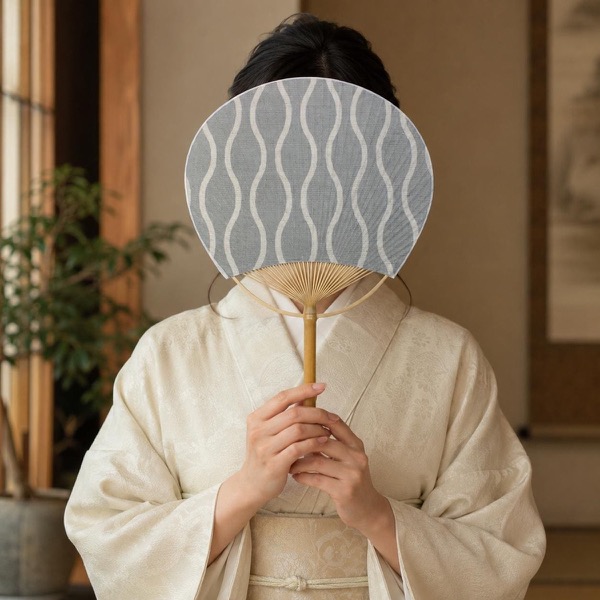
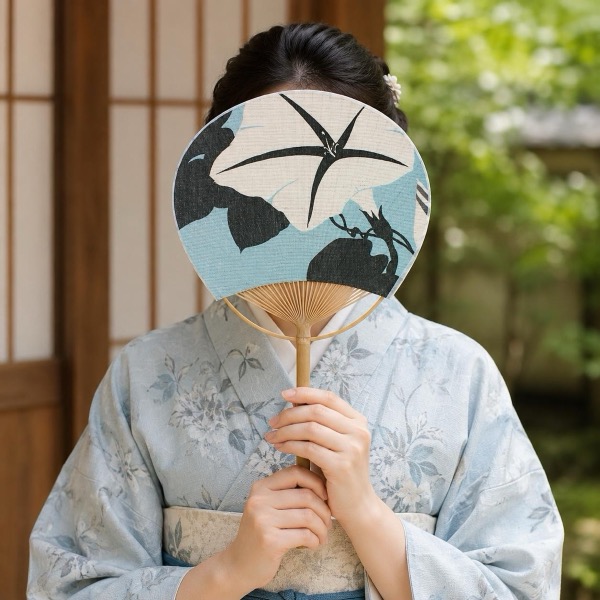
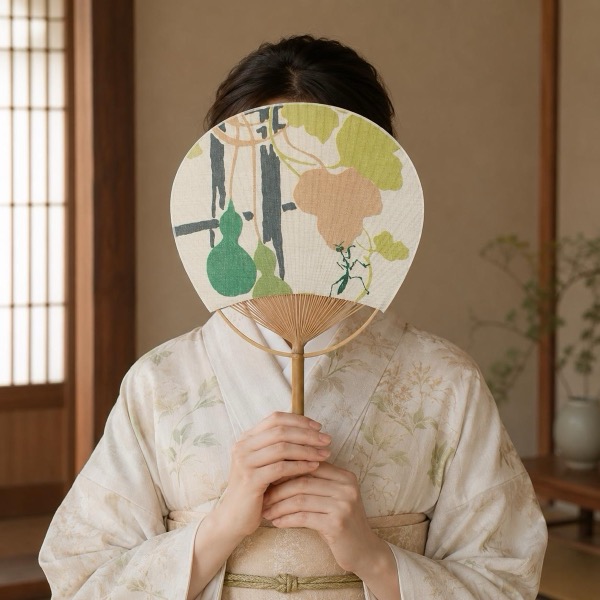
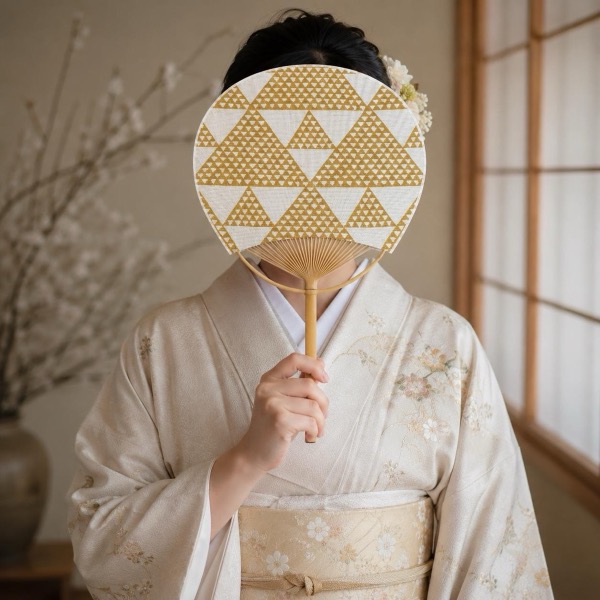
An uchiwa is a flat, fixed fan; a sensu is a folding fan, and that single structural fact drives every other difference. The uchiwa keeps one rigid bamboo frame stretched with cloth or washi paper, so it cannot collapse and always shows its full face. A sensu is built from 10 to 30 thin split-bamboo ribs that pivot on one rivet, opening into a smooth arc and folding down to roughly the length of a pen. Uchiwa grew out of festival and household life and are the fan you see waved at summer events; sensu were developed in Japan around the 9th century and became the portable, more formal fan carried in a sleeve or bag. Both create a breeze, but they were designed for different moments. Knowing which moment you are buying for is the fastest way to pick the right one.
Which Fan Gives a Stronger Breeze?
For raw cooling power, the uchiwa wins. Its wide, fixed surface, usually around 35 cm tall, pushes a broad, soft wave of air with every stroke, which is why it dominates summer festivals, hanabi fireworks nights, and crowded food-stall streets where you want maximum breeze for minimum effort. A sensu trades surface area for portability: opened it spans about 38 cm, but it folds to roughly 22 cm, so its breeze is narrower and more directed. The folding ribs also let you control the spread, fanning gently indoors or fully open outdoors. If your main goal is to beat outdoor heat, choose an uchiwa; if you want effective cooling you can fold into a pocket, choose a sensu. As a rough rule, reach for an uchiwa when you are standing still in the heat and a sensu when you are on the move.
Which Should You Buy for Everyday Use?
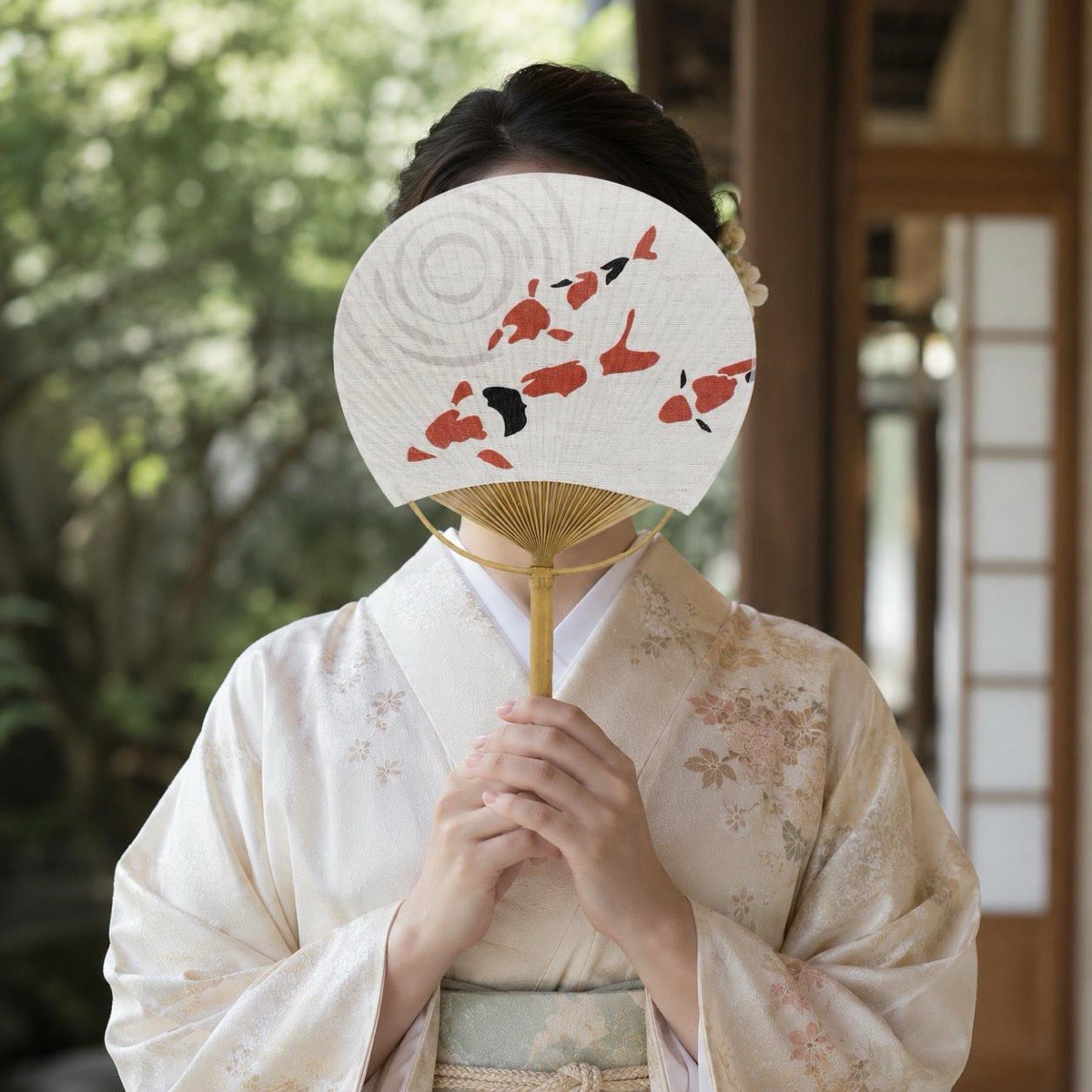
For daily carry, a folding sensu is the practical pick because it disappears into a bag and reopens in a second. NeoiAtelier weaves its fans from linen rather than thin paper, so they hold up to repeated use; a good starting point is the Ojiya Chijimi linen sensu. If you want the broad festival breeze, the linen uchiwa with a koi motif gives a wider sweep and doubles as wall decor on a small stand when you are not using it. Owning one of each covers both outdoor heat and quick indoor relief.
What Makes a Quality Japanese Fan?
Quality lives in the frame, the covering, and where it was made. The benchmark folding fans are Kyo-sensu, made in Kyoto for more than a thousand years from split bamboo and a hand-applied leaf of washi or cloth; for flat fans, Marugame in Kagawa produces roughly 90% of Japan's uchiwa and engineers them to survive a real summer. Cheap fans cut corners with thin paper and glued joints that loosen within a season. NeoiAtelier covers its bamboo frames in Ojiya Chijimi, a crinkled linen from Niigata designated an Important Intangible Cultural Property in 1955, so each fan carries genuine craft rather than souvenir-grade materials. When you compare fans, check the rib count, the tension of the covering, and whether the maker names the cloth and region.
Is a Japanese Fan a Good Gift?
Yes, a sensu is one of the safest Japanese gifts you can give. It needs no sizing, suits any recipient, and its spreading shape has long symbolised a widening, prosperous future, which is why sensu are presented at weddings and ceremonies in Japan. A linen fan also lasts far longer than a paper souvenir, so it reads as a keepsake rather than a throwaway. Browse the full range in our Japanese fan collection, or read the story of the cloth in our guide to Ojiya Chijimi linen before you choose.
How Much Should You Spend on a Japanese Fan?
Everyday paper-and-bamboo fans sell for about $5 to $20 and are fine for a single festival. Hand-finished linen and silk fans on solid bamboo frames cost more because the materials and labour are real; NeoiAtelier's made-in-Japan linen fans typically fall in the $40 to $90 range, the sweet spot for a gift that still feels special. For a curated edit of pieces that work as both presents and keepsakes, see our Japanese gifts for her selection. Every NeoiAtelier piece is made in Japan and ships from Osaka.
How Do You Care for a Japanese Fan?
Treat a fan like the handcraft it is. Open a sensu gently from the guard stick rather than snapping it, store it folded and flat, and keep both fan types out of direct sun and damp to protect the linen and bamboo. Wiped lightly and stored well, a quality fan serves many summers. Our curation team in Osaka selects each fan for balance, finish, and a clean fold, so it cools as well as it looks. Ready to pick yours? Start with our linen fan collection and choose the shape that fits your summer.