How to Choose a Kutani Koro Incense Burner
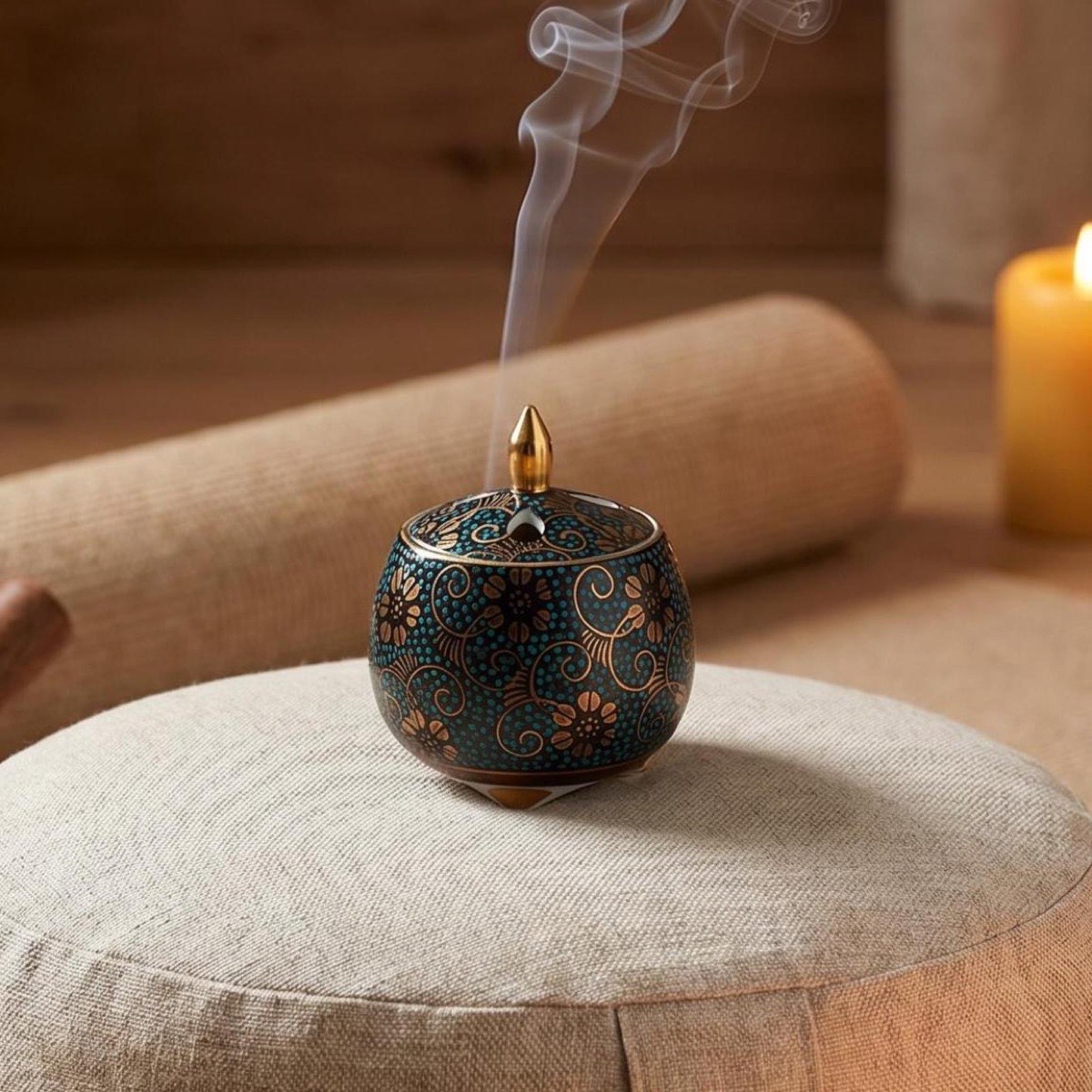
Choose a Kutani koro incense burner by first deciding where it will live, then matching the size, shape, painting style, and incense format to that room. A compact koro suits a desk or shelf; a bolder hand-painted piece works better for an entryway, tea corner, or gift centerpiece.
What Is a Kutani Koro Incense Burner?
A Kutani koro is a lidded Japanese incense burner made in the Kutani ware tradition. The word koro refers to the vessel: a small censer that holds incense over ash, sand, or a heat-safe dish while the lid softens and directs the smoke. Kutani ware comes from Ishikawa Prefecture and is known for overglaze painting, rich color, and motifs such as flowers, birds, landscapes, and geometric patterns. KOGEI JAPAN traces Kutani ware to 1655 and describes its signature five-color palette, Kutani gosai, as red, yellow, green, purple, and Prussian blue. In a home, a koro is both useful tool and decorative porcelain object, so the right choice depends as much on placement and visual weight as on burn method.
What Size Koro Should You Choose?
Choose the smallest koro for a desk, bedside table, or narrow shelf, and choose a larger piece when the burner needs to anchor a console, entry table, or tea corner. Current NeoiAtelier Kutani koro listings range from mini and small pieces to larger lidded burners, with prices in the local catalog running from $118 to $548 before any site discount. Size affects more than appearance: a small burner is easy to move and store, while a larger bowl gives more room for ash and short sticks. If you burn incense often, leave enough interior space to level the ash bed and remove stubs cleanly. If you mainly display the koro, choose the size that visually balances the furniture around it.
Which Shape Works Best for Sticks, Cones, or Display?
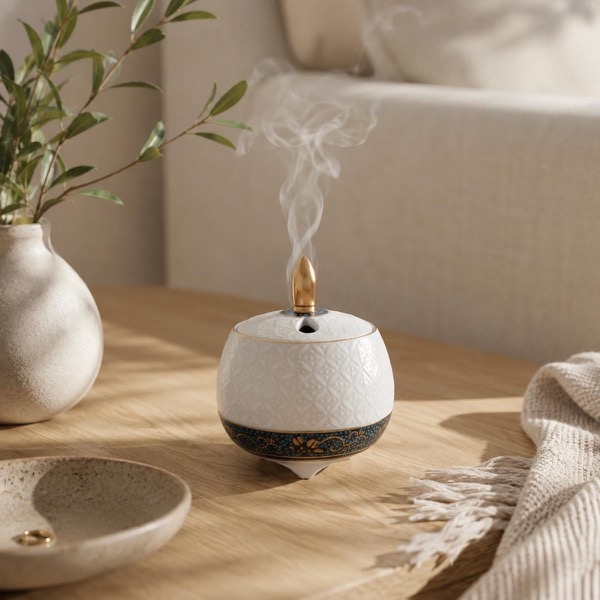
A rounded lidded koro is the most flexible shape because it can hold cone incense, short stick incense, or an ash bed for trail-style burning. Choose a deeper bowl if you want to push short sticks into ash; choose a wider, lower body if you prefer cones on a small heat-safe dish. A pierced lid matters because smoke needs room to escape rather than pooling heavily inside. If the piece will mostly be displayed, look at the silhouette from across the room: three-footed shapes feel formal and classic, while smooth low forms read quieter and more modern. Always burn on a stable, heat-resistant surface, and let the burner cool completely before moving it.
How Should You Match the Motif to the Room?
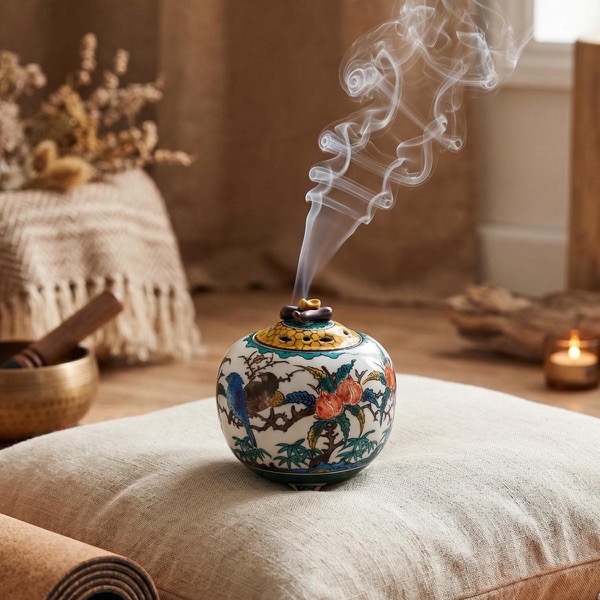
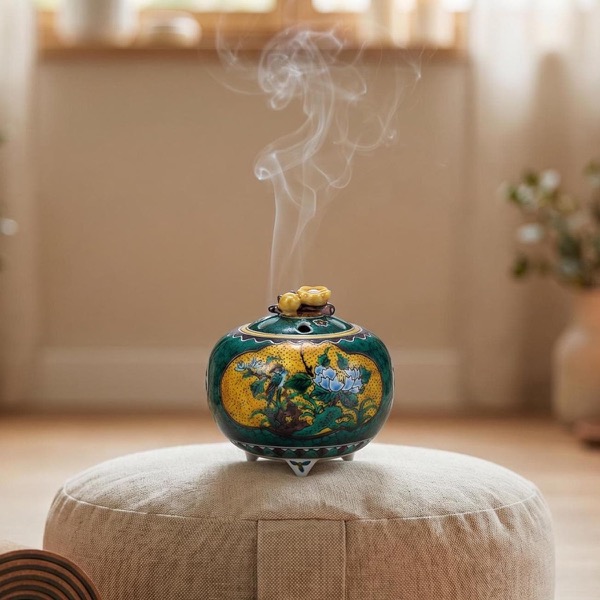
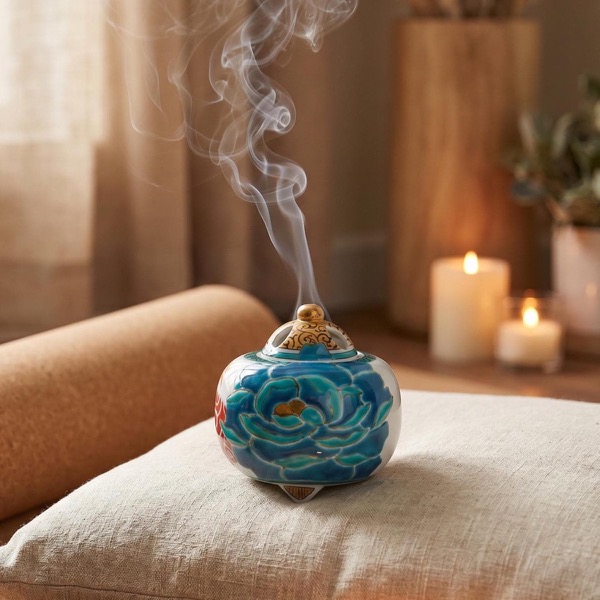
Match a strong motif to a quiet room and a quieter motif to a visually busy one. Ko-Kutani flower-and-bird designs bring saturated greens, yellows, and reds, so they work well on plain wood, neutral stone, or a simple shelf. Blue landscapes and silver-toned pieces suit minimal rooms because the color reads calm from a distance. Floral pieces such as peony, clematis, sakura, or camellia soften a bedroom, tea corner, or gift setting. Geometric shippo and dot patterns are easier to place in modern interiors because they do not demand a seasonal theme. The safest rule is contrast: let the koro provide the detail when the room is restrained, and let the room breathe when the painting is dense.
Which Koro Fits a Desk, Tea Corner, or Entryway?
For a desk or small shelf, start with a compact piece such as the mini blue dot clematis Kutani koro, which has enough presence without taking over the surface. For a tea corner or quiet reading area, a landscape piece such as the blue landscape Kutani koro feels calm and architectural. For an entryway, where guests see the piece from farther away, a bolder painting such as the Ko-Kutani flower bird koro gives stronger color and a clearer craft signal.
How Much Should You Spend on a First Kutani Koro?
Spend according to use, not only rarity. If this is your first burner and you plan to burn incense often, choose a practical shape in the lower or middle part of the collection so you will actually use it. If the koro is a wedding, housewarming, retirement, or collector gift, a more detailed hand-painted motif can justify the higher price because it functions as porcelain art even when unused. Current local product data shows Kutani koro examples from $118 to $548, while the separate incense-stick sets start lower. The useful question is whether the piece has the right room, recipient, and ritual behind it. A koro bought only for price is easy to ignore; one chosen for a specific corner tends to stay in use.
What Should You Check Before Buying?
Check five things before buying: origin, material, burn method, cleaning access, and route to checkout. For origin, look for made-in-Japan Kutani ware rather than a generic incense holder. For material, porcelain should be paired with a heat-safe ash bed or dish. For cleaning, the opening should be wide enough to empty ash and wipe the interior. For visual fit, compare the motif with the room, not just the product photo. Every NeoiAtelier piece is made in Japan and ships from Osaka. You can compare the full Kutani incense burner collection, then read our Kutani ware guide for the craft background.
Where Should You Start?
Start with the room. If you want a quiet daily burner, choose a compact blue, white, or silver-toned koro for a desk or shelf. If you want a gift, choose a stronger floral or Ko-Kutani motif that feels complete in a box and impressive when displayed. If you are still comparing categories, the Japanese gifts under $150 guide is useful for budget framing, while the full incense collection gives the clearest view of what a Kutani koro can do: hold incense cleanly, soften smoke, and give one corner of the room a durable Japanese craft object.