How to Use a Yunomi: Brewing Japanese Green Tea
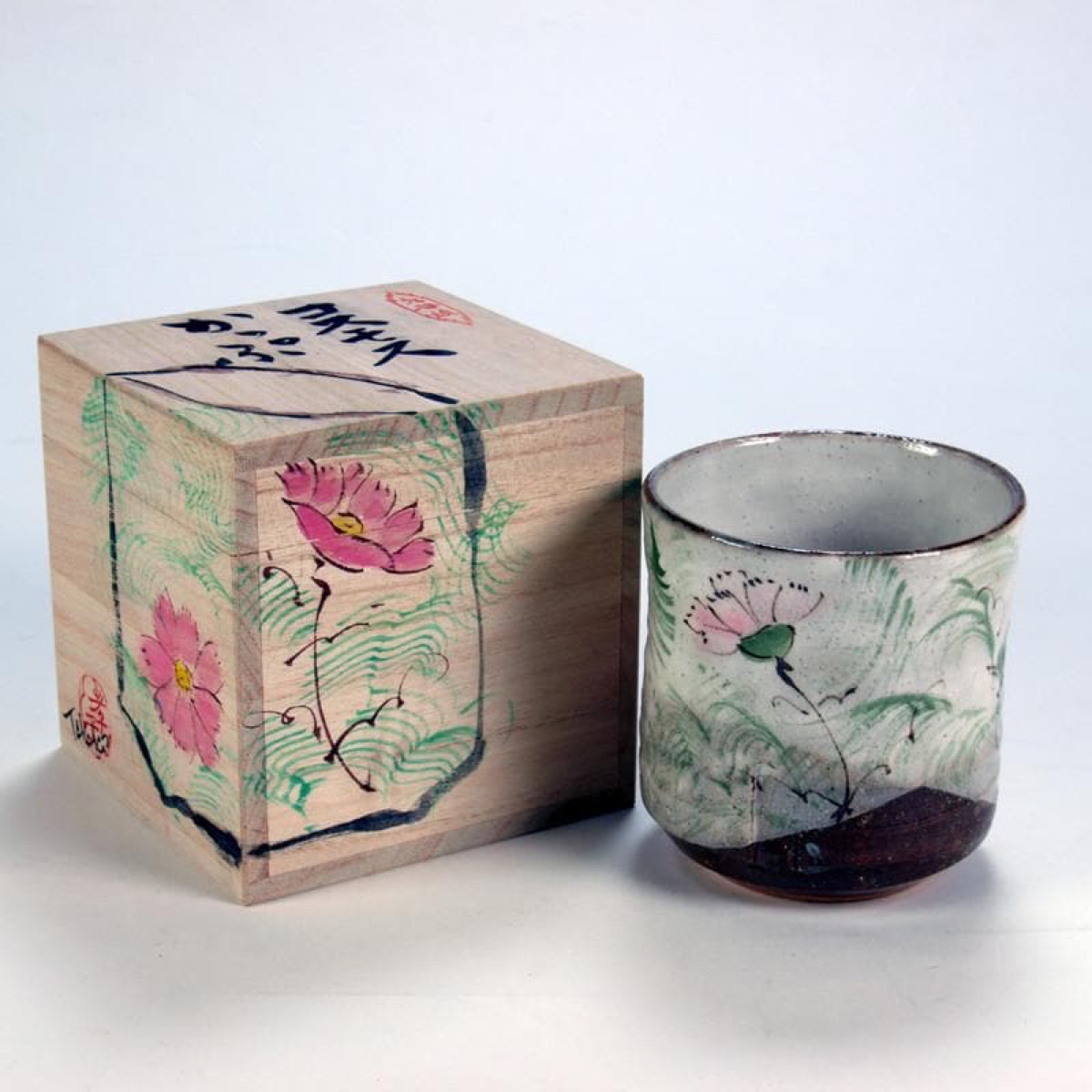
To use a yunomi, warm the handleless cup with hot water, brew Japanese green tea such as sencha at around 70 C (160 F), then pour the cup two-thirds full and cradle it in both hands. Drink while hot, and wash the porcelain gently by hand afterward.
What Is a Yunomi Used For?
A yunomi is the everyday Japanese tea cup, used for casual, daily green tea at home, at the table, or at a desk. It is tall, handleless, and held in both hands, unlike the wide chawan reserved for whisking matcha in the formal tea ceremony. Reach for a yunomi when you want a relaxed cup of sencha, genmaicha, or hojicha rather than a ritual. Its height keeps tea warm a little longer, and the bare porcelain lets you feel the heat through your palms, which is part of the pleasure. In short, a yunomi is built for ordinary tea, enjoyed often.
How Do You Prepare a Yunomi Before Pouring Tea?
Warm the cup first. Rinse the empty yunomi with hot water for a few seconds, then tip it out just before you pour the tea. A pre-warmed cup keeps green tea at the right drinking temperature longer and stops a cold cup from shocking delicate sencha. Many tea drinkers also use the cup to cool their water: pouring just-boiled water into the yunomi first drops it by roughly 10 C as it passes from kettle to cup to teapot, which is close to the temperature sencha needs. Warming the cup is a small step, but it is the difference between a flat cup and a fragrant one.
What Tea Do You Drink from a Yunomi, and How Do You Brew It?
Brew Japanese green tea, and brew it cooler than you might expect. Sencha is the classic match: use about 4-5 grams of leaf per 200 ml of water, heat the water to roughly 70 C (160 F) - never boiling, which scorches the leaf and turns the cup bitter - and steep for about one minute. Deep-steamed fukamushi sencha needs only 45 seconds; a second infusion wants slightly hotter water and just 20-30 seconds. Hojicha and genmaicha are more forgiving and take near-boiling water. Pour the cup about two-thirds full so there is room to hold it. To match a cup to your tea, browse our Kutani tea cup collection.
How Do You Hold and Drink from a Handleless Cup?
A yunomi has no handle, so hold it with both hands: cradle the body in the fingers of one hand and steady the rim with the other. This two-handed grip is practical - it keeps a hot cup secure - and it is also good manners, signaling that you are unhurried and present. Drink in small, quiet sips rather than gulps. If the cup is too hot to hold comfortably, that is usually a sign the water was too hot for green tea in the first place. Set the cup down gently between sips; the bare porcelain and any hand-painted enamel are meant to be handled with a little care.
Can You Use a Yunomi for Coffee or Other Drinks?
Yes - and more people are. As Japanese teacups rise in popularity worldwide, many owners now use a yunomi for coffee, hojicha lattes, cocoa, or a small serving of soup, drawn to the cup's balance of simplicity and warmth in the hand. There are no rules against it; a yunomi is an everyday vessel by definition. The only caution is heat: very hot coffee in a thin handleless cup can be uncomfortable to hold, so warm the cup first and fill it two-thirds full. If you are new to the form and want the background before you experiment, our guide to what a yunomi is explains how it differs from a mug or a chawan.
How Do You Care for a Kutani Yunomi?
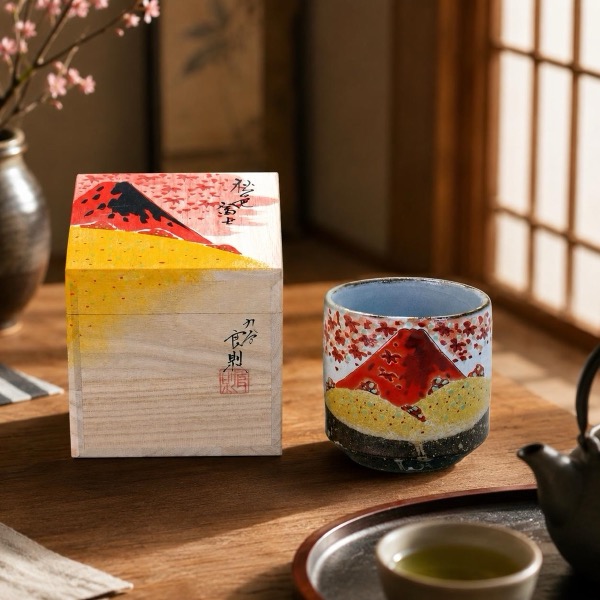
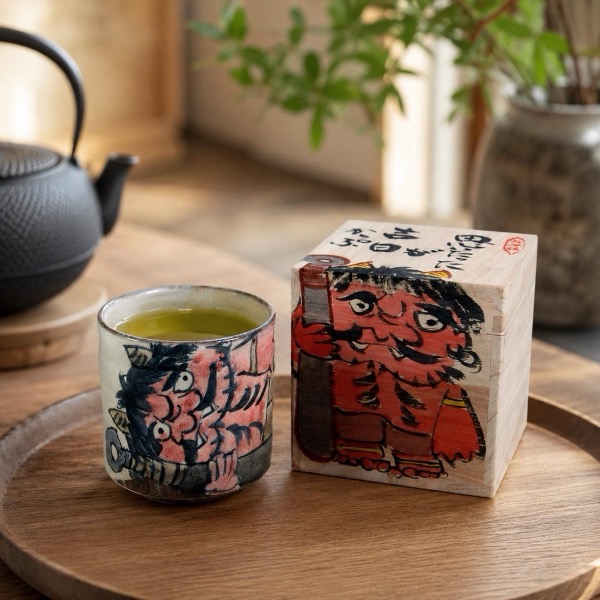
Treat a Kutani yunomi as you would a small painting. Wash it by hand in warm water with a soft cloth, skip the dishwasher and abrasive scrubbers, and avoid sudden temperature shocks like boiling water in a cold cup. This matters because Kutani ware, the painted porcelain of Ishikawa Prefecture made since 1655, carries its color in overglaze enamels - the five classic gosai colors of green, blue, yellow, purple, and red - laid on top of the glaze, where harsh cleaning can wear them down over time. Dry the cup before storing it. Cared for gently, a Kutani yunomi lasts for decades. For the full story of the ware, see our guide to Kutani ware.
How Do You Choose the Right Yunomi?
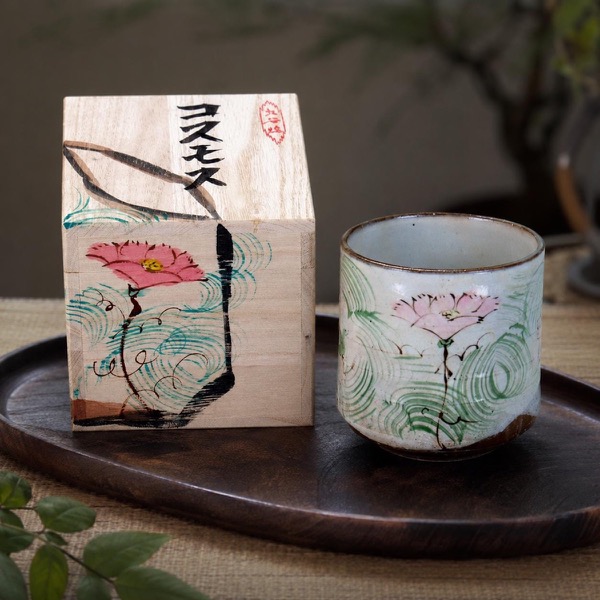
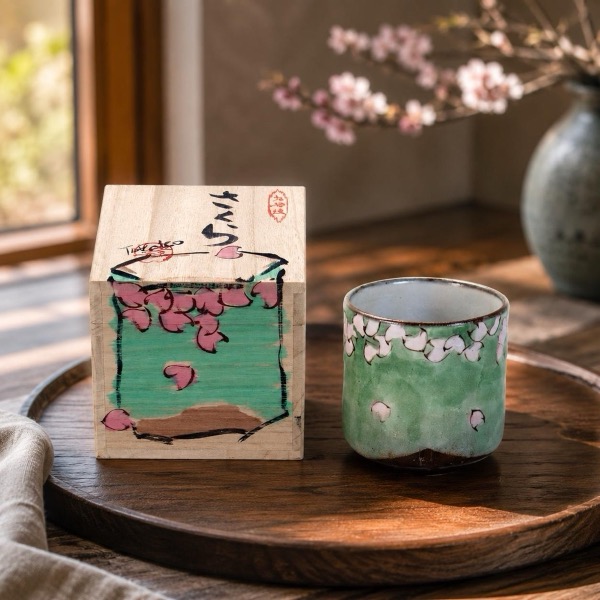
Match the cup to your hand and your tea. Most yunomi hold between nine and thirteen ounces - enough for a generous serving of sencha - and a good one feels balanced, neither too heavy nor too thin at the rim, with a flat, stable foot. Because each Kutani cup is hand-painted, small variations are normal and prized, the mark of a hand rather than a machine. Choose a motif that means something: sakura for spring, an owl (fukuro) for wisdom and good fortune, cosmos for autumn. A piece like our hand-painted sakura yunomi (13 oz) shows the standard: clean brushwork, a comfortable size, and a stable base.
Is a Yunomi a Good Gift?
Yes - a yunomi is among the most giftable pieces of Japanese craft: useful every day, collectible, and personal, with no sizing to worry about. Each Kutani cup arrives in a wooden box, and the painted motifs carry quiet meaning, so you can match the design to the person - a thoughtful housewarming, Father's Day, or tea-lover's present. Every NeoiAtelier piece is made in Japan and ships from Osaka, where our curation team selects each cup from Kutani studios in Ishikawa. For ideas, see our Japanese gifts for her guide or browse the full Kutani tea cup collection to find the cup that turns a daily tea break into a small ritual.