Japanese Gifts for Teachers: 6 Thoughtful Ideas
Japanese gifts for teachers work best when they are useful, personal without being overly intimate, and easy to enjoy outside a busy school day. A handmade tea cup, small fan, linen piece, or carefully chosen home accent can say thank you with quiet character. Start with the teacher's routine, then choose one made-in-Japan object with a clear place in it.
What Makes a Teacher Gift Feel Thoughtful?
A thoughtful teacher gift begins with restraint. Choose something that does not ask the recipient to display it at school, collect a set, or change an established routine. A single useful object usually travels better than a large themed bundle: it can become part of a tea break, a warm-weather commute, a reading corner, or a small home surface. The most helpful clues are simple ones. Do they enjoy tea or coffee? Have they mentioned a calm home ritual, a love of craft, or a need for a light everyday accessory? If you do not know their tastes well, choose a versatile piece with a clear practical role. A short handwritten note can carry the personal message while the gift itself stays easy to receive and use.
When Is a Japanese Tea Cup a Good Choice?
A Japanese tea cup is a good choice for a teacher who already enjoys a hot drink at home or during a quiet break. A yunomi is handle-free, designed for everyday tea, and small enough to keep on a tray, shelf, or kitchen counter without creating clutter. The gift does not need to imply a formal tea practice; its value is in making an ordinary pause feel a little more considered. Pick a painted cup only when you can imagine the recipient enjoying its motif repeatedly, not simply because it looks impressive in a photograph. If you are unsure whether a yunomi suits their routine, begin with the form itself and let practicality guide the pattern.
How Do You Choose a Gift for a Tea or Coffee Break?
Choose for the break the person actually takes. Someone who pauses briefly between tasks may appreciate a cup that feels special without requiring a full tea setup. Someone who enjoys longer weekend tea may value a more expressive painted surface that is pleasant to leave visible. Avoid assuming that every teacher drinks matcha, uses incense, or wants a formal Japanese tea set. One well-chosen cup is enough. A gift also feels easier to use when it comes with a little context, so a note such as “for a quiet tea break” can be more meaningful than a long explanation of the craft. The goal is not to prescribe a ritual, but to offer a useful object that can make an existing one more enjoyable.
Can a Japanese Hand Fan Be a Useful Thank-You Gift?
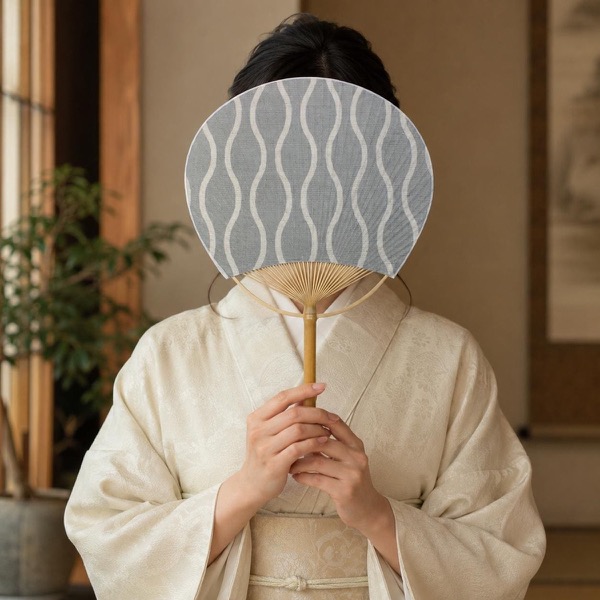
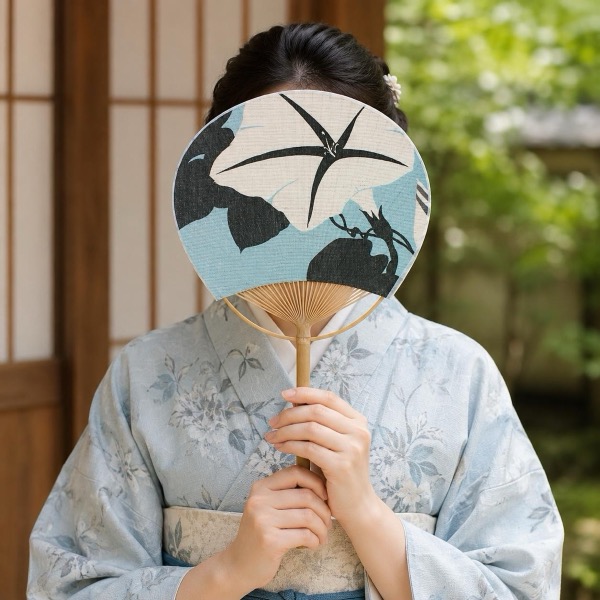
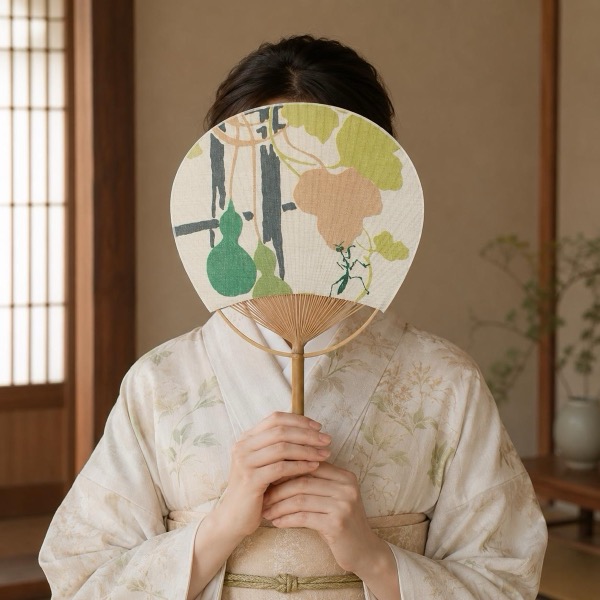
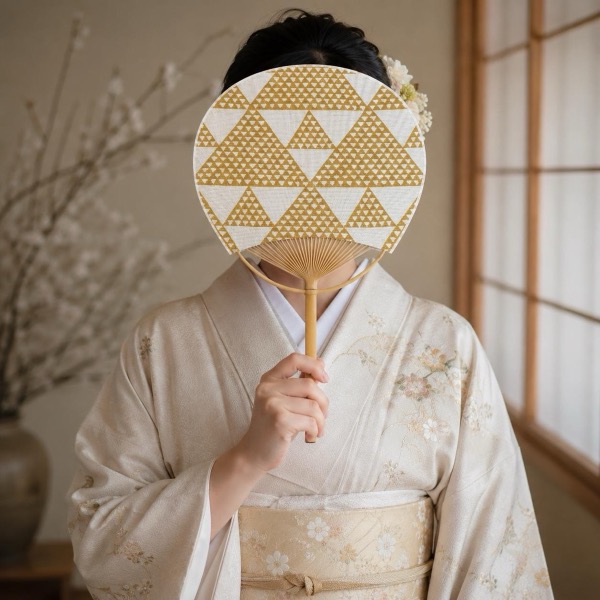
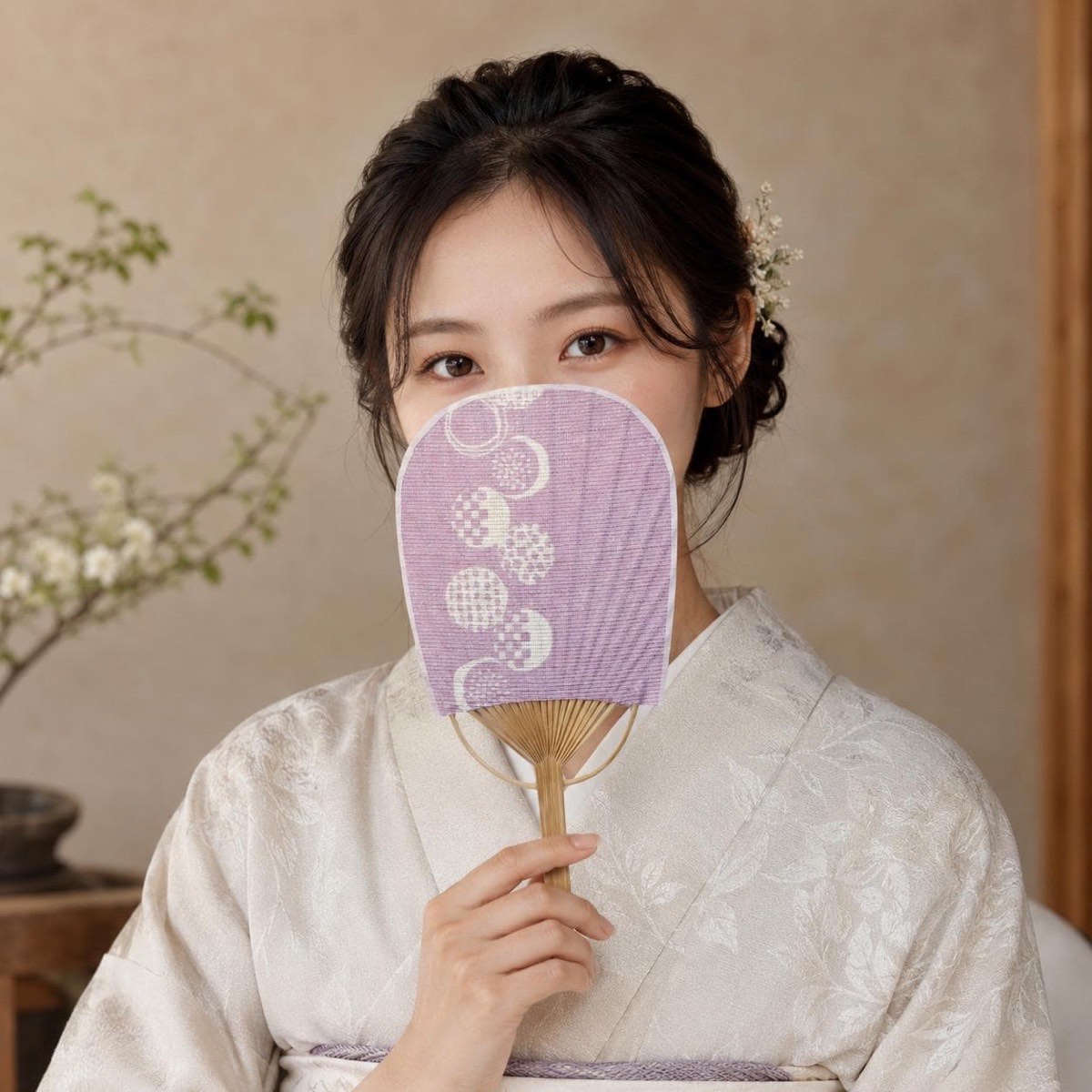
Yes, a Japanese hand fan can be a useful thank-you gift when the recipient values a light, portable seasonal object. A folding sensu can be stored compactly between uses, while an uchiwa has a simple paddle form that can be enjoyed at home or displayed as a small craft accent. Choose a fan for someone whose style you know reasonably well, since colour and motif are part of its appeal. It is better as a personal accessory or home object than as a classroom expectation; the recipient can decide where it belongs. A fan also keeps the gesture modest: it is a single practical piece rather than a gift that requires a particular hobby, storage solution, or ongoing maintenance.
Should You Choose a Textile or an Incense Piece?
Choose a textile or incense piece only when it fits the recipient's home and preferences. A small linen accent can suit someone who enjoys texture, soft light, or a calm threshold at home. A Kutani incense burner can be meaningful for someone who already uses incense and has a stable, heat-resistant place for it; it should never be chosen on the assumption that they can burn incense at work. If you are uncertain about scent, allergies, household rules, or their available space, a tea cup or fan is often the simpler option. The best teacher gift respects the recipient's routine rather than asking them to adopt yours. Let the material, use, and scale make the decision clearer.
How Can You Keep the Gift Personal but Appropriate?
Keep the object modest and make the note personal. Thank a teacher for a specific moment, class, encouragement, or kindness instead of trying to make the gift itself carry every sentiment. If the school has gift guidelines, follow them before ordering. When a present is being sent directly, check the delivery address carefully and keep timing realistic. NeoiAtelier pieces are made in Japan and ship from Osaka, so a gift intended for a particular date should be ordered with the current delivery estimate in mind. A handwritten message and a piece that has an honest everyday use will generally feel more sincere than an elaborate item chosen without reference to the recipient.
Where Should You Begin?
Begin with the recipient's everyday routine, then choose one made-in-Japan piece that fits it naturally. Browse the Japanese tea cups collection for a practical tea-break gift, the Japanese handcrafts collection for bamboo and linen pieces, or the Japanese gift guide for a broader starting point. For a workplace-focused comparison, read our Japanese gifts for coworkers guide. Choose one object with a clear use, add a short note, and let the thank-you stay simple.