Japanese Wall Art Ideas for Calm Small Spaces
Japanese wall art works especially well in a small space when it gives one wall a clear purpose rather than filling every empty surface. Choose a textile, a hand fan, or a single crafted piece, leave room around it, and let its texture or motif do the visual work.
What Counts as Japanese Wall Art?
Japanese wall art does not have to mean a framed print. A textile hanging, a carefully placed uchiwa fan, or a noren at an opening can bring pattern, fiber, and a sense of craft to a room while remaining useful or easy to move. The common thread is intention: one object is given enough clear wall around it to be seen. This approach suits a compact entry, a desk wall, or the quiet end of a living room because it adds a focal point without claiming floor space. Start by noticing the room's existing materials. A wooden shelf, pale wall, or simple chair can support a textile or fan without requiring a full themed scheme. The result should feel like part of the home you already use, not a backdrop assembled all at once.
Why Is One Focal Point Better Than a Full Gallery Wall?
One focal point is often easier to live with in a small room because it gives the eye a place to rest. Begin with the wall that is visible when you enter or sit down, then choose the area that has the fewest competing objects. A single long textile can add vertical movement above a narrow console, while a smaller crafted piece can make a reading chair or desk feel more settled. Leave the surrounding wall open so the motif, weave, or silhouette does not have to compete with shelves, signs, and loose cords. This is a practical editing choice, not a fixed design rule. If the rest of the room is already patterned, select a quieter piece; if the room is plain, one botanical or geometric detail can make the wall feel deliberate.
How Can a Textile Hanging Add Warmth?
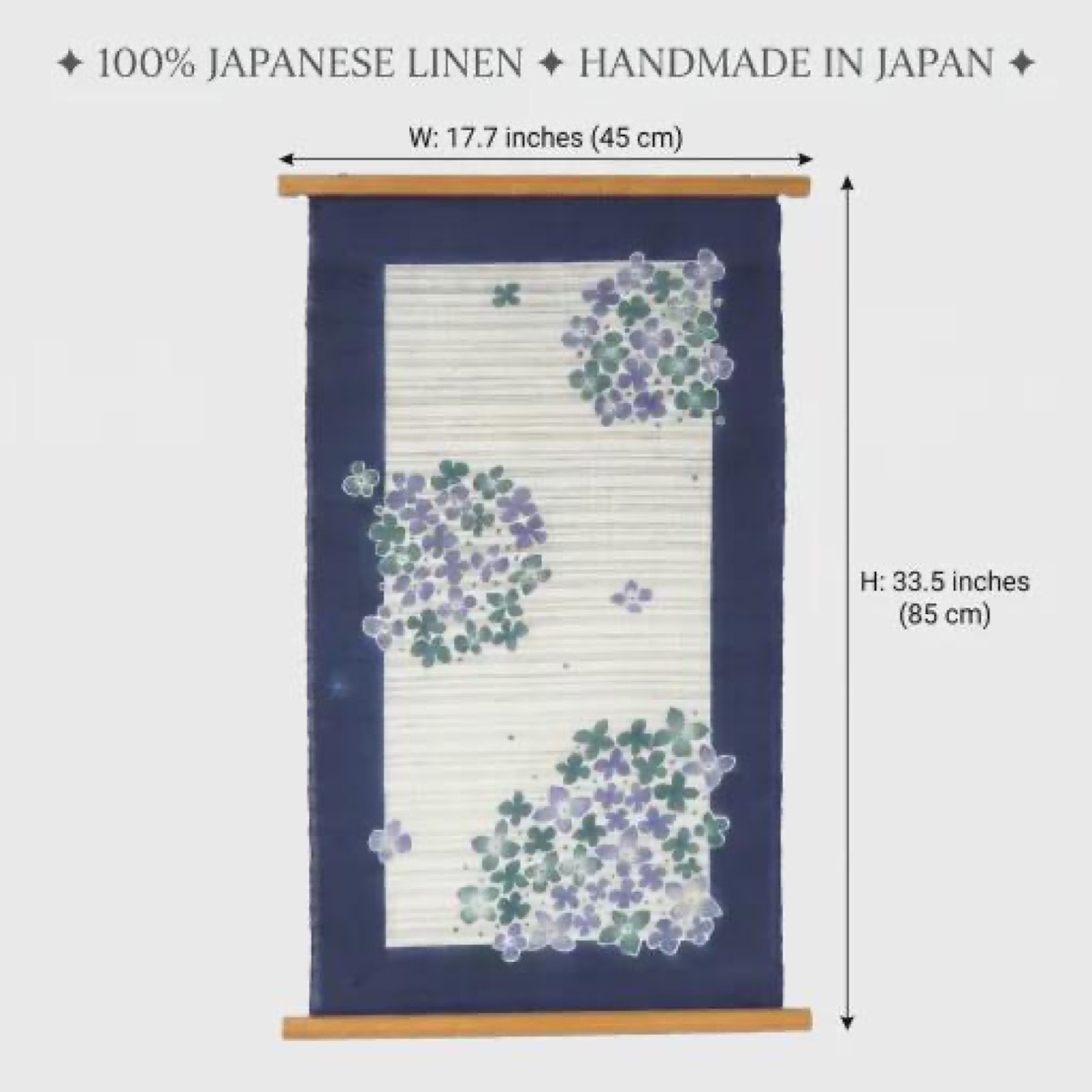
A textile hanging can soften the hard surfaces that make a compact room feel unfinished. Its material and pattern are visible from across the room, yet it does not take up a table, chair, or shelf. Consider the scale of the wall before choosing: a narrow vertical space can suit a tall hanging, while a wider clear wall may benefit from a horizontal piece or a pair of objects with breathing room between them. Keep the nearby furniture simple so the textile remains the main gesture. A hand-painted linen piece can offer color without the visual weight of a heavy frame. For examples of pieces made for this role, explore the <a href="/products/hand-painted-hydrangea-linen-tapestry-japanese-wall-art-17-7-x-33-5-in/">hand-painted linen wall hanging</a> and the <a href="/collections/noren-wall-hangings/">noren and wall hangings collection</a>, then choose a spot away from frequent splashes or rubbing.
Can a Japanese Hand Fan Be Displayed as Wall Art?
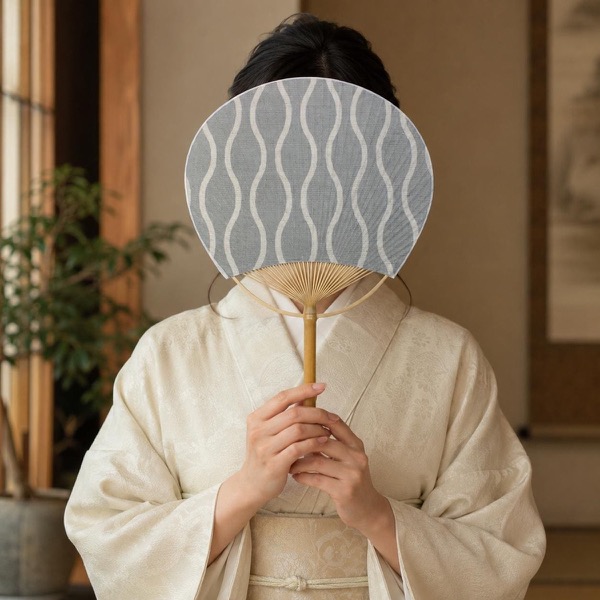
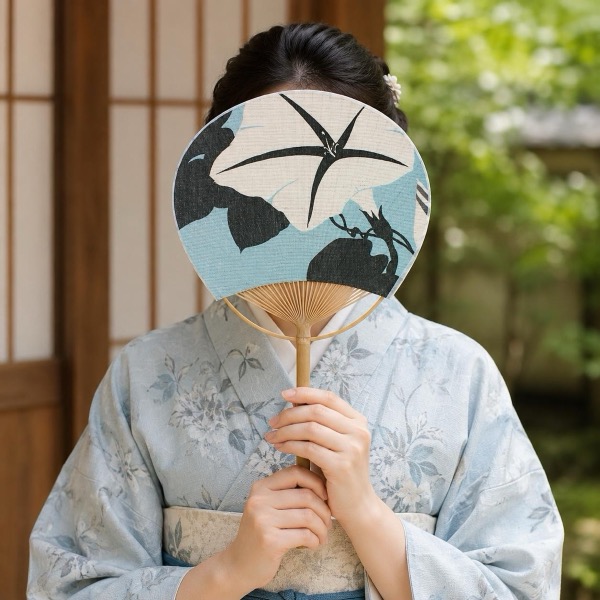
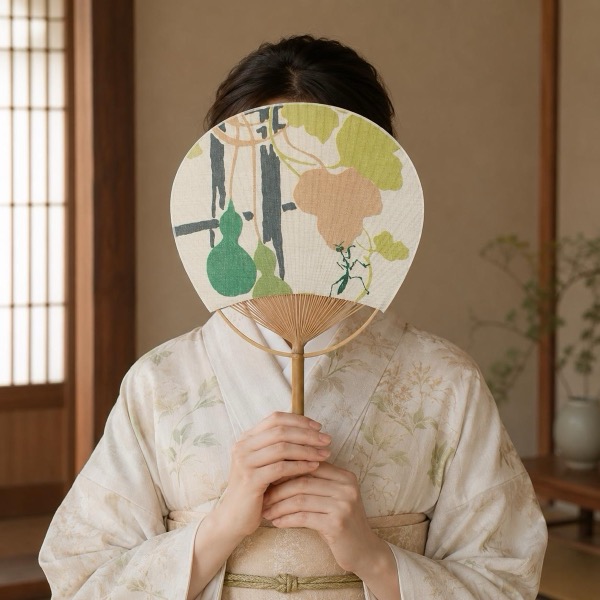
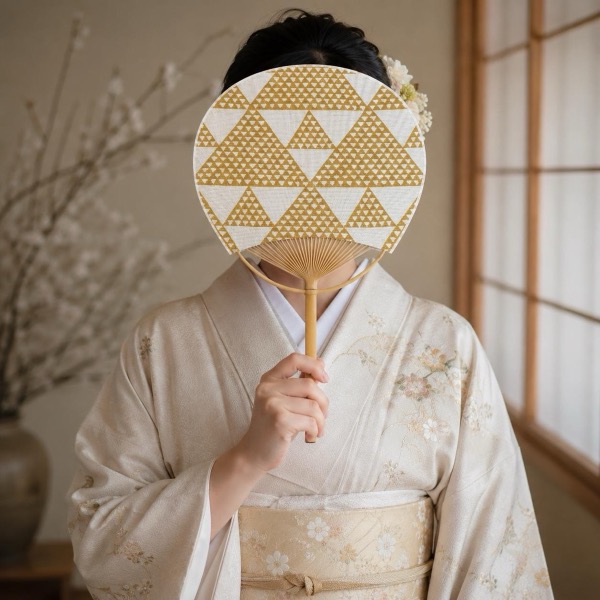
Yes. A Japanese hand fan can be displayed as wall art when it is treated as a single light accent rather than part of a crowded arrangement. An uchiwa is a rigid paddle fan, while a sensu folds, so the two forms bring different outlines to a wall or shelf. Let the fan's bamboo frame and textile or paper leaf be visible, and keep it away from direct heat, steam, and a busy passageway where it might be knocked. In a small room, one fan above a desk, beside a mirror, or near a reading chair can add a handmade note without needing more furniture. The <a href="/collections/japanese-handcrafts/">Japanese handcrafts collection</a> shows the range of fan forms, and the <a href="/journal/how-to-display-japanese-fans-as-wall-art/">fan display guide</a> explains a simple, considered way to place one.
When Does a Noren Work Better Than a Picture?
A noren can be a better choice than a picture when the wall you want to soften is also a doorway, pantry opening, or transition between two areas. Its split lets people pass through while the textile marks the threshold and gives the room a layer of pattern. That makes it useful in a studio or open-plan home where a fixed door would feel heavy, but it can also work simply as a visual pause between the kitchen and living area. Measure the opening first and consider how the panel will move when someone walks through. The <a href="/journal/noren-size-guide/">noren size guide</a> can help with the proportions, while the <a href="/journal/how-to-hang-a-noren-without-drilling/">no-drill hanging guide</a> covers a renter-friendly setup.
How Do You Keep the Arrangement From Feeling Themed?
Keep the arrangement personal by choosing a piece for its material, motif, or daily usefulness rather than trying to recreate a scene. A fan can be both a practical object and a wall accent; a noren can divide a view while adding texture; a textile hanging can introduce a color already present in a cup, cushion, or book cover. Repeat one element once, then stop. For example, a blue textile can sit near a neutral chair, or a botanical motif can be paired with one small plant, without adding more patterned decor around it. This kind of restraint lets the object remain legible as a craft piece. It also makes the room easier to refresh later: moving one hanging or fan changes the view without requiring a complete redecoration.
Which Wall Should You Start With?
Start with a wall that you see often but do not need for storage: the area opposite a chair, the end of a hallway, a clear space near an entry, or the portion above a low desk. Check the sightline from the doorway and from the place where you usually sit. If the chosen wall already holds a mirror, shelf, or lamp, use a smaller object and leave a visible gap between elements. If it is completely blank, a vertically oriented textile can create height without filling the room. Avoid placing delicate pieces where bags, chairs, or doors will strike them. The best location is not necessarily the largest wall; it is the spot where one object can be seen clearly while the room still has space to function.
How Do You Begin With One Crafted Piece?
Begin with one object that answers a real need in the room: a textile that softens a threshold, a fan that adds a light focal point, or a wall hanging that gives a quiet corner more presence. Every NeoiAtelier piece is made in Japan and ships from Osaka. Browse the <a href="/collections/japanese-handcrafts/">Japanese handcrafts collection</a>, the <a href="/collections/noren-wall-hangings/">noren and wall hangings collection</a>, or the <a href="/gifts/">Japanese gift collection</a>, then choose the single piece that gives your wall a reason to be noticed without asking the room to do too much.