Noren for a Kitchen Doorway: Size and Fabric Guide
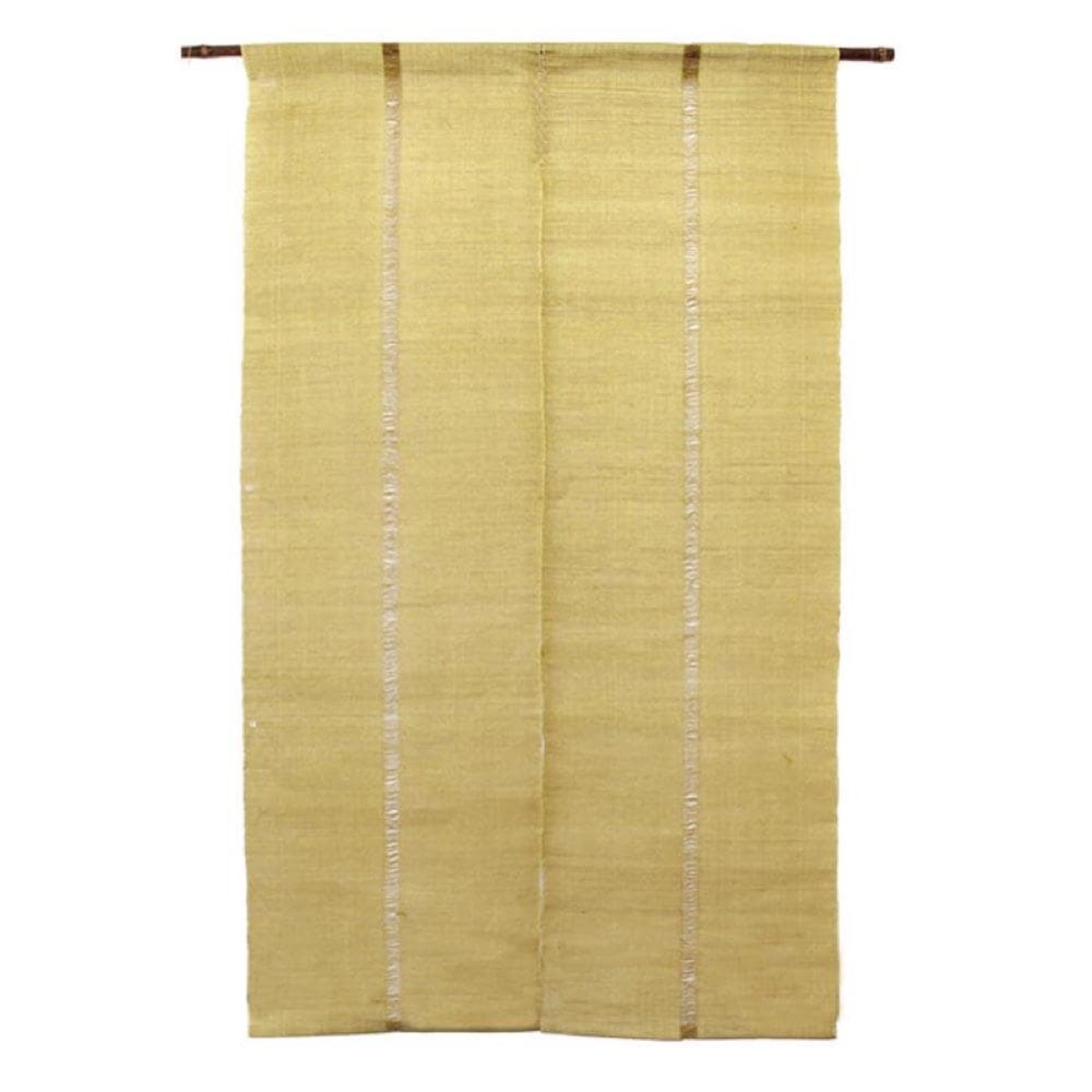
A noren can make a kitchen doorway feel more defined without turning it into a closed door. Choose one by measuring the real opening, deciding how much of the view you want to soften, and selecting a fabric and pattern that can live comfortably with the kitchen's daily activity.
Why Use a Noren at a Kitchen Doorway?
A noren is useful at a kitchen doorway when you want a light visual boundary but still need an easy route through the opening. Its split panels allow people to pass without pulling fabric to one side, while the textile can make an ordinary threshold feel more considered. That is a different job from a solid door or a full window treatment. A noren will not seal a room, block cooking sounds, or replace ventilation. It can, however, soften the sightline between a kitchen and an adjacent hall, dining area, or utility space. Start by deciding whether that softer transition is the problem you actually need the textile to solve.
How Should You Measure a Kitchen Doorway?
Measure the clear width of the opening, then measure from the planned rod position to the height where you want the hem to end. Note nearby cabinet doors, handles, switches, and any surface that could keep the fabric from hanging freely. The panel should suit the opening you have, not a standard size imagined from a product photograph. A shorter noren can leave more of the lower doorway visible, while a longer one gives a stronger visual screen. Check the stated product dimensions before ordering and leave practical clearance where the fabric meets the floor or nearby furniture. Use the noren size guide to plan the opening, then compare that plan with the dimensions in the individual listing.
Which Fabric Works Best Near a Kitchen?
The right fabric is the one that matches both the doorway's use and the care information supplied for the specific piece. A natural-fiber textile can bring visible texture and a softer surface to a room with cabinets, tile, glass, and metal, while a printed panel may become the kitchen's main point of color. Think about proximity to steam, splashes, and the busiest part of the room before placing any textile. A doorway beyond the main work zone is often easier to manage than a panel beside the cooker or sink. Do not choose by appearance alone: read the listing, follow its care guidance, and keep the fabric out of situations it was not designed to handle. For a material comparison before choosing, read linen versus cotton noren.
How Much Privacy and Light Does a Kitchen Need?
A kitchen doorway often needs less privacy than a bedroom but more visual order than a completely open passage provides. A noren can conceal a partial view into the kitchen while keeping the route legible and allowing daylight to move between the connected spaces. Test the sightline before buying: stand in the hall, dining area, or room you use most often, and notice what the panel would actually hide. Also consider how the doorway feels when someone is carrying dishes or groceries through it. The center split should support movement rather than make the route awkward. If the opening needs a locked, sound-reducing, or fully closed barrier, a textile is not the complete answer.
What Pattern Should You Choose for a Kitchen?
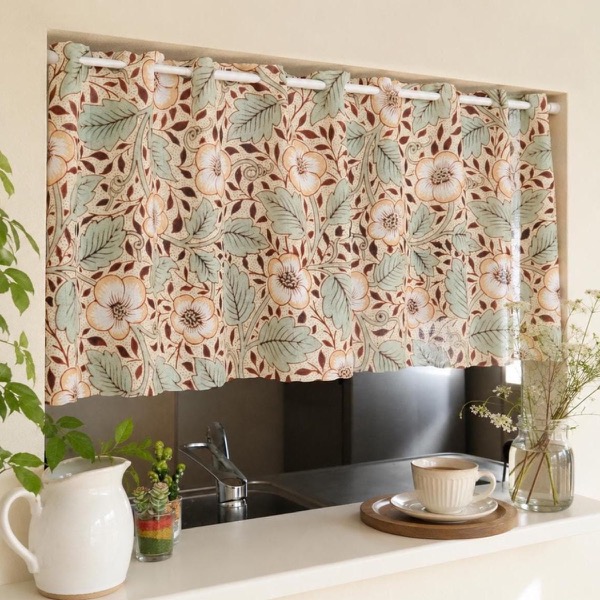
Choose a pattern by the room's existing visual activity. In a kitchen with busy tile, open shelves, or colourful dishes, a restrained textile may give the doorway a calmer role. In a plain kitchen, a more graphic or botanical panel can establish one clear focal point. Let one color or material connect the noren to something already in the room, such as wood, ceramic, a table linen, or a painted wall. It does not need to match every surface. The more useful aim is to make the doorway feel intentional without adding another competing decoration. Browse the noren and wall-hangings collection to compare patterns, sizes, and textile roles before choosing one for an active room.
How Can You Keep a Kitchen Noren Practical?
Keep the setup practical by giving the fabric space away from heat, splashes, and constant handling. Confirm that the rod is stable, that cabinet doors and drawers can open, and that the hem does not catch underfoot. A kitchen changes quickly during a meal, so a noren should make the route simpler rather than become another object to protect. Follow the care instructions for the specific textile instead of applying a generic cleaning rule. If a panel needs attention, deal with it promptly rather than allowing kitchen soil to become part of its appearance. For general handling guidance, see how to care for a linen noren and always defer to the product listing where its instructions differ.
Can a Noren Work in a Small Kitchen?
Yes. A noren can work in a small kitchen when it has a clear purpose and does not crowd the opening. It may be especially useful where a full door would take swing space or where the room needs a softer separation from a hallway, pantry, or dining corner. Keep the rest of the threshold simple so the textile remains easy to pass through and easy to see. If the kitchen is already packed with storage, appliances, and strong finishes, the best choice may be one quiet panel rather than several new decorative elements. For a broader look at pass-through placement, read how to use a noren instead of a door.
How Do You Choose a Noren You Will Use Every Day?
Choose the noren that fits the actual opening, works with the route through the kitchen, and has a fabric and pattern you will be pleased to see on an ordinary day. Measure first, check the specific listing, and let daily use decide whether a shorter or longer visual screen makes sense. Every NeoiAtelier piece is made in Japan and ships from Osaka. Explore the Japanese noren and textile collection to find a doorway textile whose scale and care needs fit your home.