Noren vs Cafe Curtains: Which Fits Your Window?
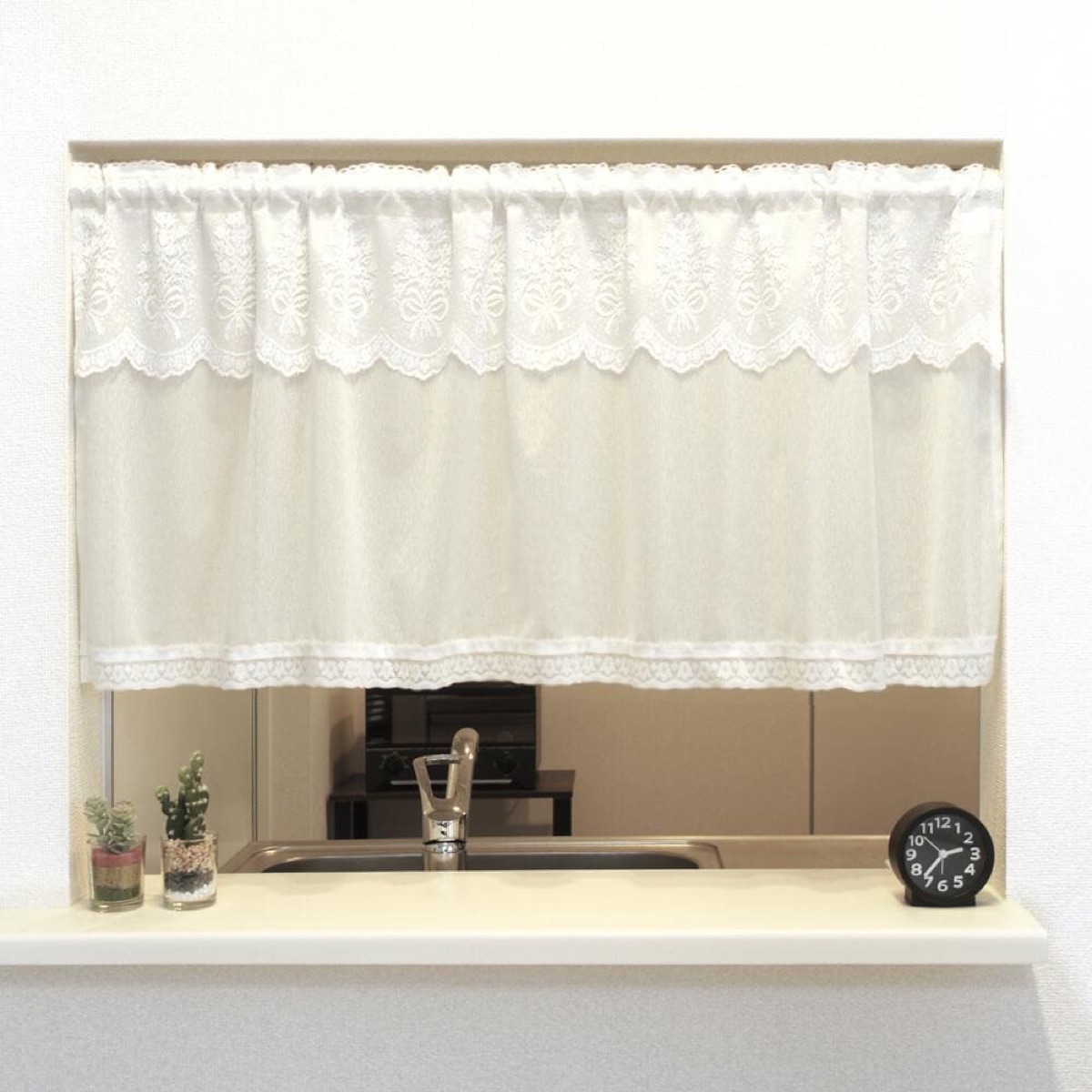
A noren works best when you want a soft divider that people can pass through, while a cafe curtain is usually better for a window that needs light and a little privacy. Choose by the opening, the movement through the room, and the amount of coverage you actually need.
What Is the Practical Difference Between a Noren and a Cafe Curtain?
The difference begins with the job each textile performs. A noren is a split panel that hangs across an opening, so it can soften the view between two areas without becoming a door that must be moved aside. A cafe curtain is a shorter window treatment, often placed across part of a window so daylight can remain part of the room. Neither is automatically the more decorative or more useful choice. A noren answers a passage question: how can this threshold feel gentler while people still move through it? A cafe curtain answers a window question: how can this opening feel less exposed without covering the whole view? Start with the physical problem, then let pattern and color follow.
When Does a Noren Make More Sense?
Choose a noren when the opening is used as a route through the home and you want a visual boundary rather than a sealed separation. It can suit a kitchen doorway, a storage opening, or the transition between two small zones that need to remain connected. The center split matters because it lets the panel respond to movement in a way a conventional closed curtain does not. This does not mean every doorway needs a noren. If the room needs sound control, temperature control, or a fully closable barrier, a textile is unlikely to solve the whole problem. For everyday placement ideas, read how to use a noren instead of a door, then browse the noren and textile collection to compare room dividers, wall hangings, and window textiles.
When Is a Cafe Curtain the Better Fit?
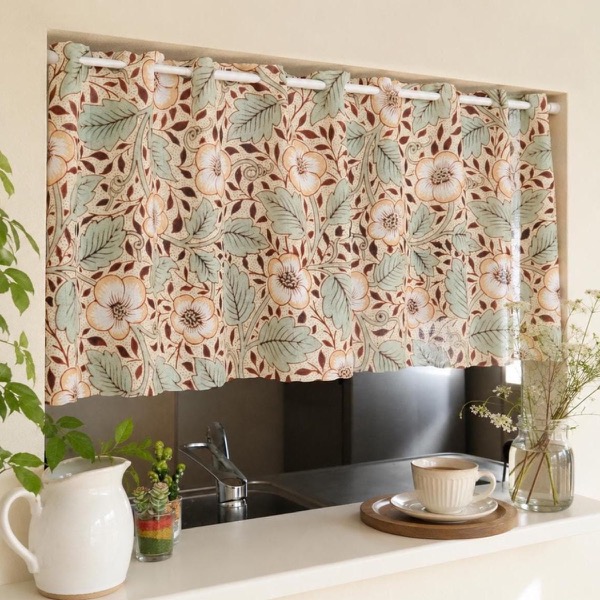
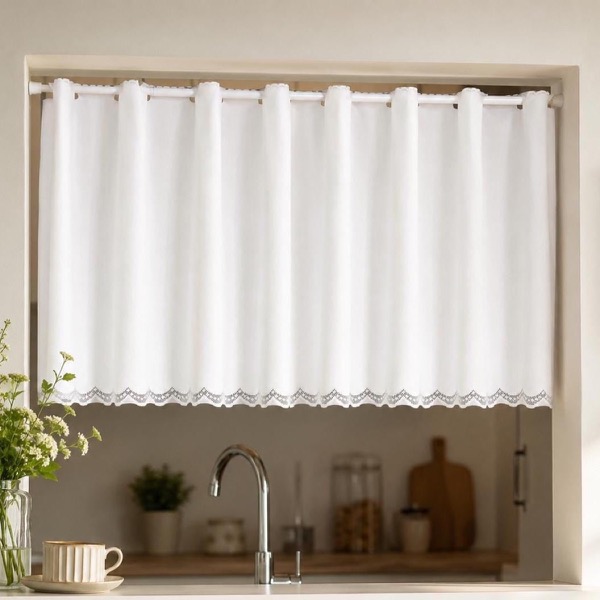
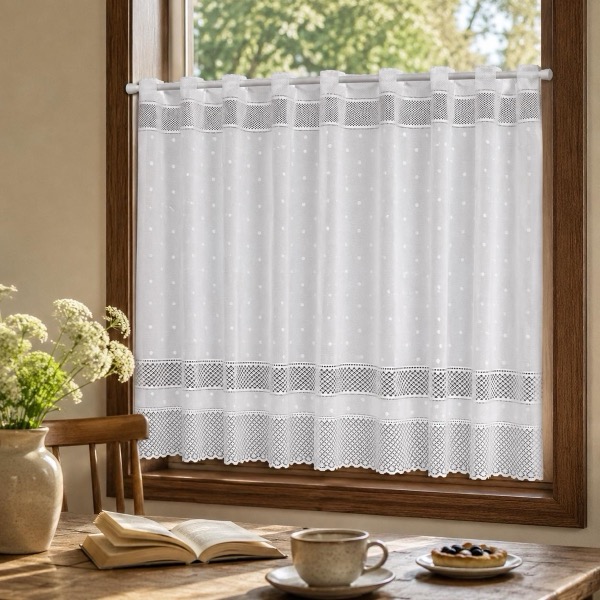
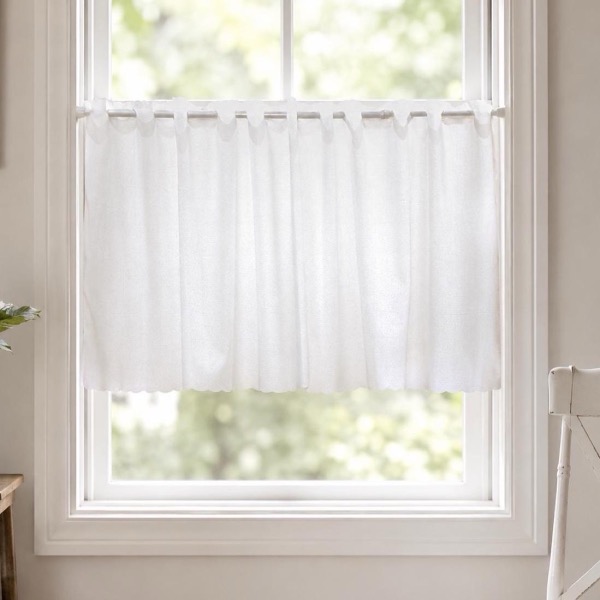
A cafe curtain is the better fit when the main need is a modest layer at a window rather than a divider at a doorway. It can soften a kitchen, bathroom, or small sitting area while leaving part of the glass uncovered, which helps a room keep its natural light and connection to the outside. The right degree of coverage depends on the window, the room's use, and how much privacy the position actually needs. A cafe curtain is not a substitute for every window treatment, especially where full coverage is essential. The plain white Japanese cafe curtain is made in Japan and listed at 59.1 by 17.7 inches; use the listing's dimensions and your own measurements to decide whether its scale suits the window.
How Should You Measure Before Choosing?
Measure the opening before choosing a textile by pattern alone. For a noren, note the width of the doorway or interior opening, where the rod will sit, and the drop you want the panel to make. For a cafe curtain, measure the section of window you intend to cover, not an imagined standard size. Also consider the rod, trim, handles, nearby cabinets, and any surface that could prevent the fabric from hanging freely. A size that looks balanced in a product photograph can feel crowded or too slight in a real room. Use the noren size guide to think through doorway scale, and confirm the exact stated dimensions on each product listing before deciding.
How Do Light and Passage Change the Choice?
Light and movement are the two clearest filters. A window textile must allow the room to work during the day, so think about where daylight enters, which sightlines need softening, and whether the window needs to open regularly. A doorway textile must make passage easy, so consider how often people, pets, or carried items move through the opening. A noren can make a threshold feel defined without requiring a person to draw back a full panel each time. A cafe curtain can make a window feel considered without turning the whole wall into a covered surface. Keep the surrounding space simple so the textile's practical role remains visible rather than becoming one more competing detail.
Does Fabric and Pattern Matter?
Fabric and pattern matter after the function is clear. A plain or sheer window textile can keep a small room visually open, while a patterned noren can become a deliberate focal point at a threshold. Look at the room's existing materials before adding another texture: wood, painted walls, ceramic, and upholstery already establish a visual rhythm. Choose a textile that joins that rhythm instead of competing with every object nearby. Do not assume that a natural-looking fabric will suit every location; placement, light exposure, and the care information on the specific listing still matter. For a material-focused comparison before choosing a doorway panel, see linen versus cotton noren.
Can Noren and Cafe Curtains Work Together?
They can work together when each one solves a separate problem. A cafe curtain can handle a window's light and privacy needs while a noren gives an adjacent passage a softer boundary. The result works best when the two textiles share a restrained connection, such as one recurring color, a similar visual weight, or simply enough open space between them. They do not need to match exactly, and adding both is not automatically an improvement. In a compact room, one thoughtfully placed textile may be all that is needed. Add a second only after the first has proven useful in daily life. The aim is a room that feels easier to use, not a room that displays every available textile form.
Which Should You Choose First?
Choose a noren first when a doorway or interior opening needs a soft, pass-through divider. Choose a cafe curtain first when a window needs a measured layer that preserves some daylight. In both cases, measure the real opening, check the specific listing, and let the room's daily use guide the decision. Every NeoiAtelier piece is made in Japan and ships from Osaka. Explore the noren and textile collection to find a form whose scale, pattern, and purpose fit the place where you will actually use it.