One Japanese Tea Cup or a Set? A Gift Guide
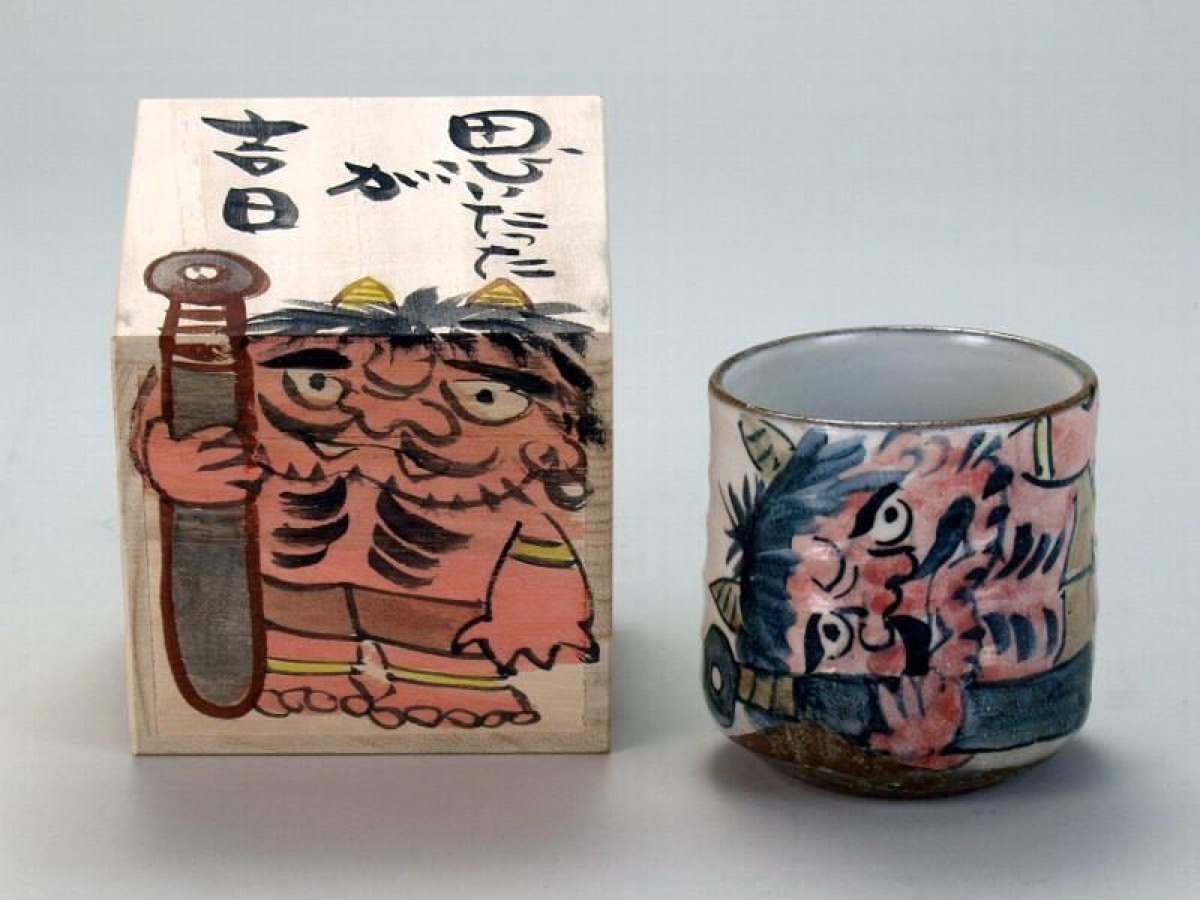
A single Japanese tea cup is usually the better gift when you know one person's daily drink but not their table setting. Choose a pair or set only when you know it fits their household and routine. For a handmade Kutani yunomi, capacity, motif, and ease of use matter more than giving the largest possible bundle.
What Should Decide Between One Tea Cup and a Set?
Let the recipient's real routine decide. A person who makes one quiet cup of tea, coffee, or another warm drink may appreciate one beautiful yunomi more than several pieces that need storage or coordination. A shared household can make a pair or set feel natural, but only when you know that the recipients enjoy using matching tableware. Think first about who will reach for the gift, where it will rest, and whether it should feel immediately useful or more ceremonial. This is a practical decision rather than a rule about what a gift should cost. One well-chosen cup can feel complete because it has a clear role; more pieces are worthwhile only when they make that role easier or more generous.
When Is One Japanese Tea Cup the Better Gift?
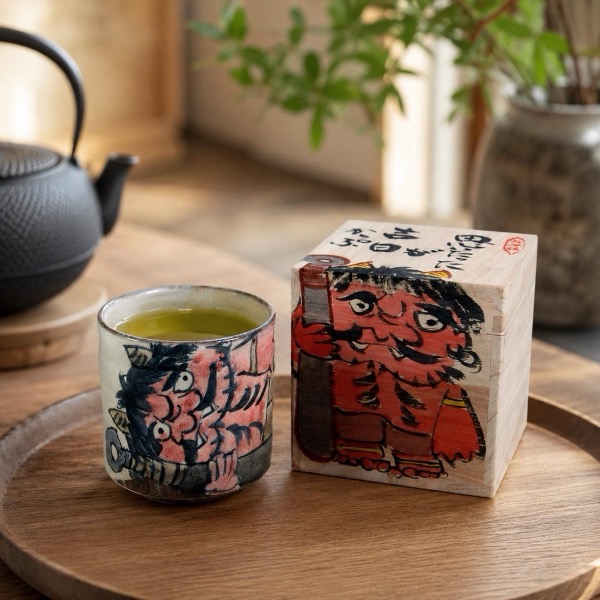
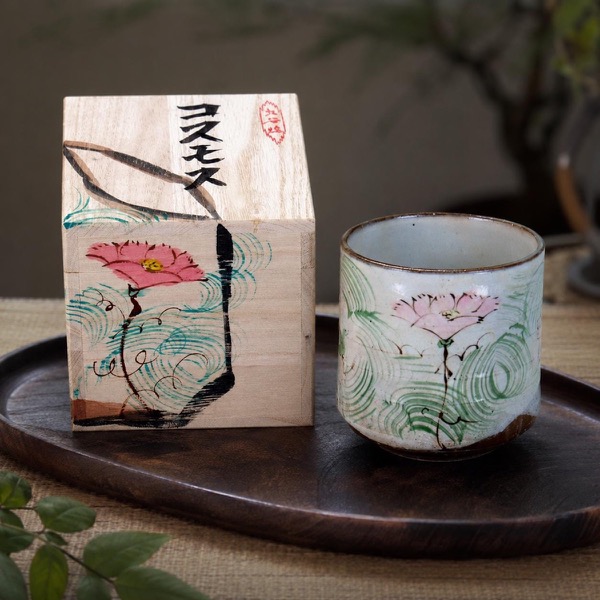
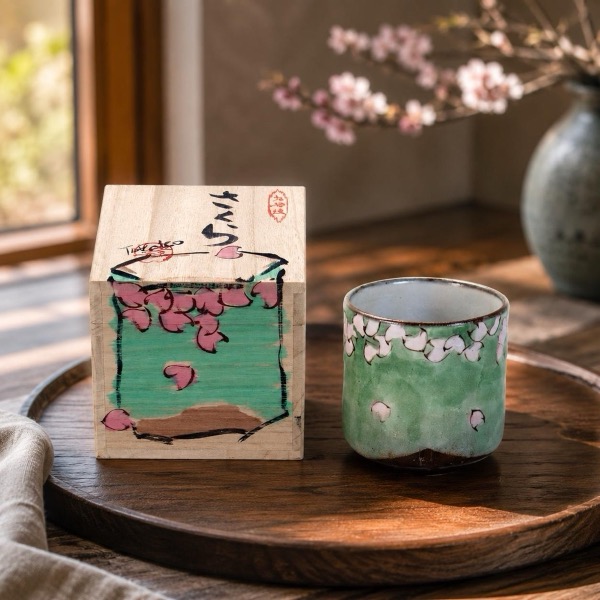
One Japanese tea cup is the better choice when you are buying for an individual habit. It suits a birthday, thank-you, new-home gesture, or personal milestone when you know the recipient enjoys a warm drink but do not know their cupboard space, preferred table setting, or guest routine. A single piece also gives you room to choose a motif with real care. Instead of trying to match a whole service, you can select a painted design that feels right for the person who will use it. Browse the Japanese tea cups collection to compare individual Kutani yunomi, then read what a yunomi is for a simple introduction to the everyday form.
When Can a Pair or Set Make More Sense?
A pair or set can make more sense when the gift is clearly for a household, a couple, or a host who regularly shares tea. It is a good fit when you know there is room to keep the pieces together and when the recipients enjoy matching objects on the table. It is less suitable when you are guessing about their storage, drink preferences, or entertaining habits. More pieces create more decisions: how they will be stored, whether they will be used together, and whether the designs should match exactly. If those answers are uncertain, a single cup is the more considerate choice. It can be used on its own from the first day rather than waiting for an occasion or a full tea setting.
How Should You Choose a Cup for One Person?
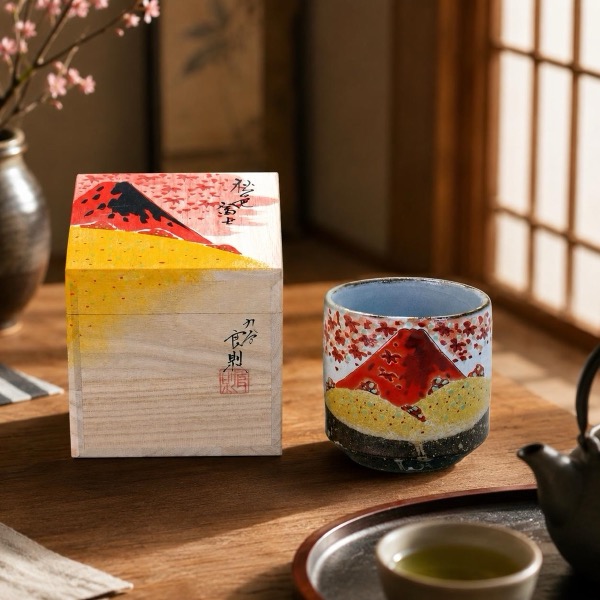
Choose the daily role before choosing the decoration. A 270 ml Kutani yunomi can suit a shorter, focused tea break; 325 ml offers a balanced everyday size; and 385 ml may suit someone who likes a longer pour. These capacities are current options in NeoiAtelier's Kutani yunomi collection, so compare the individual listing before deciding. Next, choose a motif you can connect to something genuine: a favourite colour, a love of flowers, a calm landscape, or a more graphic style. Use the Kutani yunomi selection guide to compare capacity, motif, and resting place, then check the specific Mt Fuji Kutani yunomi listing for its 325 ml size and gift-box details.
Does Capacity Matter More Than the Motif?
Capacity and motif answer different questions, and both deserve attention. Capacity shapes the rhythm of use: a recipient who takes a brief pause may prefer a compact cup, while someone who lingers over a drink may value more room. Motif shapes the pleasure of seeing the cup every day. Start with capacity when you know the routine well, then use the motif to make the gift personal. If you know the person's visual taste but not their usual pour, a balanced everyday size is often easier than an unusually small or large cup. The goal is not to choose a universally correct size. It is to give a cup that feels easy to reach for rather than too precious, too large, or too specific for ordinary use.
How Can You Avoid Making the Gift Too Assumptive?
Avoid assuming that a tea lover wants a formal tea ceremony, a matching collection, or a particular brewing method. A yunomi is an everyday handle-free cup, so it can support a familiar pause without requiring new equipment or a prescribed ritual. It is also wise to avoid adding incense, textiles, or other objects just to make the gift feel larger unless you know those categories fit the recipient's home. A single handmade cup can carry a thoughtful message on its own. For a broader view of useful, low-assumption choices, see the Japanese gifts for tea lovers guide, which helps connect the gift to the recipient's existing routine.
Where Should You Start?
Start with one question: who will use this cup, and when? If the answer points to one person's daily drink, choose a single yunomi with a capacity and motif that suit them. If you know the gift is for a shared table and the recipients enjoy coordinated pieces, a pair or set can be meaningful. Every NeoiAtelier piece is made in Japan and ships from Osaka. Begin with the Japanese tea cups collection and choose the piece that feels useful, personal, and easy to enjoy on an ordinary day.