Uchiwa and Sensu: Japan's Two Traditional Hand Fans
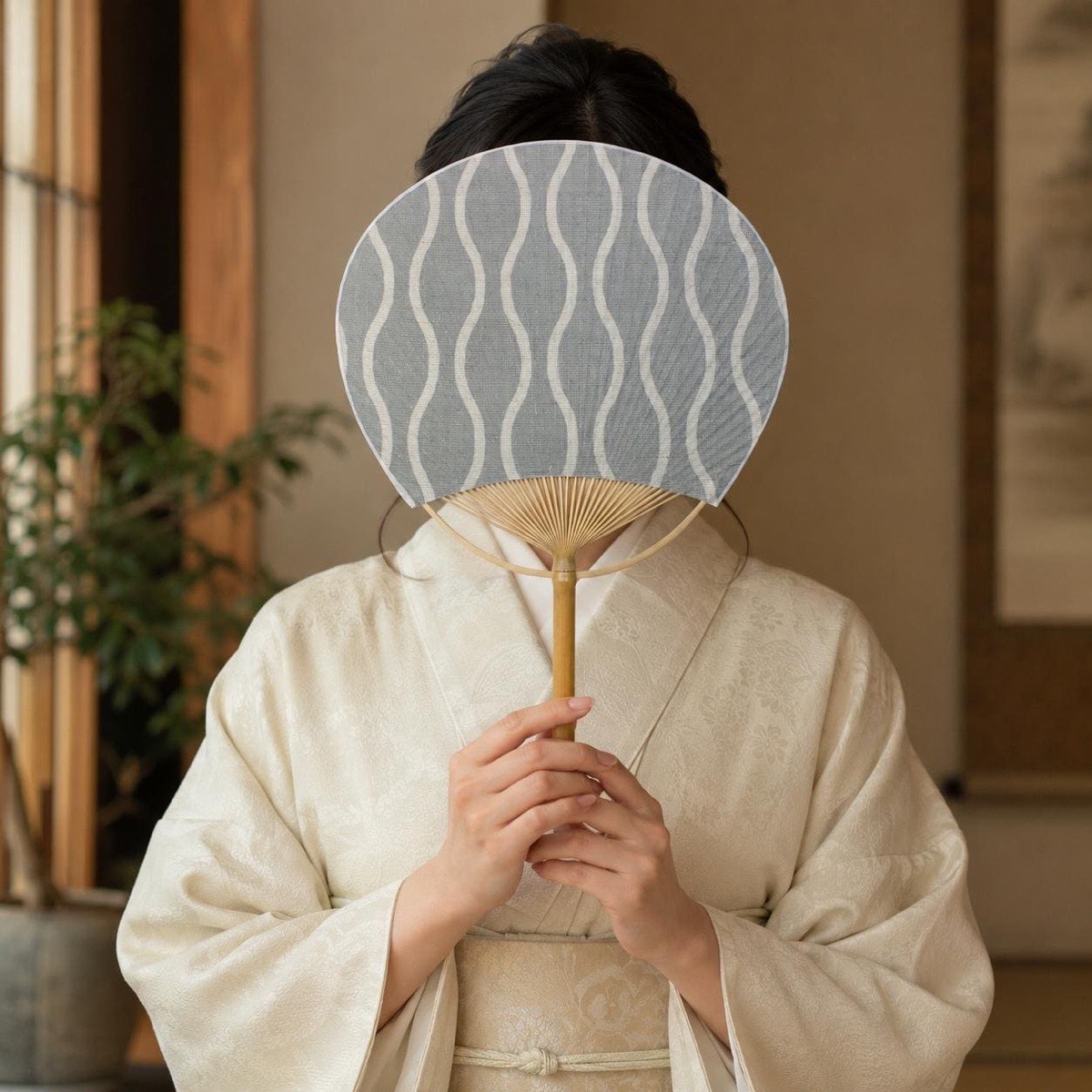
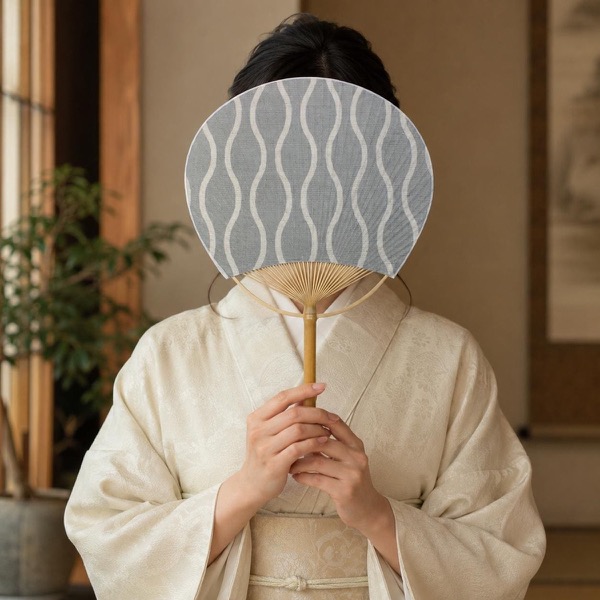
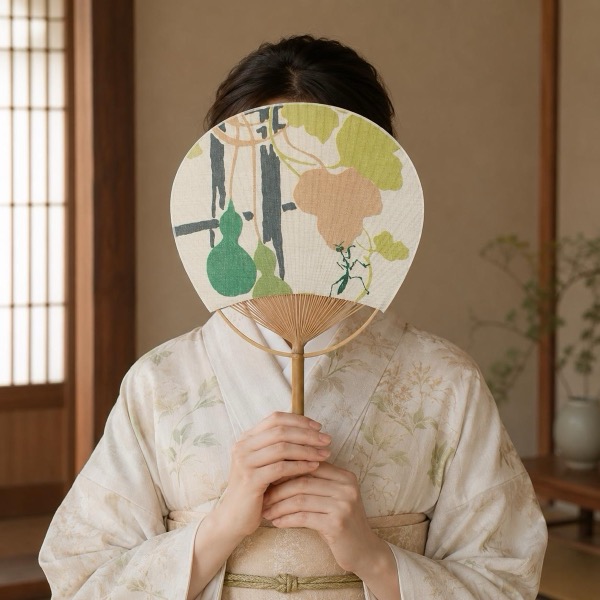
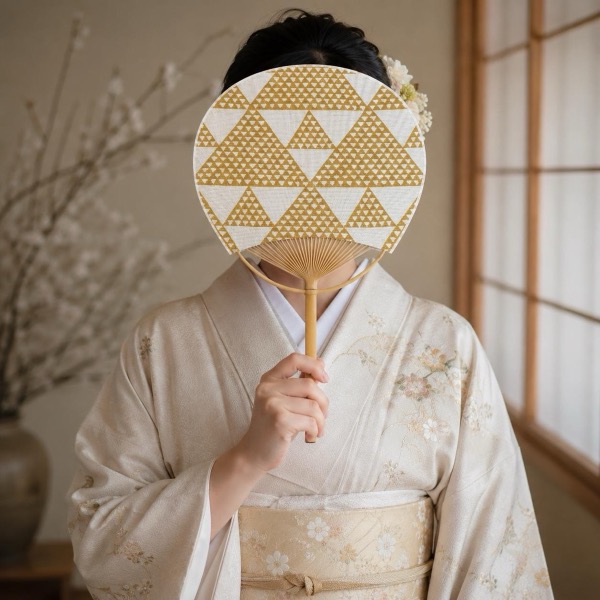
Japan keeps two fans. The uchiwa is rigid — a flat paddle of washi paper or linen stretched over a fine bamboo skeleton. The sensu folds — invented in Japan around the 8th century and exported, eventually, to the entire world. Both are still made by hand, and both have quietly become wall art in modern interiors.
Uchiwa: the summer paddle fan
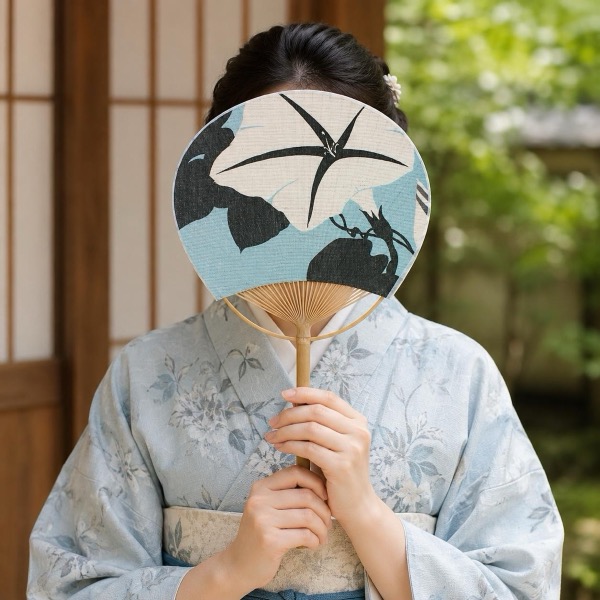
The uchiwa's round face arrives with summer festivals, fireworks and grilled fish. A good one is cut from a single piece of bamboo, split into dozens of ribs that fan out beneath the fabric. Linen-faced uchiwa — like the ones we carry, with dragonfly, koi and morning-glory motifs — move more air and last for years. Off-season, stand one in a vase or hang it flat: an instant, inexpensive piece of Japanese craft on the wall.
Sensu: the folding fan
A sensu collapses a painting into a stick of bamboo. Historically it signaled rank at court, punctuated rakugo storytelling, and choreographed tea ceremony gestures. Shell-shaped and classic sensu in our collection pair washi or cloth with lacquered guards — pocketable in summer, displayable all year on a small stand.
Which to choose
For daily use and casual display, uchiwa. For gifting and travel, sensu — it folds into a drawer and opens into an occasion. Both are made in Japan, light enough to ship anywhere, and kind to small budgets, which makes them a favorite first piece of Japanese craft. Browse the handcrafts collection — every order ships gift-ready from Osaka.