Zabuton vs Floor Cushion: How to Choose for Your Home
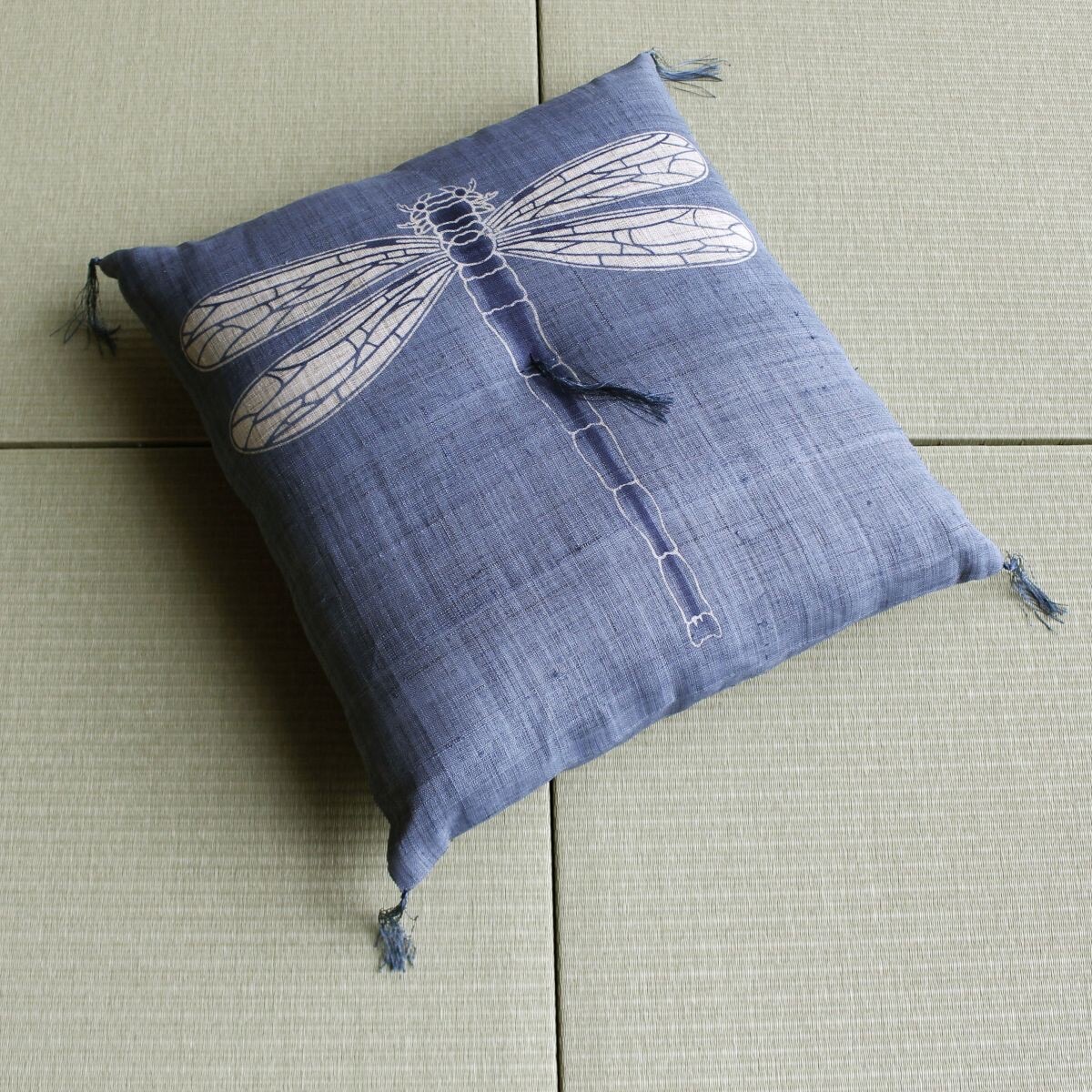
Choosing between a zabuton and a general floor cushion is simpler when you start with the activity, not the label. A zabuton is a floor seat with a specific Japanese context, while floor cushion is a broad category. Measure the space, check whether you are buying a filled cushion or a cover, then choose the format that serves your daily routine.
Is a Zabuton the Same as a Floor Cushion?
A zabuton is a type of floor cushion, but the terms do not always describe the same thing. Zabuton usually refers to a flatter Japanese seat used close to the floor, whereas a floor cushion can mean many shapes, fills, and purposes. Some are designed as a low seat, some as a decorative accent, and some as a padded base beneath another cushion. The useful distinction is practical: decide whether you need a stable place to sit, a textile cover for an existing insert, or a softer layer in a low-seating arrangement. A product title alone cannot answer that question, so read the listing before comparing colours or motifs.
What Should You Use It For?
Choose a zabuton when you want a defined floor seat for tea, reading, occasional guests, or time at a low table. Choose a broader floor cushion only when its stated shape, filling, and intended use match the activity you have in mind. A low decorative cushion may look inviting but not offer the same sitting surface as a filled tea cushion. Equally, a cover is useful only if you already have, or plan to add, a compatible insert. Start with one honest use case rather than trying to make one object solve every seating need. That approach keeps a room comfortable without turning a quiet corner into a storage problem.
How Do Size and Shape Change the Choice?
Size changes both the visual footprint and how a cushion works in a room. NeoiAtelier's compact filled tea cushions are listed at about 42 by 45 cm, or 16.5 by 17.7 inches, while its flat linen zabuton covers use a 55 by 59 cm, or 21.7 by 23.2 inch, Meisen-standard format. Those measurements describe different products, not a universal rule for every zabuton. Measure the clear floor area, then compare it with the listed dimensions and the way you expect to sit. A compact cushion can make sense beside a tray or low table; a wider cover needs an insert and enough surrounding space to remain easy to use.
For the measurements, cover distinction, and basic terminology, read the NeoiAtelier zabuton guide.
Do You Need a Filled Cushion or a Cover?
You need a filled cushion when you want a complete seat, and you need a cover when you already have the correctly sized padded insert. This is the most important comparison to make before buying. A textile cover can bring colour, linen texture, or a hand-dyed finish to a room, but it is not the padded form itself. A filled tea cushion is ready to place on the floor, while a cover asks you to confirm fit before it becomes useful. Check the product description for the words cover, cushion, insert, and dimensions. When those details are clear, the choice becomes less about terminology and more about what will actually arrive and work in your space.
How Should You Plan a Small Room?
In a compact room, floor seating works best when it has a purpose and a place to go afterward. Use one cushion by a low table, beside a bookcase, or at the end of a sofa rather than placing several loose pieces in a walkway. Leave a clear path for moving through the room and treat the cushion as part of the furniture plan, not a stray decorative object. If the room regularly changes function, a filled compact cushion may be easier to bring out for tea or a visitor, while a cover may be the better choice when you already store compatible inserts. The right answer is the one that keeps the room usable between occasions.
See how one seat can work in a flexible room in our small-space zabuton guide.
What Material and Surface Should You Consider?
Material should support the room you already have rather than force a theme onto it. A plain linen cover can sit quietly with wood, tile, or a rug, while a hand-dyed motif can become the focal point of a simple tea or reading corner. Look closely at whether the listing describes a cover or a filled cushion, because the visible textile and the structure underneath are separate decisions. Also consider where the piece will be used: a calm, low-traffic corner gives a patterned textile room to be seen, while a more active area may call for a restrained surface that works with existing furniture. Let the practical role set the baseline, then choose the colour or motif you will enjoy seeing often.
How Can You Test the Setup Before Buying?
Test the idea with the space you already have. Mark the listed dimensions on the floor with paper, or place a folded blanket where the cushion would go, then sit there briefly with the table, book, or tray you plan to use. This does not replace a product specification, but it helps reveal whether the corner is too narrow, blocks a path, or needs a smaller format. It also makes the cover-versus-cushion decision clearer: a placeholder can show the footprint, but only a filled seat provides the padding you expect. Recheck the listing measurements once more before ordering, especially when you are matching a cover to an insert you already own.
Which Choice Makes Sense for Your Home?
Choose a zabuton or filled tea cushion when your priority is a ready-to-use floor seat with a clear role. Choose a floor-cushion cover when you are deliberately pairing a textile with a compatible insert and want to control the surface, size, or look. Neither option is automatically better; the useful choice is the one that matches your sitting habit, available floor area, and the product details you can verify. Every NeoiAtelier piece is made in Japan and ships from Osaka. Start with one well-chosen seat, then let the room show whether it needs anything more.
Explore the Japanese linen textile collection for zabuton, noren, and wall textiles that can bring a considered finish to a calm home corner.