Japanese Gifts for Gardeners: Thoughtful Handmade Ideas
The best Japanese gifts for gardeners bring the calm, seasonal attention of a garden into an everyday indoor ritual. Choose a useful, made-in-Japan object with a botanical motif, tactile material, or a quiet place in the recipient's routine, rather than a novelty that needs extra care or outdoor space.
What Makes a Japanese Gift Right for a Gardener?
A good gift for a gardener notices the way they already look at the world: changing light, the texture of a leaf, the surprise of a flower returning in season. It does not have to be garden equipment. A tea cup for a post-gardening pause, a linen textile with a botanical motif, or a small hand fan for warm days can feel more personal because it keeps that attentiveness close to home. Start with one clear habit instead of trying to decorate an entire room. The strongest choice is useful enough to reach for often and specific enough to recall the person who gave it.
Why Is a Hand-Painted Tea Cup a Strong Starting Point?
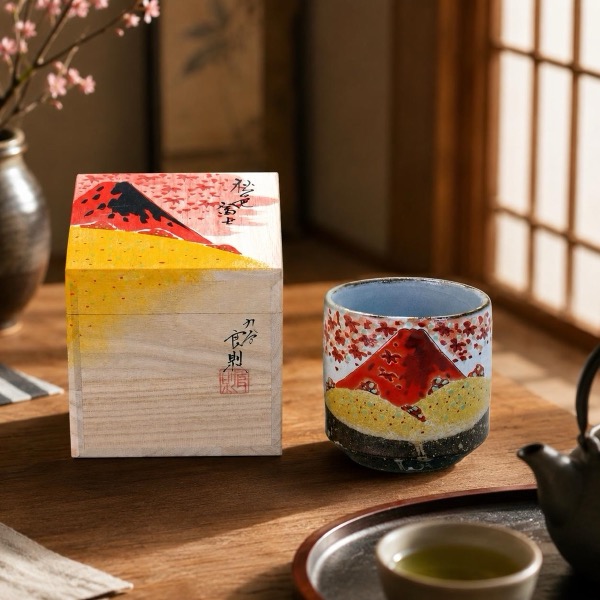
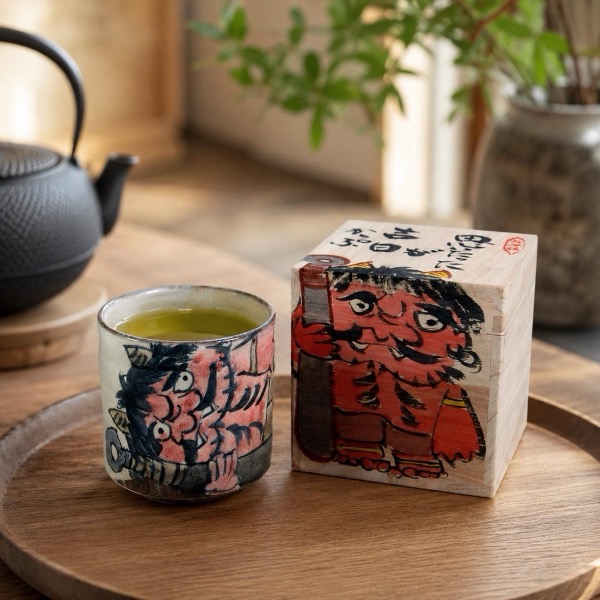
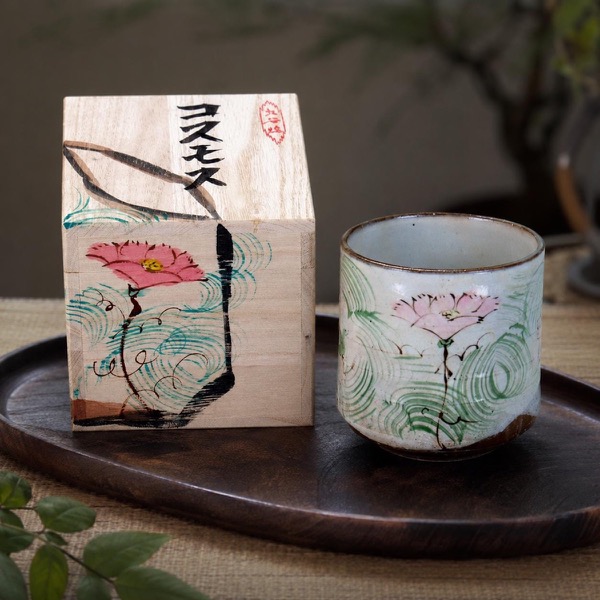
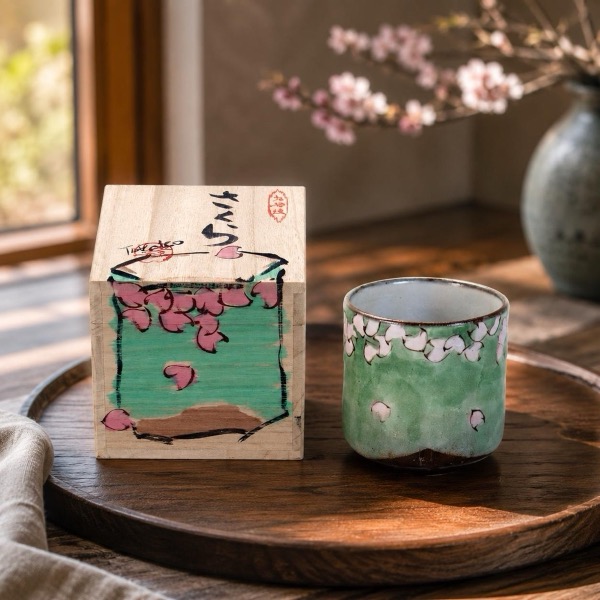
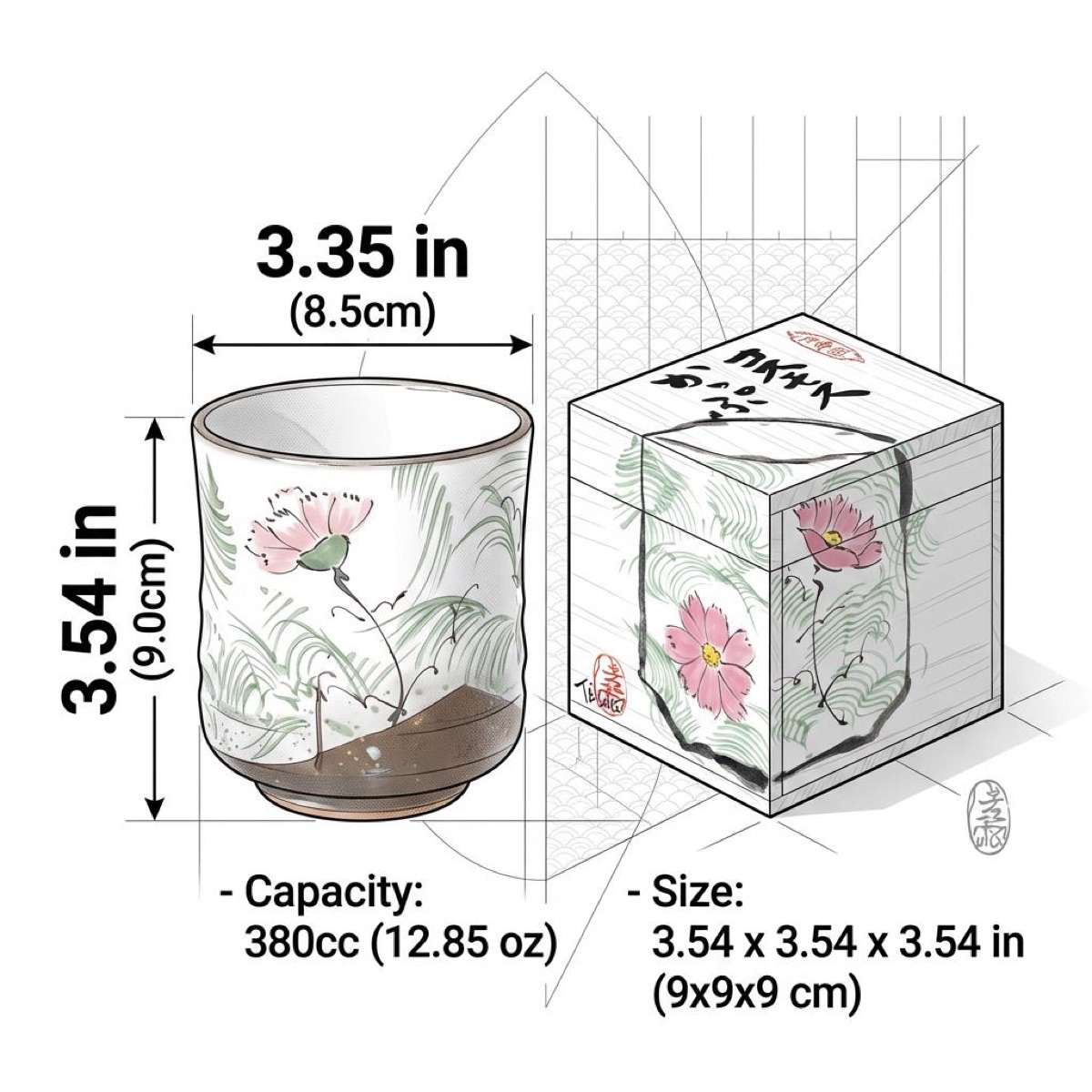
A tea cup works because it gives the recipient a simple place to pause after watering, pruning, or planning the next bed. For a gardener, a painted flower or landscape can make that daily cup feel considered without demanding a matching service or a new tea routine. The best choice is a single cup with a comfortable capacity and a motif they will enjoy seeing year-round. The cosmos flower Kutani yunomi is a verified 380 cc porcelain cup, hand-painted by Azuma Takako and presented in a paulownia wood gift box. It is sold as one cup, which makes it a straightforward personal gift rather than an assumed set.
How Should You Choose a Botanical Motif?
Choose a motif by the recipient's taste, not by a rule about what a flower must mean. Someone who grows a loosely planted, flower-filled garden may respond to the soft spread of cosmos; someone who prefers a quieter space may like a restrained stripe, a bird, or a single seasonal detail. Look for a painting or textile that feels close to the colors they already choose for pots, books, or a kitchen shelf. This approach keeps the gift personal while avoiding claims that every motif has a fixed message. Browse the Japanese tea cups collection to compare hand-painted yunomi, then use the Kutani yunomi selection guide to weigh capacity, hand feel, and decoration.
Could a Linen Noren Suit a Plant-Filled Home?
A linen noren can be a thoughtful choice for a gardener whose indoor space already includes natural fibers, soft light, and visible textiles. It works at an interior opening, pantry, or calm corner when you know the measurements and have a sense of the recipient's style. Unlike a small cup, a noren changes the feeling of a threshold, so it is most successful when it has a clear home before you give it. A botanical or seasonal pattern can echo their interest in plants without pretending to be outdoor gear. Explore the linen noren collection and consult the noren size guide before choosing a panel for a particular opening.
When Is a Japanese Hand Fan a Good Gift?
A Japanese hand fan is a practical gift for someone who enjoys a garden, balcony, or porch but does not need another permanent object for the house. It is easy to carry to a summer gathering, useful during a warm afternoon, and small enough to store after the season. Choose it for a recipient who appreciates materials and patterns as much as utility. A folding sensu offers portability; a flat uchiwa creates a broader breeze and can also rest as a small visual accent indoors. Our Japanese handcrafts collection includes linen-and-bamboo fans made in Japan, and the fan care guide explains how to keep the leaf and frame in good condition.
Should You Give One Piece or Build a Pair?
One well-chosen piece is usually the more generous option. A cup, fan, or textile should feel complete on its own; adding objects only to make a larger package can make the gift harder to place or less true to the recipient's routine. If you know that two people share tea or a home, choose two individual cups only when you can match each person separately. Do not assume that a gardener wants a coordinated theme across the house. Let the painting, texture, or useful purpose do the work, then add a short note about the detail that made you think of them.
How Can You Make the Gift Easy to Enjoy?
Make the first use simple. Give the cup clean and ready for a first tea, keep any care note brief, and avoid adding rituals the recipient did not ask for. For hand-painted porcelain, gentle hand washing with mild soap, no dishwasher or microwave, and full air-drying before storage are the verified care basics for the cosmos yunomi. For a practical home routine, see our Japanese tea-cup storage guide. Every NeoiAtelier piece is made in Japan and ships from Osaka, so you can focus on the object that fits the person's daily life and let its craftsmanship remain the lasting part of the gesture.
Where Should You Begin?
Begin with one image of the recipient at home: drinking tea after tending plants, opening a bright doorway, or cooling down beside a window in summer. Then choose the object that makes that moment a little more useful or more beautiful. A hand-painted yunomi is the safest starting point for a tea drinker; a linen noren suits someone whose space you know; and a fan is a compact choice for warm-weather use. Start with the Japanese gift guide, then select the one piece that feels natural in their day rather than trying to recreate their garden indoors.