Japanese Kitchen Decor Ideas for a Calm, Useful Space
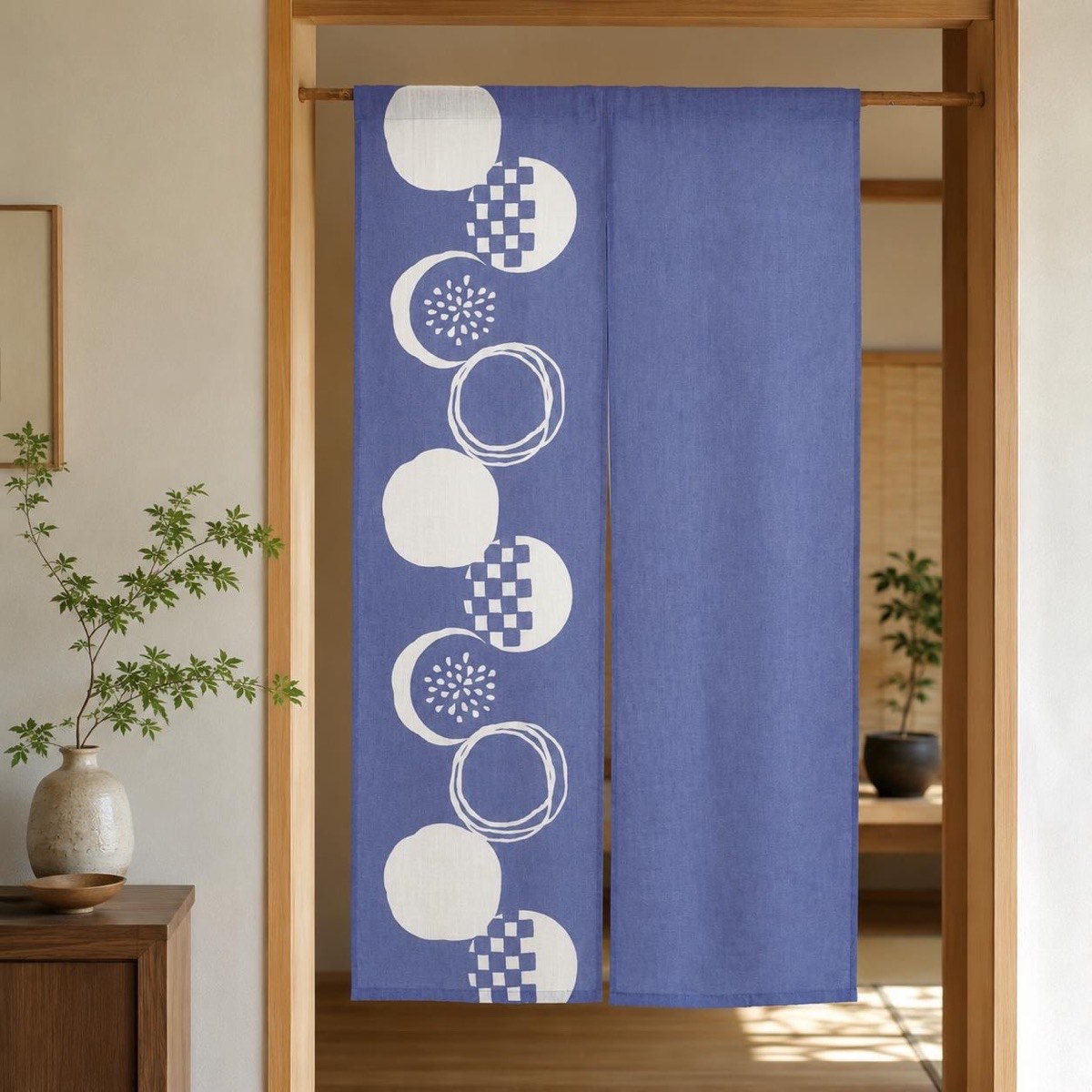
Japanese kitchen decor works best when each object has a useful place. Start with a calm working surface, add one natural textile at the threshold, and keep the tea things you use often within easy reach. A few well-chosen pieces can make a kitchen feel warmer without turning it into a themed display.
What Makes a Kitchen Feel Calm Rather Than Bare?
A calm kitchen is not an empty kitchen. It is a room where the everyday objects have a clear place, the working surface still has room to work, and one or two materials bring softness to the harder surfaces of cabinets, tile, and appliances. Begin by choosing a small visual center: a tea tray, a single cup on an open shelf, or a textile at an opening. Then remove competing ornaments from the same sightline. This approach is especially helpful in an open-plan home, where the kitchen remains visible while someone is eating, reading, or talking nearby. The aim is not to copy a particular interior from a photograph. It is to give practical objects enough breathing room that the room feels considered during ordinary use. Wood, linen, bamboo, and porcelain can work together because each brings a different texture without needing a loud color scheme.
How Can a Noren Improve a Kitchen Threshold?
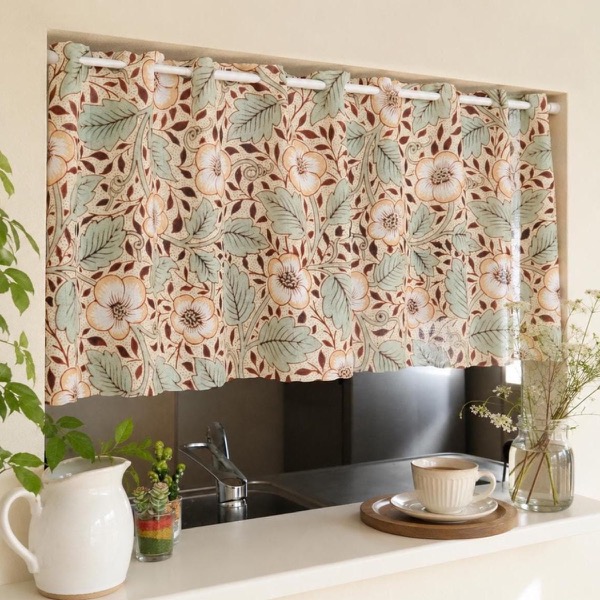
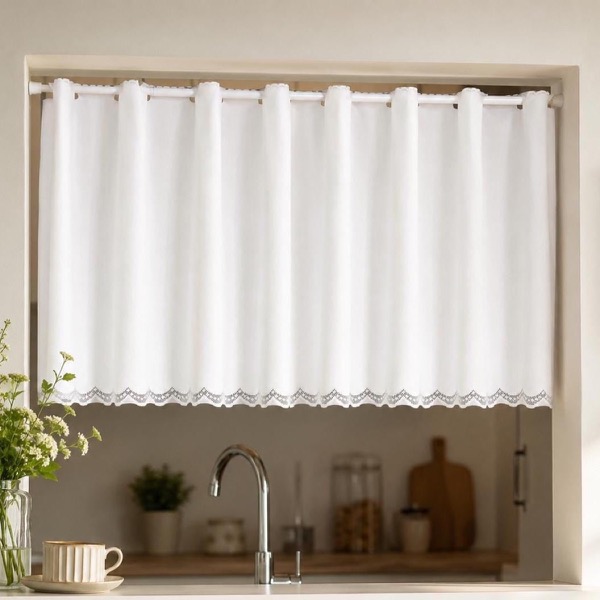
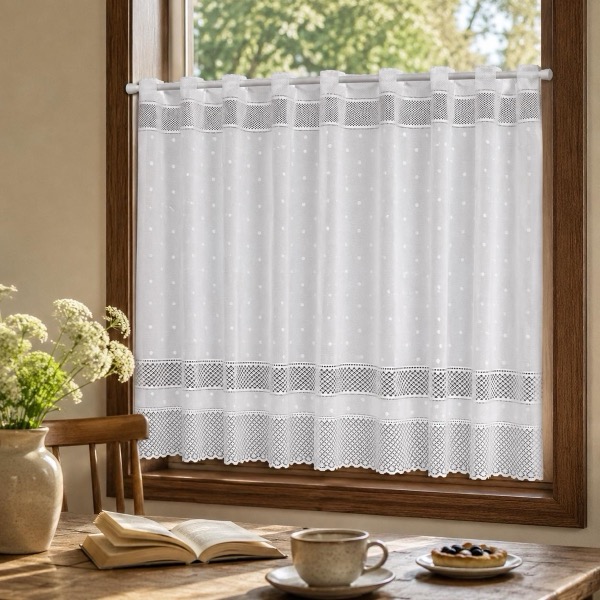
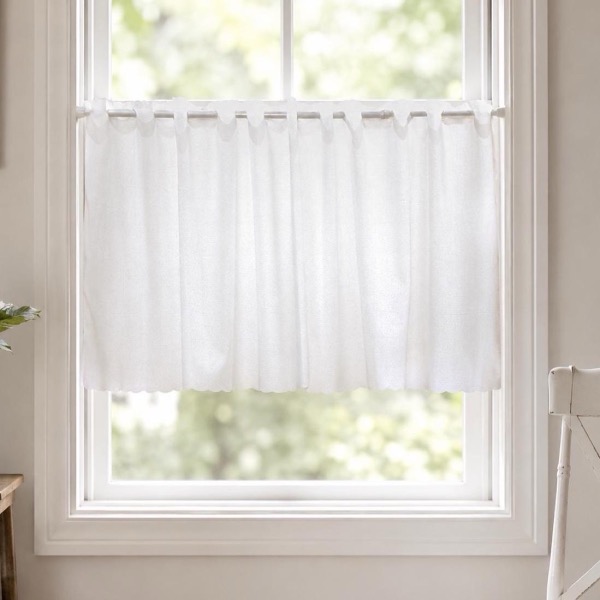
A noren can soften a kitchen doorway, pantry opening, or view toward a utility area while keeping the route easy to use. Its split lets someone pass through without moving a heavy door or gathering a full curtain, which makes it useful where hands may be carrying dishes. Choose a linen panel when you want texture that reads clearly from the dining or living area, then keep the surrounding wall and counter relatively quiet. A shorter panel can preserve a sense of connection and light, while a longer one can reduce a direct view into storage. The right placement depends on the opening rather than on a general decorating rule, so start with the noren and wall hangings collection and use the noren size guide before deciding which format suits the room.
Which Tea Cups Belong on an Open Kitchen Shelf?
Keep only the tea cups you reach for regularly on an open shelf. A small group of two or three can make the shelf feel welcoming; a crowded row makes even beautiful ceramics read as storage. A yunomi is a handle-free cup made for everyday tea, so it is an easy choice for a daily tea or warm-drink routine. Choose cups with a shared color family or a related scale, rather than trying to make every pattern match. Put them where they are easy to lift down and away from the splash zone beside the sink or stove. The Japanese tea cups collection is a useful place to compare forms, while the yunomi guide explains why this shape works so naturally in everyday use.
How Do You Make a Small Tea Spot Work in a Kitchen?
Give the tea ritual one defined footprint instead of letting it spread across the counter. A tray, a corner of a shelf, or a small section beside the kettle can hold the cup, tea, and the one utensil you reach for most. Keep enough clear surface around it for actual preparation, then return the items to that zone after use. This is more durable than styling a counter once and hoping it stays that way through a busy week. If you share the kitchen, choose a spot that does not interrupt someone else cooking. A tea area can be modest: one cup, a container of tea, and a clear place to set a hot drink are enough. For a fuller arrangement without crowding the room, see the <a href="/journal/japanese-tea-corner-at-home/">Japanese tea corner setup guide</a> and adapt only the parts that fit the space you already have.
Where Should Pattern and Color Appear?
Let pattern appear in one decisive place. A blue or botanical noren can carry more visual weight than several printed containers, while a hand-painted cup can bring a small point of color to a neutral shelf. Repeating one color once elsewhere is usually enough: a cloth, a simple bowl, or a small piece of packaging that can be put away. This gives the eye a route through the room without creating a collection of unrelated motifs. If your cabinets, tiles, or worktop already have a busy surface, choose a quieter textile or cup. If the kitchen is mostly plain, a patterned piece can be the room's first clear gesture of personality. The useful question is not whether a motif is traditionally Japanese enough; it is whether it can be seen and enjoyed without getting in the way of cooking, cleaning, or storing what the kitchen needs.
Can a Japanese Fan Belong in a Kitchen?
A Japanese fan can work in a kitchen-adjacent dining corner or on a nearby wall when it is treated as a light graphic accent, not as countertop clutter. An uchiwa is a rigid fan, while a sensu folds; either can bring bamboo and linen texture to a space that otherwise relies on hard, washable materials. Keep it away from steam, splashes, and direct cooking heat, and give it a clear patch of wall or shelf rather than placing it among utensils. A fan is especially useful in a compact home because it contributes character without demanding counter space. Browse the Japanese handcrafts collection for material and motif ideas, then use the fan display guide to plan a safe, simple placement.
What Should You Leave Out of the Plan?
Leave out anything that prevents the kitchen from doing its main job. Avoid filling the counter with decorative vessels, placing textiles where they will be splashed or catch on handles, or treating every open shelf as a gallery. Strong fragrance and open flame also deserve their own considered setting, rather than being added to a crowded cooking zone. The most inviting kitchens still have clear preparation space, accessible storage, and objects that can be cleaned or put away easily. Editing is part of the look: if an item does not help you cook, drink tea, move through the room, or enjoy the view from the next room, it may not need to stay out. A room can feel warm with one textile and a few cups when those choices have a clear purpose.
How Do You Start With One Useful Change?
Start with the point where your kitchen meets the rest of the home. A linen noren can soften the threshold, a small group of tea cups can make a daily drink feel more intentional, and a fan can add one light note to a nearby dining area. Every NeoiAtelier piece is made in Japan and ships from Osaka. Explore the noren and wall hangings collection, the Japanese tea cups collection, or the Japanese gift collection, then choose the single object that makes the room work better for the way you live.