Japanese Retirement Gifts: 6 Thoughtful Ideas
Japanese retirement gifts feel most considered when they suit the recipient's next everyday routine, rather than trying to mark the occasion with something large or ceremonial. A made-in-Japan tea cup, fan, textile, or Kutani koro can be a lasting choice when its scale, use, and character fit the person receiving it.
What Makes a Japanese Retirement Gift Thoughtful?
A thoughtful Japanese retirement gift has a clear place in the recipient's life after work. Start with how they spend an ordinary morning, afternoon, or quiet evening rather than with an assumption about their new schedule. Someone who enjoys tea may value a cup they can reach for every day; someone who enjoys a calm home may prefer a textile or small display piece. This is also a useful moment to choose one well-made object instead of trying to assemble a large themed set. A gift can acknowledge a major career milestone while still being easy to use, store, and enjoy without explanation. The most personal choice is usually the one that respects what the recipient already likes doing at home.
Is a Japanese Tea Cup a Good Retirement Gift?
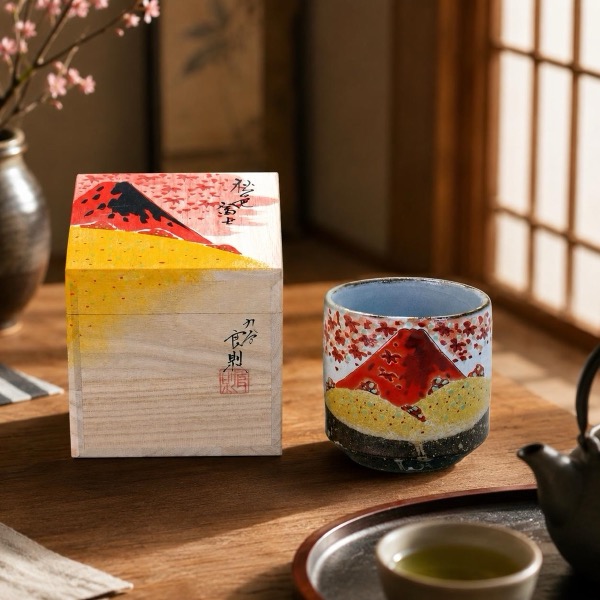
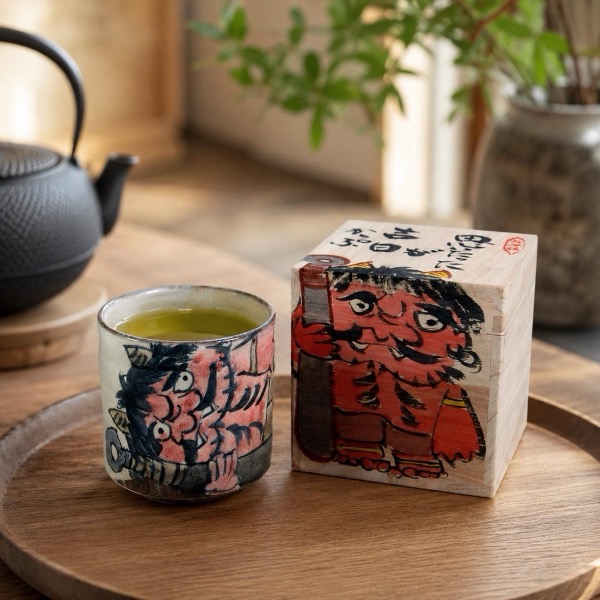
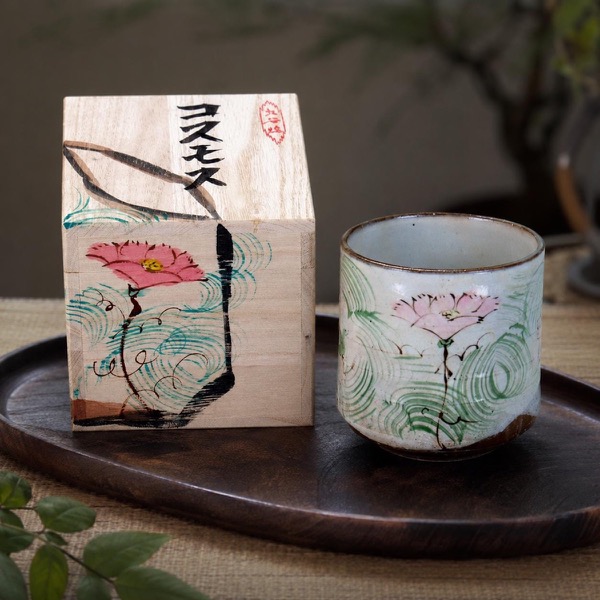
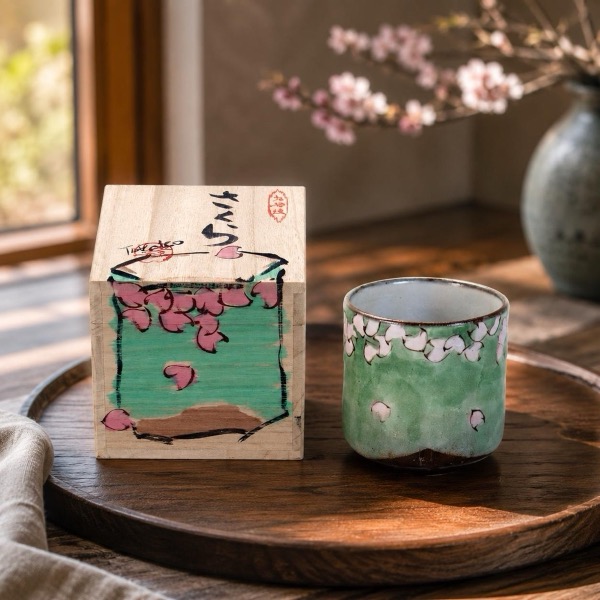
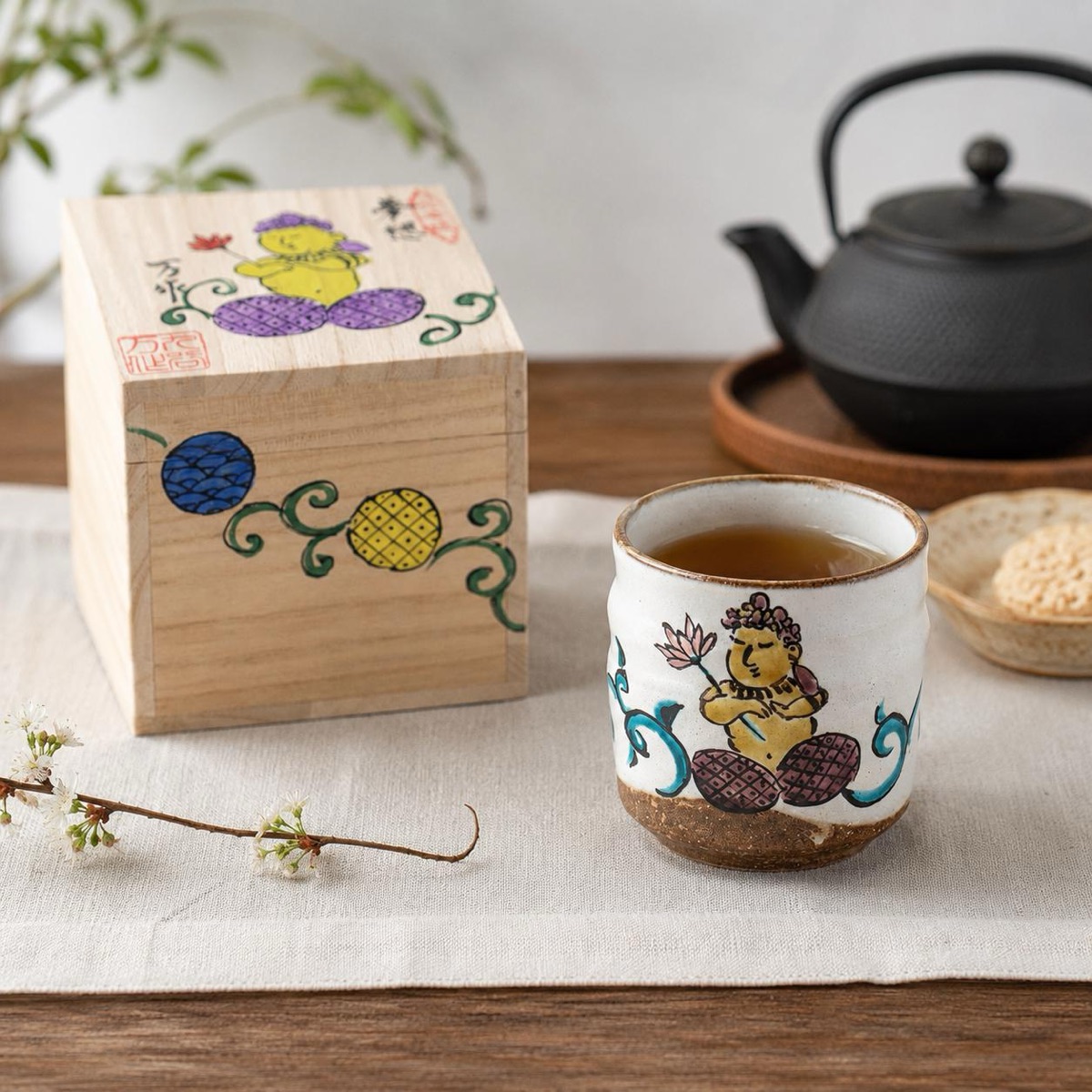
A Japanese tea cup is a good retirement gift for someone who already enjoys tea, coffee, or a regular warm drink at home. A handle-free yunomi is an everyday form, so it can make a familiar break feel a little more deliberate without requiring a new hobby. Capacity is a practical way to narrow the choice: NeoiAtelier's Kutani yunomi include approximately 9-, 11-, and 13-ounce options, allowing you to choose a size that feels comfortable for the recipient's usual pause. Motif matters too, but it should be a preference rather than a puzzle to solve. A cup with a capacity and design that suit their routine is more likely to become a favorite than an elaborate piece reserved for a special occasion.
How Should You Choose a Tea Cup Without Guessing?
Choose the tea cup by use first, then by visual character. Think about whether the recipient takes shorter tea breaks or likes to sit with a larger cup, and whether their home feels more drawn to floral, landscape, or contemporary decoration. You do not need to know every detail of their kitchen to make a good choice: one cup is easier to welcome than a set that needs matching space. If you know they use a dishwasher or microwave regularly, do not make assumptions about a particular piece; read the product listing and care guidance before ordering. Browse the Japanese tea cups collection for hand-painted Kutani yunomi, then use the Kutani yunomi selection guide to compare capacity, motif, and everyday role.
When Is a Japanese Hand Fan the Right Choice?
A Japanese hand fan can suit a retiree who appreciates a light, portable object with a place in both daily life and the home. A folding sensu stores compactly between uses, while an uchiwa has a simple paddle form that can be kept nearby in warm weather or displayed as a small craft accent. It is a strong choice when you know the recipient enjoys colour, pattern, or seasonal objects, because those details are part of the gift's appeal. Choose a fan as one personal piece rather than as a substitute for a more useful object. If their preferences are hard to read, a tea cup may be the safer option; if their style is clear, a fan can feel specific without becoming overly formal.
Could a Linen Textile Suit Their Home?
A linen textile can be a meaningful retirement gift when the recipient enjoys soft light, texture, or a more defined threshold at home. A noren can work near an interior opening, pantry, or quiet corner when the measurements and hanging position suit the space. It is not a universal choice, because a textile needs a place to live and its motif will be visible every day. That makes it best for someone whose home style you know reasonably well. A gift does not need to transform a room to be useful: one textile can add warmth while leaving the room functional and familiar. See the linen noren collection and read the noren size guide before choosing a piece for a particular opening.
When Does a Kutani Koro Make Sense?
A Kutani koro can be a considered retirement gift for someone who already enjoys incense or collects painted porcelain. It is best chosen for a recipient who has a stable, heat-resistant place to use it and understands that burning incense needs ordinary care and supervision. If you are uncertain about scent preferences, household rules, pets, or whether the recipient intends to burn incense, a koro can still be appreciated as a decorative object, but a tea cup or fan is often the simpler choice. The gift should never require the recipient to change their home routine. For styles and practical considerations, explore the Kutani incense collection and our guide to choosing a Kutani koro.
How Do You Keep the Gift Personal but Modest?
Keep the gift personal by matching it to one known habit and by writing a short, specific note. You might mention a colleague's generosity, a project you shared, or the hope that they will have more time for an everyday pleasure they already enjoy. Avoid choosing a large object simply because the occasion feels important. A single cup, fan, textile, or koro gives the recipient room to decide where it belongs, and it keeps the gesture warm rather than demanding. Every NeoiAtelier piece is made in Japan and ships from Osaka. That makes the craft story part of the present, while the note gives it its most personal meaning.
Where Should You Begin?
Begin with the recipient's routine and choose one object with a clear use. A Kutani yunomi is a practical start for a tea drinker, a hand fan suits someone who enjoys a portable seasonal accent, a linen noren works when you know their space, and a koro is best for an established incense or porcelain interest. For a wider comparison, browse the Japanese gift guide and the Japanese handcrafts collection. Choose the piece that feels natural for their next chapter, then let a thoughtful note do the rest.