Japanese Tea Corner at Home: A Simple Setup Guide
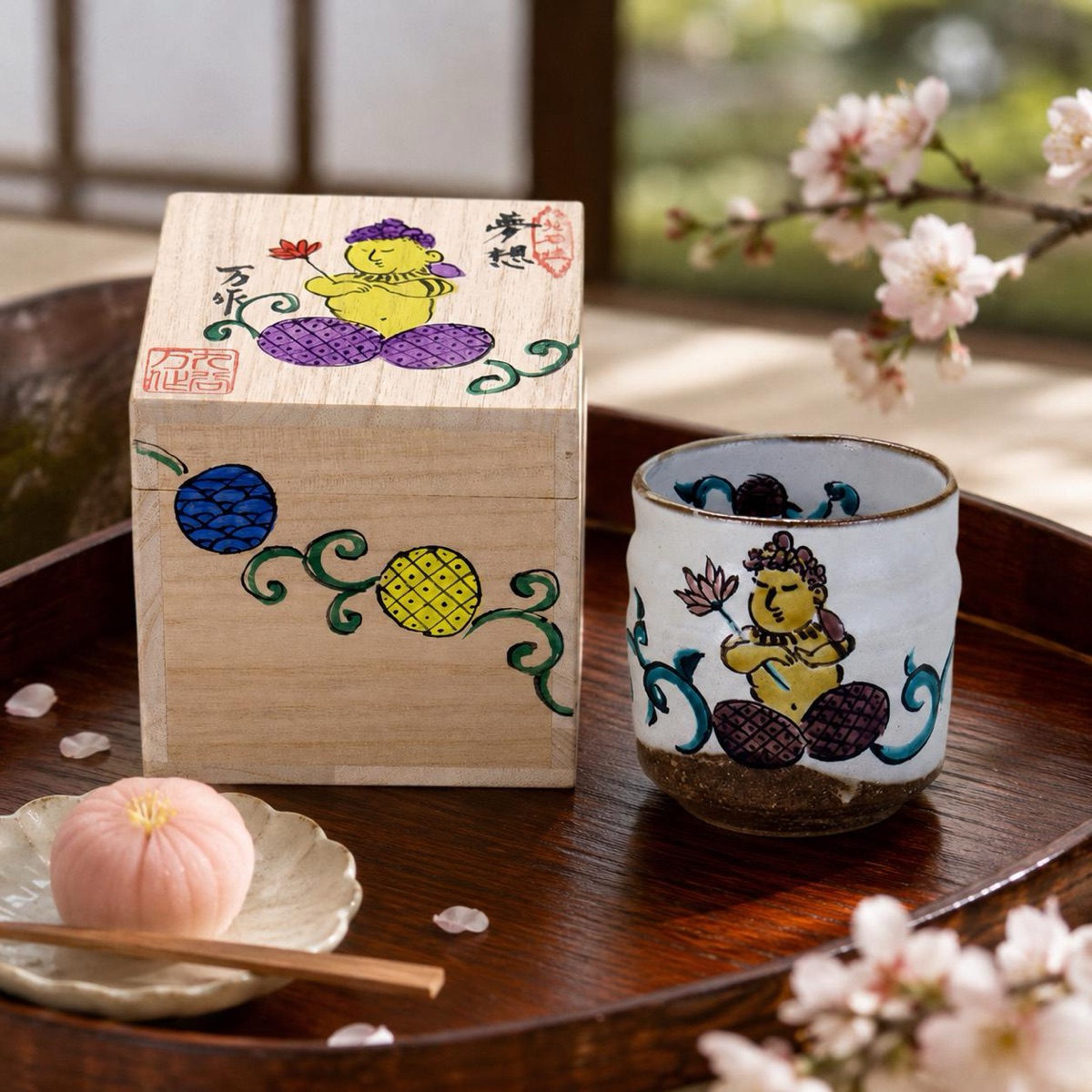
A Japanese tea corner is a small, calm place for everyday tea: one cup, one tray, enough storage, and a surface that stays uncluttered. Start with a yunomi for brewed tea, add a cloth or cushion for texture, and keep incense or flowers optional rather than crowded. The setup should feel easy to reset.
What is a Japanese tea corner?
A Japanese tea corner is a compact home setup for making and drinking tea without building a formal tea room. It can be a shelf, desk edge, kitchen sideboard, low table, or window ledge. The point is not ceremony; the point is repeatable calm. A good tea corner keeps the daily tools visible enough to invite use but edited enough that the area still feels quiet. For NeoiAtelier, the strongest version uses made-in-Japan pieces with clear jobs: a cup for drinking, a tray for grouping, textile texture for softness, and one object for atmosphere.
Which tea cup should you choose first?
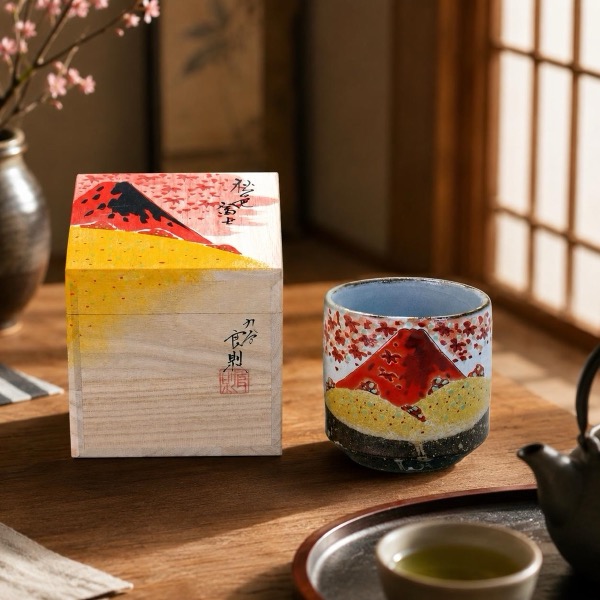
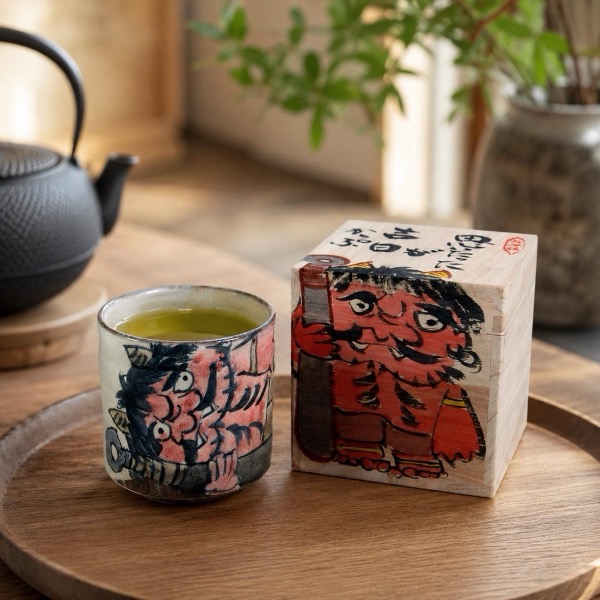
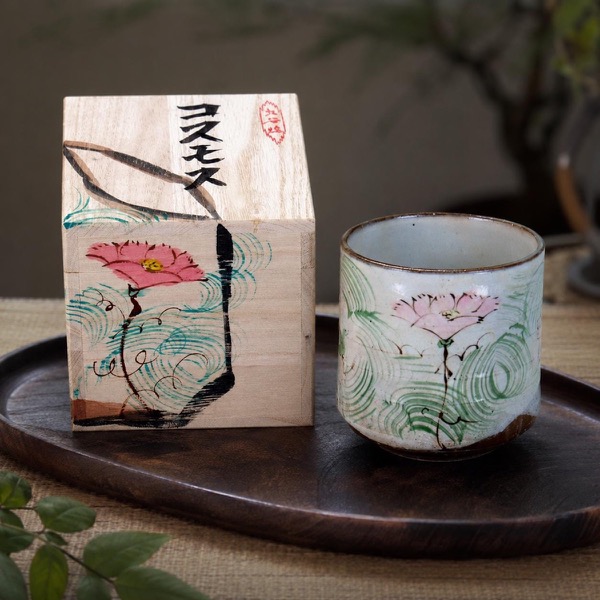
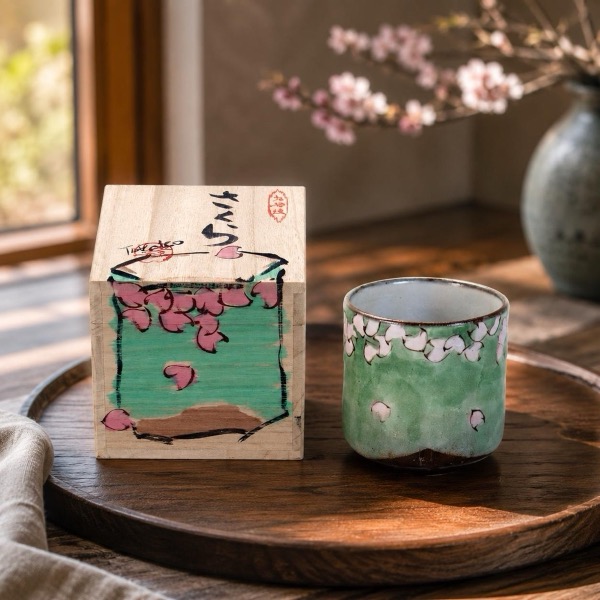
Choose the cup first because it decides the scale of the whole corner. A yunomi is the easiest starting point for brewed Japanese tea because it is tall, handleless, and made for daily drinking rather than whisking matcha. Current NeoiAtelier Kutani yunomi listings include 270 ml, 325 ml, and 385 ml capacities, so you can choose a focused small cup or a generous everyday size. Compare options in the Japanese tea cups collection, then read yunomi vs chawan if you also make matcha.
Where should the tea corner go?
Place the tea corner where the habit already happens. A kitchen counter works if you brew tea between tasks. A desk shelf works if tea supports writing or reading. A low side table works if the room has floor cushions or a quiet morning seat. Keep it away from direct sun, cooking steam, and crowded drop zones where keys and mail collect. The best location is not the most decorative one; it is the one you will keep clear enough to use every day. Leave space for one cup to sit safely while hot.
What objects belong in a simple setup?
A simple setup needs five objects at most: a yunomi, a small tray, tea storage, a cloth or cushion, and one atmosphere piece. The tray gives the arrangement a boundary. The cloth or cushion softens sound and adds textile warmth. Tea storage can be a small tin, box, or drawer nearby rather than a full display. The atmosphere piece might be a flower, a small koro, or a fan on the wall. If an object does not support drinking, storing, or resting the eye, leave it out. Negative space is part of the design.
Can incense be part of a tea corner?
Incense can be part of a tea corner when it stays separate from the cup and loose tea. Use it before or after drinking rather than during delicate tasting, and keep ash, smoke, and scent away from tea leaves. A small koro works well on a nearby shelf because it reads as porcelain art even when nothing is burning. For safe setup ideas, browse the Kutani incense burner collection and the guide to where to place an incense burner at home.
How do textiles make the corner feel warmer?
Textiles stop a tea corner from feeling like a row of hard objects. A linen cloth, small zabuton, or narrow wall hanging adds texture behind ceramic and wood. If the corner sits near an open doorway or shelf, a noren can also soften the edge of the room without closing it off. Keep the fabric dry, shaded, and away from splashing water. Start with the noren and textile collection if the space needs a larger background, or choose a small cushion when the surface is already busy.
How do you keep the space from looking cluttered?
Keep the space from looking cluttered by setting a visible limit before you add objects. One tray is a useful rule: if the core tools no longer fit on the tray, store the extras elsewhere. Use height variation only once, such as a cup beside a slightly taller tea tin or vase. Repeat one material, like porcelain, linen, bamboo, or wood, instead of mixing many finishes. Avoid lining up every cup you own. A single hand-painted Kutani yunomi has more presence when the surrounding objects give it room.
Where should you start?
Start with the cup you will actually use, then build the corner around that habit. A 325 ml Kutani yunomi is a balanced daily size; a smaller 270 ml cup feels more focused and gift-like; a 385 ml cup suits a longer desk tea break. Every NeoiAtelier piece is made in Japan and ships from Osaka. For a practical reference, see the Kutani yunomi Modern Daydream tea cup, then add only the tray, textile, or incense piece that makes the habit easier to keep.