Yunomi vs Mug: Which Cup Suits Daily Tea?
A yunomi suits daily tea when you enjoy smaller pours and holding the cup in your hands, while a mug is better when you want a larger drink or a handle. Neither form is universally better: choose the cup that fits your beverage, its temperature, and the pace of your routine.
What Is the Difference Between a Yunomi and a Mug?
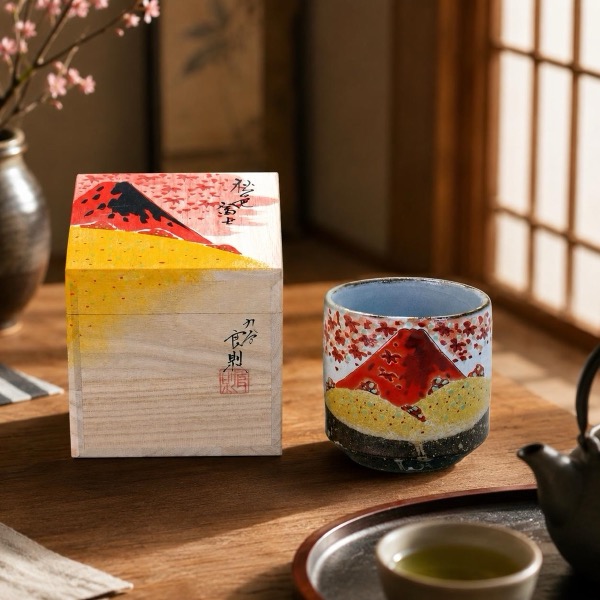
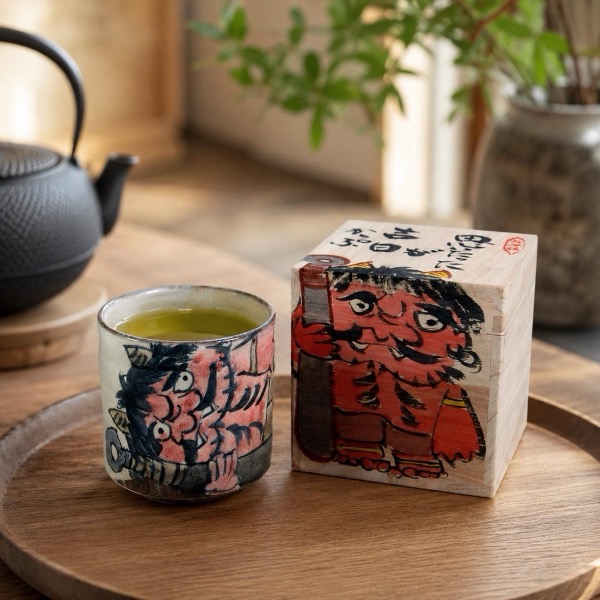
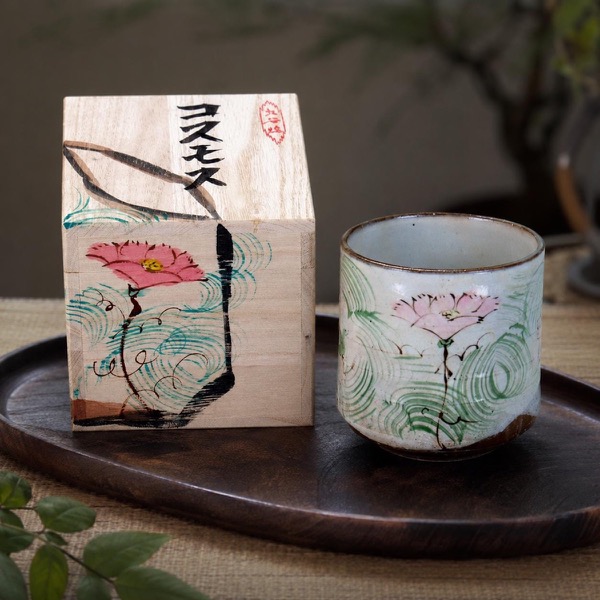
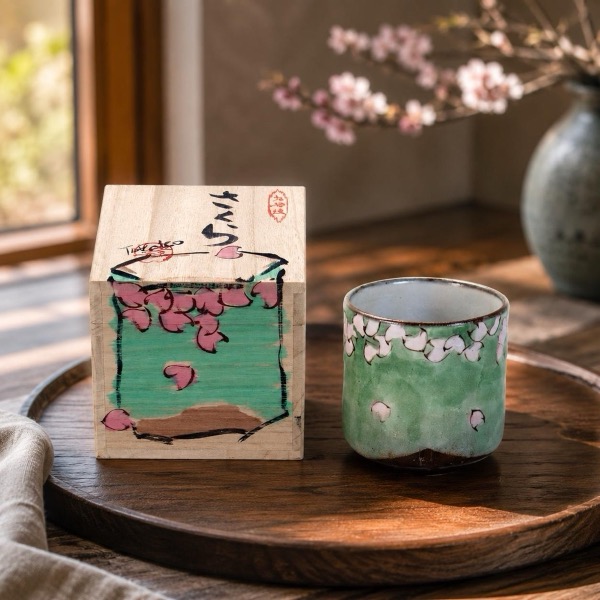
The clearest difference is the way each cup is designed to be held and used. A yunomi is a handle-free Japanese tea cup, commonly chosen for an individual serving of everyday tea. A mug has a handle and often holds more, making it familiar for a longer drink at a desk, breakfast table, or sofa. Those forms create different rhythms rather than a strict right and wrong choice. A yunomi asks you to pause for a smaller pour; a mug can carry a larger portion for longer. For the basic form and its daily role, read what a yunomi is, then explore the Japanese tea cups collection to see how hand-painted Kutani examples bring character to an ordinary tea break.
When Is a Yunomi Better for Daily Tea?
A yunomi is a strong choice when you prefer tea in smaller, attentive pours. Its handle-free form lets you hold the cup with one or both hands, so the warmth and texture of the ceramic become part of the pause. That can suit green tea, roasted tea, or any drink you like to finish while it is still fresh. The smaller format also makes it easy to pour again instead of committing to one large serving. It does not require a formal tea ceremony or specialised routine. A yunomi can simply be the cup you reach for after lunch, between tasks, or at the end of the day because it feels comfortable and visually pleasing in your hand.
When Does a Mug Make More Sense?
A mug makes more sense when capacity and a handle matter more than a small-pour ritual. It can be a practical choice for a long drink, for anyone who prefers a secure grip away from the hot body of the cup, or for a morning when you want to make one serving and continue with your work. A mug is not less thoughtful or less suited to tea; it simply supports a different habit. If you usually add milk, make a larger infusion, or sip over a longer stretch, a mug may be the more natural default. The useful comparison is not traditional versus modern. It is whether the cup supports the way you genuinely drink.
Does Drink Temperature Change the Choice?
Yes. Temperature affects how comfortable any handle-free cup feels, but it is not a reason to treat a yunomi as difficult to use. The heat you notice depends on the drink, the amount you pour, the thickness of the ceramic, and how long the cup has rested after pouring. If a drink is too hot to hold comfortably, give it time to settle and use the rim or lower part of the cup with care. A handled mug can be easier when you expect to carry a very hot drink immediately. A yunomi works best when you can enjoy the drink at a calmer pace. Our guide to using a yunomi explains the simple everyday approach, while the yunomi versus chawan guide clarifies its role among Japanese tea forms.
How Should Size Influence Your Decision?
Let the amount you normally drink guide the choice before appearance does. If you enjoy repeated smaller pours, a yunomi can make each one feel considered without adding effort. If you routinely prepare a generous serving and do not want to refill it, a mug may fit more easily. There is no ideal capacity for every tea drinker, and one household can comfortably use both forms. Look at individual product listings rather than guessing from a photo: the stated capacity, height, and shape give a more useful picture of how a cup will sit in your routine. Use the Kutani yunomi selection guide to weigh daily use, capacity, and motif before choosing a specific piece.
Can a Yunomi Replace a Mug?
A yunomi can replace a mug for many people, but it does not need to. You can use a yunomi for tea, coffee, or another drink if its size and feel suit you, and keep mugs for larger or hotter servings. The point is not to copy a prescribed Japanese habit. It is to choose an object that helps you notice a small part of the day without creating friction. A single yunomi can be especially satisfying when you want one personal cup rather than a matching service. Keep it clean, dry, and easy to reach so it earns its place through use rather than becoming something too precious to enjoy. For a simple between-use routine, see how to store Japanese tea cups safely.
How Should You Choose Between a Yunomi and a Mug?
Choose a yunomi when smaller pours, a handle-free grip, and a quieter tea pause sound appealing. Choose a mug when you want a larger serving, a handle, or a cup you can carry through a longer task. Both can be useful, and your preference can change with the drink, season, or time of day. Start with the habit you already have instead of buying for an imagined ritual. Every NeoiAtelier piece is made in Japan and ships from Osaka. Browse the Japanese tea cups collection to find a Kutani yunomi whose scale and painted character suit the daily pause you want to keep.