How to Choose Japanese Gifts for Cooks
Japanese gifts for cooks work best when they respect the way someone already uses a kitchen. Instead of guessing at tools or ingredients, choose one made-in-Japan piece that supports a pause before, during, or after a meal: a Kutani yunomi, a linen textile, a hand fan, or porcelain for a known incense enthusiast.
What Makes a Japanese Gift Useful to a Cook?
A useful gift for a cook should make an existing habit feel more considered, not introduce a gadget that competes for drawer space. Start with the part of their routine that you genuinely know. They may drink tea while reading a recipe, sit down with a warm drink after dinner, care about the view from the dining table, or enjoy a material object with a clear place at home. That information is more valuable than a broad assumption that every cook wants another kitchen tool. A handmade Japanese gift can feel personal because of its form, motif, and material, while still leaving the recipient in charge of how they cook. The best choice has a simple role, fits the space they already have, and is easy to enjoy during an ordinary week.
Should You Give a Tea Cup or Kitchen Equipment?
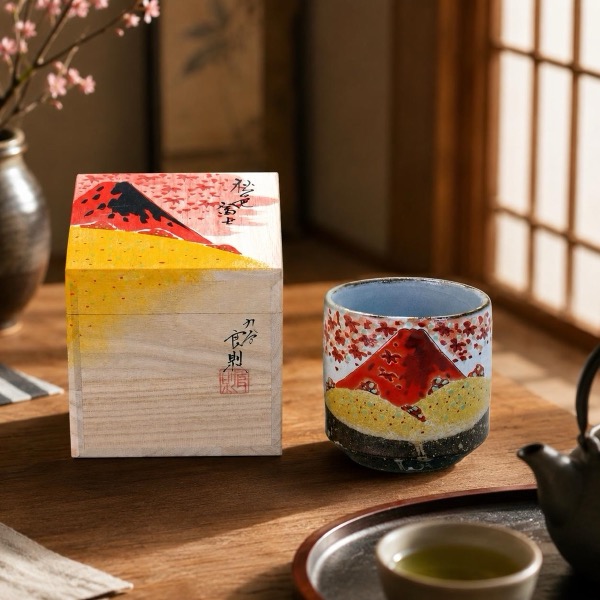
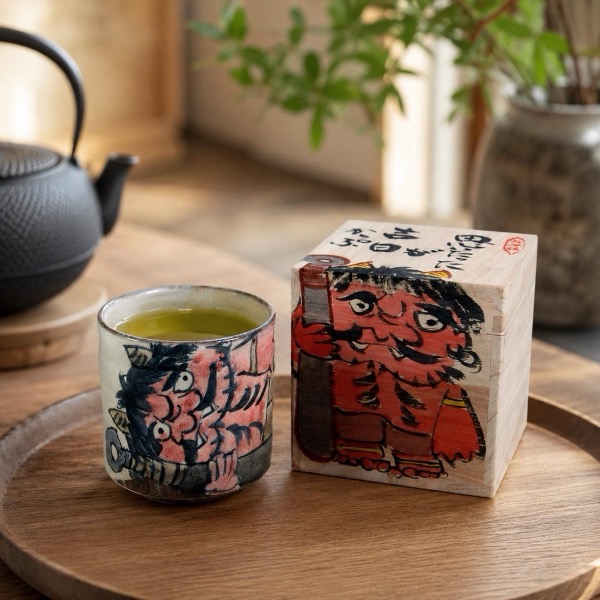
Choose a tea cup when you know the person enjoys a warm drink but do not know their exact kitchen setup. Pots, knives, appliances, and specialist tools are highly personal choices: a keen cook may already own a preferred version, have limited storage, or follow a particular method. A handle-free yunomi avoids those assumptions. It can be used for tea or another warm drink without requiring a formal tea ceremony, and it has a clear role once the cooking is finished. The point is not to turn every cook into a tea expert. It is to give a small object that can become part of a familiar pause. Browse the Japanese tea cups collection, then read what a yunomi is for a straightforward introduction to the everyday form.
How Can a Kutani Yunomi Suit a Cook's Routine?
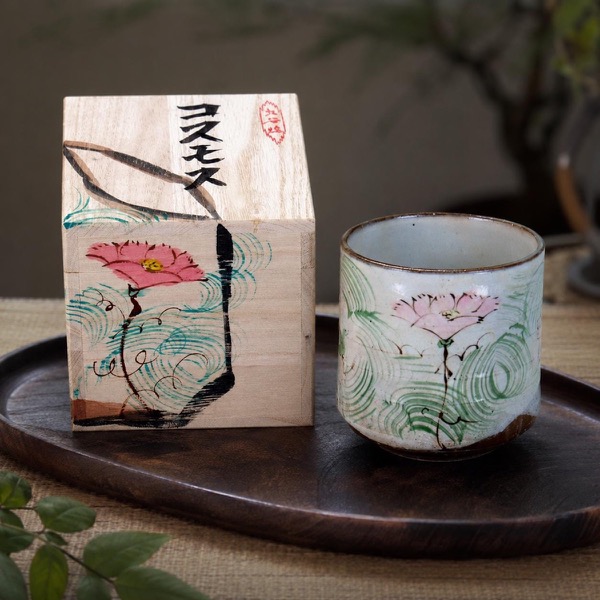
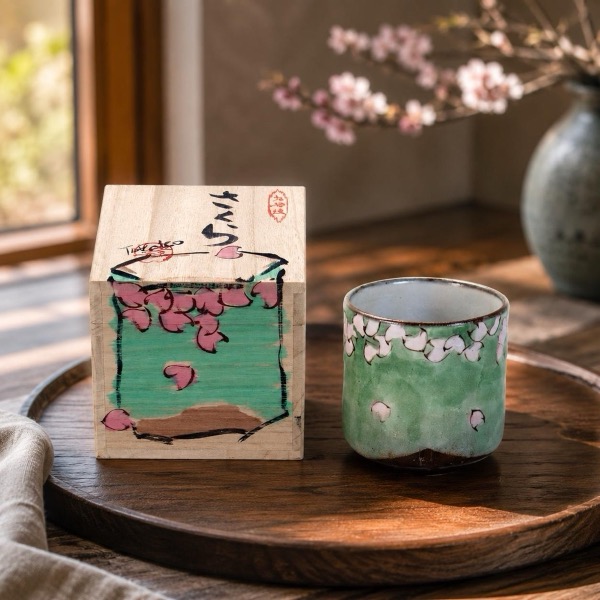
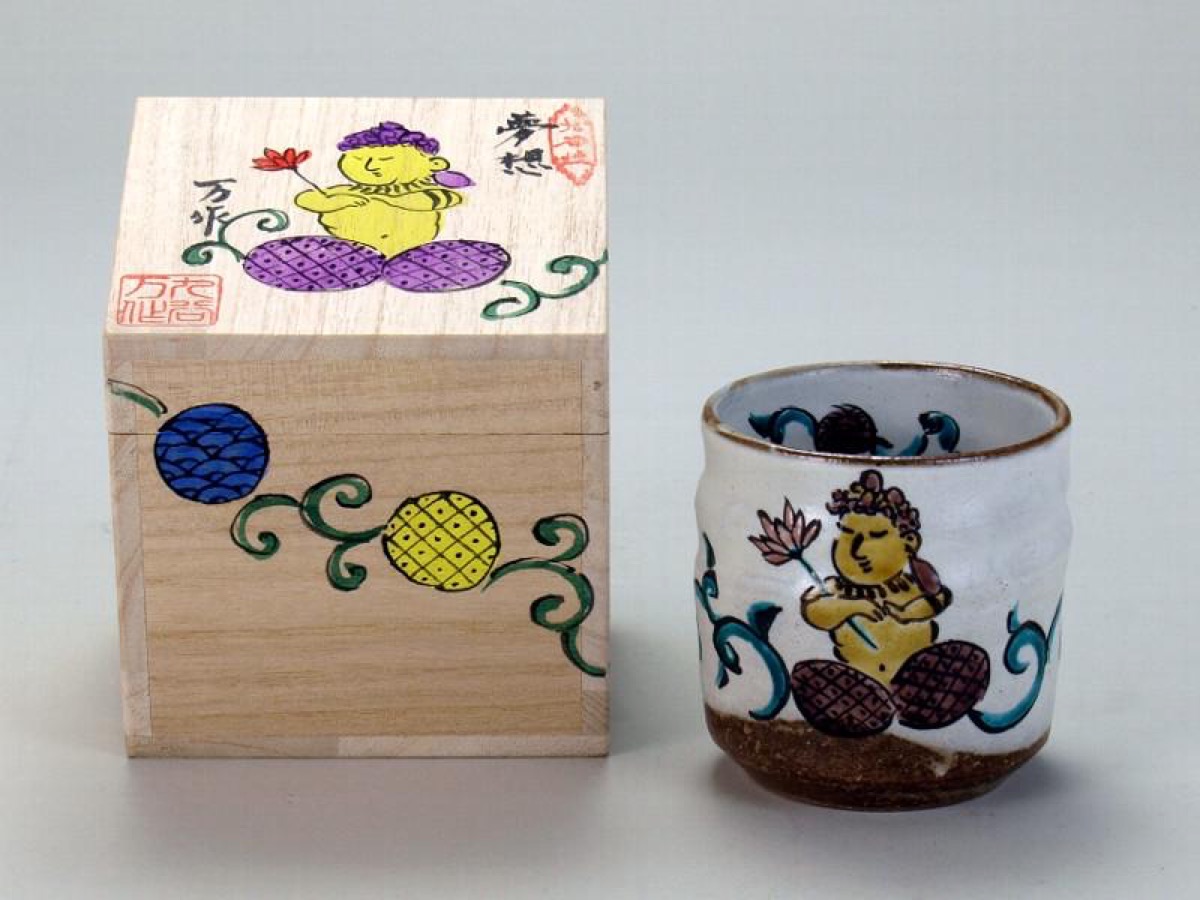
A Kutani yunomi suits a cook's routine when its size and motif match the kind of break they actually take. A compact cup can feel right for a brief moment at the counter or table, while a more generous capacity may suit a longer evening drink. NeoiAtelier's current Kutani yunomi listings include 270 ml, 325 ml, and 385 ml options, so the individual product page is the useful place to compare scale before giving one. Motif matters as much as capacity: choose a floral, landscape, or graphic design because it feels like the recipient, not because it is supposed to match every dish they serve. Use the Kutani yunomi selection guide to compare daily use, capacity, and motif before choosing a particular cup.
When Does a Linen Textile Make Sense?
A linen textile makes sense when you know the recipient's home well enough to picture where it will live. A noren can soften the view through an interior opening, and a small wall hanging can bring texture to a dining corner or a nearby wall. It is not a default gift for someone whose space you have never seen: size, colour, hanging method, and care all matter. But for a cook who values natural materials and has a clear place for one, a textile can make the area around meals feel warmer without crowding the work surface. Compare pieces in the noren and wall hangings collection, and use the noren size guide before selecting a panel for a specific opening.
Can a Japanese Fan Be a Good Gift for a Cook?
Yes, a Japanese fan can be a good gift for a cook when it is chosen as a light, personal object rather than a kitchen tool. An uchiwa has a rigid paddle shape, while a sensu folds away; that difference helps you choose between a visible seasonal accent and a compact piece that can be stored. Either can bring bamboo and linen texture to a dining space, reading chair, or shelf without taking up a counter. Keep it away from steam, splashes, and direct cooking heat, and choose one motif with enough visual calm to be enjoyed beyond summer. Explore the Japanese handcrafts collection, then see the Japanese fan display guide for placement ideas.
When Is a Kutani Koro the Better Choice?
A Kutani koro is the better choice only when the cook already enjoys incense or hand-painted porcelain. It can be appreciated as an object between uses, but burning incense requires a stable, heat-safe surface, ventilation, and attentive use. It should never be treated as a cooking accessory or placed beside food preparation. If fragrance preferences, pets, or household rules are unknown, a tea cup, fan, or textile is more considerate. When an existing interest in incense is clear, a koro can make a thoughtful after-meal or quiet-evening gift because it meets a ritual the recipient already values. For styles and practical considerations, browse the Japanese incense collection and read the guide to choosing a Kutani koro.
How Should You Choose a Motif?
Choose a motif from the recipient's taste rather than from a generic idea of food or hospitality. A botanical cup may suit someone who enjoys a garden or a bright breakfast table. A more graphic pattern can work for a person who likes bold ceramics, while a quieter landscape may be easier to live with in a room that already has colour and texture. Notice what they reach for, display, or talk about instead of assigning unverified symbolic meaning to a pattern. This approach also makes the gift easier to use: it can belong to a daily routine without becoming a themed kitchen ornament. One clear visual idea is usually more memorable than several objects that try to tell the same story.
How Do You Make the Final Choice Feel Personal?
Make the choice personal by connecting it to one real detail: their Sunday recipe project, the tea they make after dinner, a favourite colour, or the calm corner where they sit down after hosting. A short note that names that detail gives one well-chosen object more meaning than a large, speculative set. Every NeoiAtelier piece is made in Japan and ships from Osaka. Start with the Japanese gift guide, then choose the tea cup, textile, fan, or koro that supports the cook's real routine rather than an imagined kitchen.