Japanese Entryway Ideas for a Calm Welcome
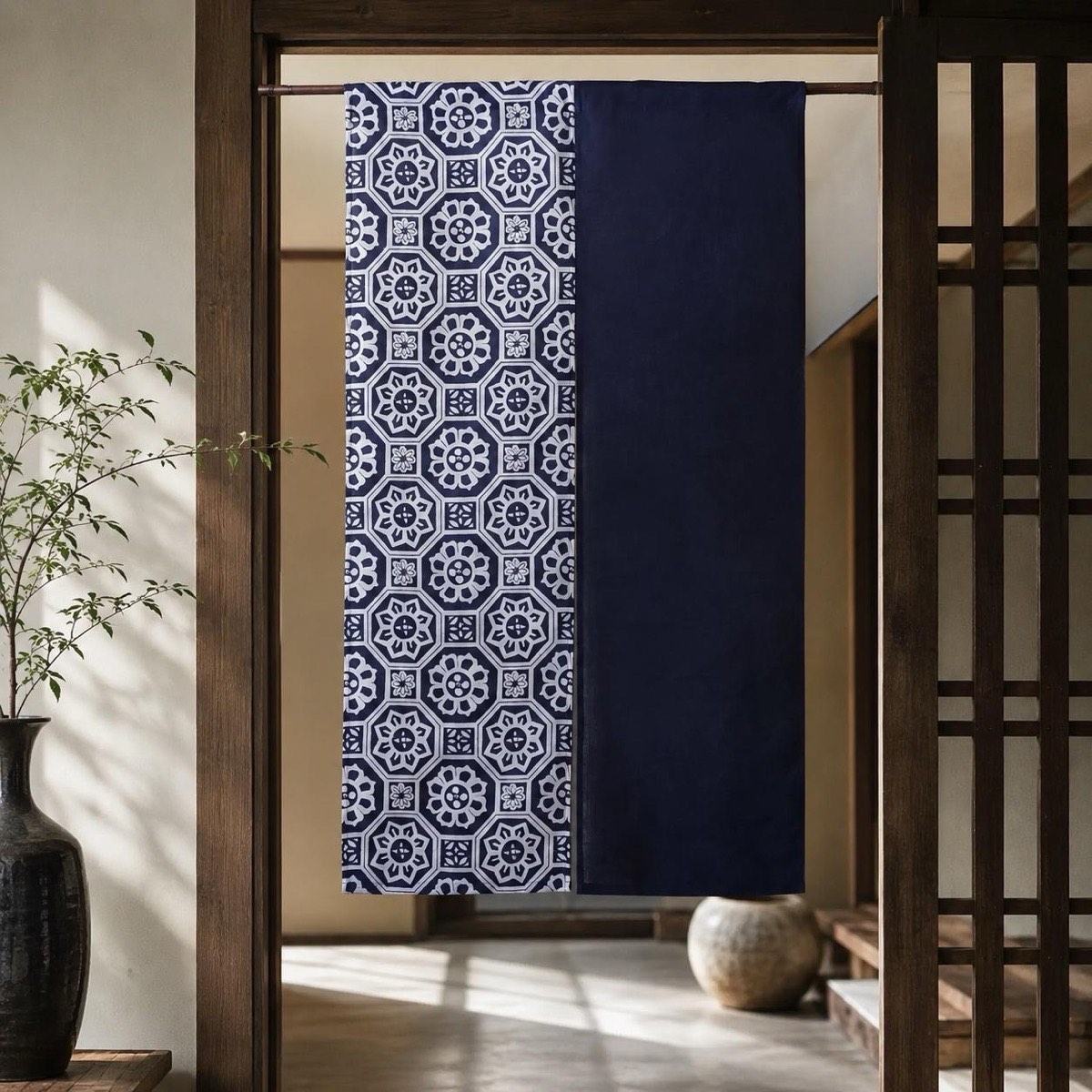
Japanese entryway design starts with a clear threshold. Keep shoes contained, leave one open landing surface, soften the view with a textile, and add only one handmade accent. The goal is not a theme, but a calm first step into the home that is easy to maintain every day.
What makes a Japanese entryway feel calm?
A calm Japanese entryway is organized before it is decorative. In Japan, the entry area is called a genkan: the place where outdoor shoes are removed before stepping into the home. Traditional homes may have a lower floor at the entrance and a raised inner floor, but the useful idea works in any apartment. Define the outside-to-inside boundary, contain shoes, and keep the first visible surface quiet. Current entryway coverage in 2026 keeps returning to the same practical problem: small foyers collect shoes, bags, coats, and keys quickly. Japanese craft can help only when it supports that order. A noren, koro, fan, or cup should make the threshold clearer, not turn it into a crowded display.
Where should you start in a small entryway?
Start with the floor and the first hand movement. Shoes need a clear place, keys need one small tray or shelf, and bags need a hook or bench that does not block the path. If your entry is a narrow hallway, avoid deep furniture and use vertical storage first. If it opens directly into a living room, create a visual pause with a textile, low cabinet, or wall accent. The most useful question is simple: what lands here every day? Once shoes, keys, and bags have homes, the handmade pieces can do their job quietly.
Can a noren work near an entryway?
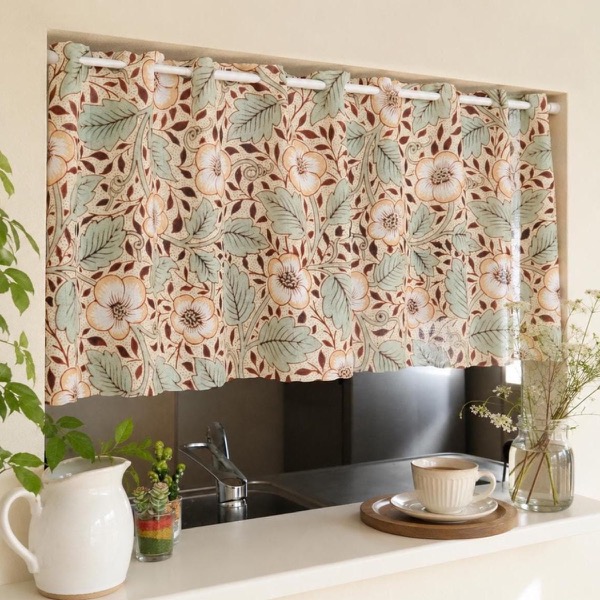
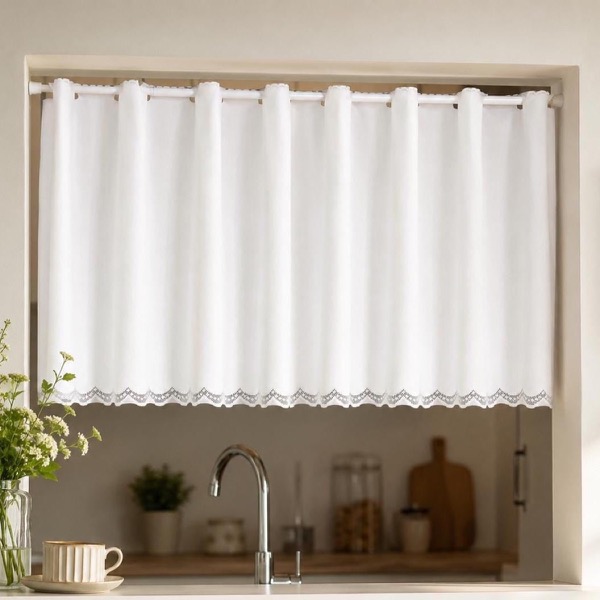
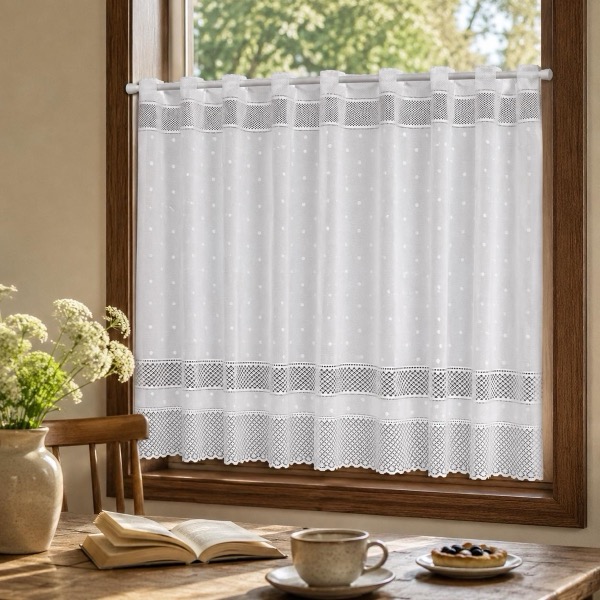
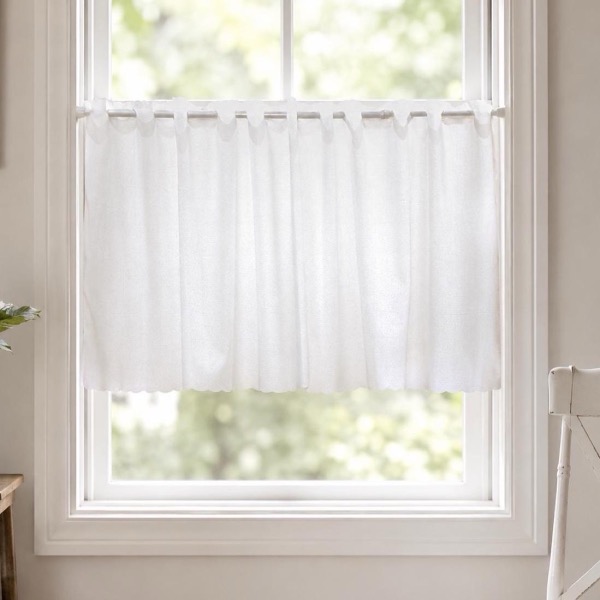
A noren can work near an entryway when it marks a transition or hides practical storage. Use one over a closet, laundry opening, shoe area, or hallway rather than forcing it onto the front door. A split textile keeps movement easy and softens the first sightline into the home. NeoiAtelier textile listings include doorway formats such as 33.1 x 59.1 in and 33.5 x 59.1 in, plus shorter cafe-curtain sizes for windows and shelves. Browse the noren and textile collection for door curtains, wall hangings, and small-space dividers.
How do you add scent without overwhelming guests?
Use scent before guests arrive, not as a constant cloud at the door. A short low-smoke incense session can make the entrance feel prepared, but it should never be burned unattended or near coats, paper, curtains, pets, children, or a crowded shoe area. Let the room ventilate, then keep the burner as a decorative object. A Kutani koro works especially well on a console because it remains a finished porcelain piece when unlit. Compare options in the Japanese incense collection and the guide to where to place an incense burner at home.
What handmade accent belongs by the door?
Choose one accent that can survive daily traffic. A linen uchiwa fan on the wall, a small textile panel, or one porcelain koro on a stable shelf is enough. Avoid fragile clusters where coats, elbows, umbrellas, or delivery boxes will hit them. A flat fan is useful near an entry because it adds shape without taking floor space, and it can be changed seasonally. For lightweight options, see the Japanese fan wall decor collection and the guide to displaying Japanese fans as wall art.
Should tea cups or trays be part of the entry?
A tea cup belongs in the entry only when it has a clear role. In a small home, a yunomi can hold wrapped sweets for guests, rest on a tray beside a welcome note, or become a useful object moved to the tea corner after arrival. Do not place open drinks near bags or shoes. If the entry has a console, one cup and one textile can create a warm first impression without clutter. Compare the Japanese tea cups collection with the guide to setting up a Japanese tea corner at home.
How do you keep the entryway from looking themed?
Keep the palette and count restrained. One textile, one vessel, one tray, and one storage solution are usually enough. Avoid mixing every Japanese object at the door: fan, koro, tea cup, noren, cushion, wall hanging, and multiple motifs will feel like a shop shelf. Let ordinary entryway needs lead the design. If the space needs privacy, choose a noren. If it needs a seasonal accent, choose a fan. If it needs atmosphere, use incense briefly and safely. If it needs storage, solve that first. The Japanese reference should be visible in the threshold logic and material quality, not in the number of objects.
What is a simple Japanese entryway gift?
A simple Japanese entryway gift should solve one visible problem. For a host with an open hallway, choose a linen noren or wall hanging. For someone who already uses scent, choose low-smoke incense or a small koro. For a compact apartment, choose one flat fan that can hang above a shelf. Every NeoiAtelier piece is made in Japan and ships from Osaka, and the curation favors practical handmade objects that can stand alone. For broader browsing, compare the Japanese gifts collection with Japanese gifts under $150, then choose by the recipient's real entryway.