Japanese Gifts for Grandparents: 6 Thoughtful Ideas
Japanese gifts for grandparents are most thoughtful when they fit a real everyday pleasure rather than asking for a new hobby or more storage. A made-in-Japan tea cup, hand fan, linen textile, or small home accent can feel personal when you choose for the recipient's routine, space, and taste.
What Makes a Gift for a Grandparent Feel Thoughtful?
A thoughtful gift begins with a familiar part of the recipient's day. Think about whether they enjoy a warm drink, keep a comfortable reading chair, appreciate a small seasonal object, or have a home style you know well. The best choice is usually one clear object rather than a large themed bundle. It should be easy to lift, find a place for, and enjoy without a special occasion. This approach also removes pressure to guess at an entire collection or a new pastime. A small piece of craft can be memorable because it fits naturally into a quiet tea break, a shelf, or an entryway they already use. Let a short note carry the personal message, while the object itself stays useful and uncomplicated.
Is a Japanese Tea Cup a Good Gift for Grandparents?
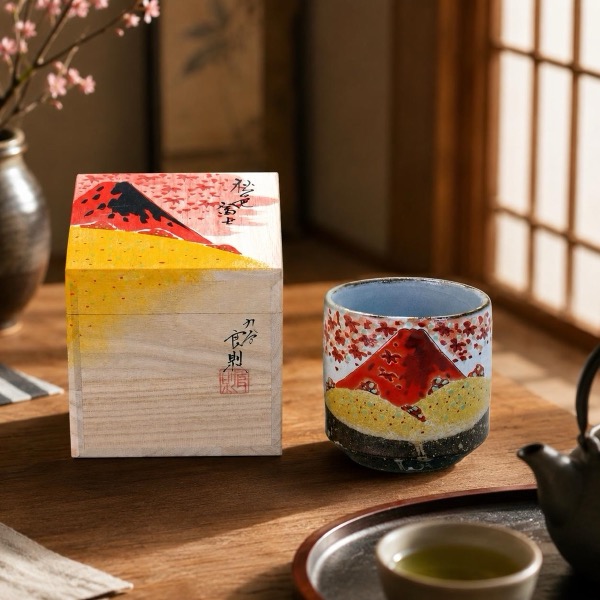
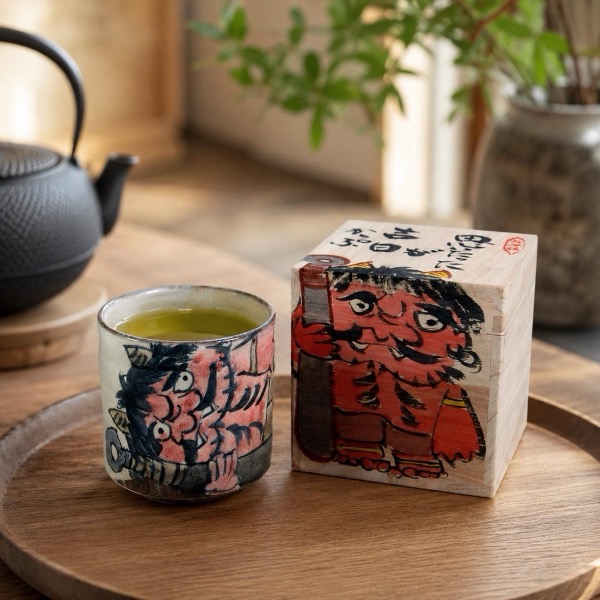
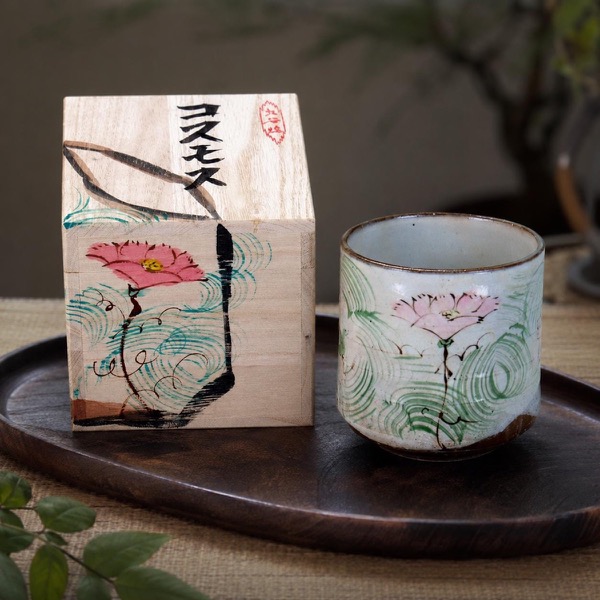
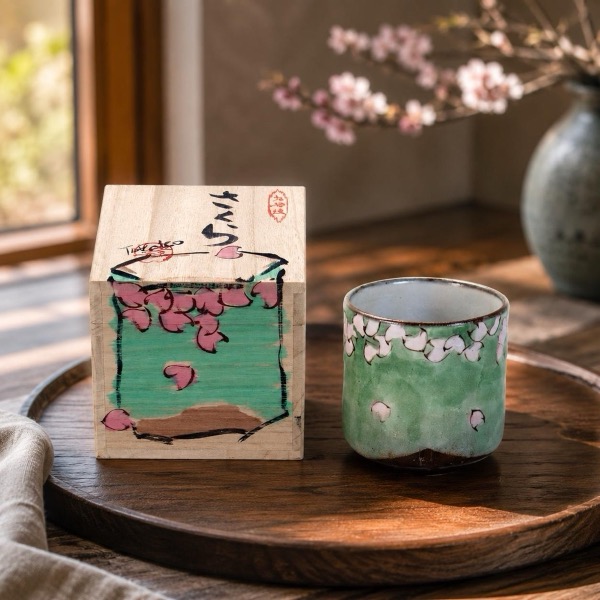
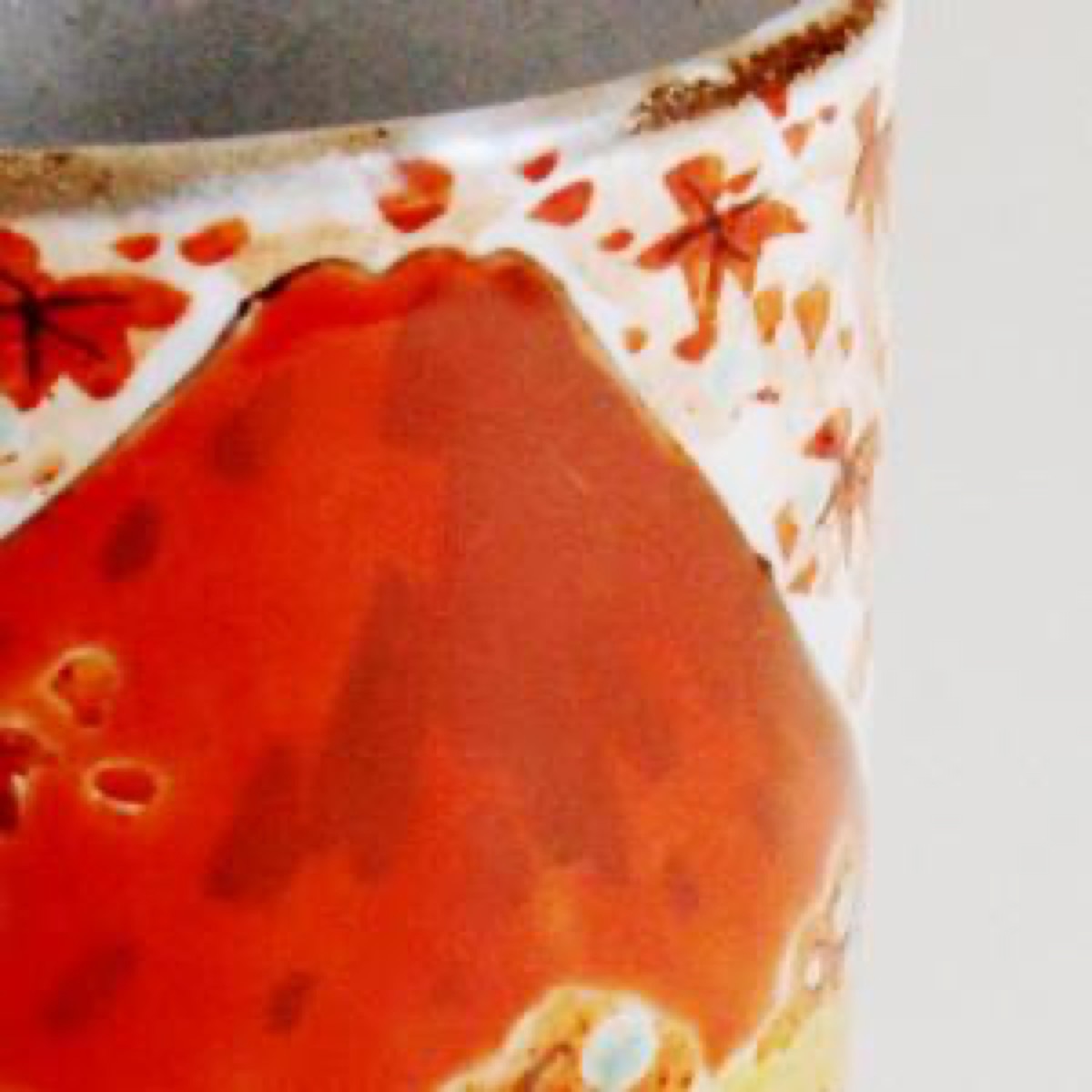
A Japanese tea cup is a good gift for a grandparent who already enjoys tea, coffee, or another regular warm drink. A yunomi is a handle-free cup intended for everyday use, so it can make an ordinary pause feel more considered without requiring a formal tea practice. Capacity is a practical way to narrow the choice. NeoiAtelier's Kutani yunomi include approximately 9-, 11-, and 13-ounce options, giving you a starting point for a shorter or longer drink. Motif should come after daily use: choose a floral, landscape, or contemporary design only when you can imagine the recipient enjoying it repeatedly. One well-chosen cup is often easier to welcome than a set that needs matching space.
How Do You Choose a Tea Cup Without Guessing?
Choose a tea cup by the person's actual habit first, then by its visual character. Consider how much they usually pour, where the cup will rest between uses, and whether they prefer an understated or expressive pattern. Do not assume that a handmade cup is suitable for every appliance or washing routine; check the individual product listing and care information before ordering. A cup that feels comfortable to hold and fits an existing kitchen shelf has a better chance of becoming a favorite than one chosen only for an occasion. Browse the Japanese tea cups collection for painted Kutani yunomi, then use the Kutani yunomi selection guide to compare capacity, motif, and everyday role.
When Is a Japanese Hand Fan the Right Choice?
A Japanese hand fan can suit a grandparent who appreciates a light, portable object with a place in daily life or on display. A folding sensu stores compactly between uses, while an uchiwa has a simple paddle form that can stay near a chair or become a small craft accent at home. Choose a fan when you know the recipient enjoys colour, pattern, or seasonal objects, because those details are central to its appeal. It is better to choose one fan with a motif they will enjoy than to treat it as a generic souvenir. Explore the Japanese handcrafts collection for bamboo and linen fan options, and read the Japanese hand fan guide before choosing between a folding and paddle style.
Could a Linen Textile Suit Their Home?
A linen textile can be a meaningful gift when you know the recipient's home and they enjoy soft light, texture, or a more defined threshold. A noren can work at an interior opening, pantry, or calm corner when the measurements and hanging position suit the space. It is not a universal choice, because a textile needs a place to live and its motif will be visible every day. That makes it strongest for someone whose style you know reasonably well. One textile can add warmth without changing how a room works. See the linen noren collection and read the noren size guide before selecting a piece for a particular opening.
When Does a Kutani Koro Make Sense?
A Kutani koro can be a considered gift for a grandparent who already enjoys incense or collects painted porcelain. Choose one only when the recipient has a stable, heat-resistant place to use it and an established interest in incense. If you are uncertain about scent preferences, household rules, pets, or whether they intend to burn incense, a tea cup or fan is usually the simpler option. A koro may also be appreciated as a decorative object, but the gift should never require the recipient to adopt a routine they did not choose. For styles and practical considerations, browse the Kutani incense collection and our guide to choosing a Kutani koro.
How Can You Keep the Gift Personal but Easy to Receive?
Keep the gift personal by matching it to one known habit and by writing a short, specific note. Mention a shared tea, a family memory, a story they told, or a hope that they will enjoy a quiet moment with the piece. Avoid choosing a large object simply because the relationship feels important. A single cup, fan, textile, or koro gives the recipient room to decide where it belongs, and it lets the gesture remain warm rather than demanding. Every NeoiAtelier piece is made in Japan and ships from Osaka. That verified craft and curation context can add meaning, while a short note makes the present unmistakably personal.
Where Should You Begin?
Begin with the recipient's existing routine and choose one object with a clear use. A Kutani yunomi is a practical start for a tea drinker, a hand fan suits someone who enjoys a portable seasonal accent, a linen noren works when you know their space, and a koro is best for an established incense or porcelain interest. Start with the Japanese tea cups collection, then compare the everyday yunomi form and the care guide. Choose the piece that feels natural in their day, and let your note do the rest.