Japanese Gifts for Him: A Thoughtful Home Guide
Japanese gifts for him are most successful when they fit a real habit at home. A made-in-Japan tea cup, hand fan, linen textile, or Kutani koro can be useful and memorable without asking him to change his space or routine. Begin with one well-made object whose purpose is immediately clear.
What Makes a Japanese Gift for Him Thoughtful?
A thoughtful Japanese gift reflects the way a person already lives rather than a broad idea of what he should like. Think about the small habits you have noticed: making tea before work, keeping a shelf clear, enjoying a quiet evening, or arranging one useful object on a desk. The strongest choice has a role in one of those moments. It does not need to be a large set or a highly decorative statement. A single crafted object gives the recipient room to decide where it belongs. Start with use as well as material: porcelain can become part of a daily drink, linen can soften a threshold, and bamboo can bring a light graphic note. That makes the gift personal without making it prescriptive.
Is a Japanese Tea Cup a Good Everyday Gift?
A Japanese tea cup is a strong choice for someone who enjoys a daily warm drink and appreciates an object that becomes familiar through use. A yunomi is a handle-free cup made for everyday tea, so it can sit naturally on a breakfast table, a desk, or an open shelf without requiring a formal tea setting. One distinctive cup can feel more personal than a matching set because it becomes part of an ordinary pause. Choose a motif or color that can live with the tableware he already owns instead of trying to predict an entire collection. Browse the Japanese tea cups collection and the yunomi guide before choosing the form.
When Does a Japanese Fan Make Sense?
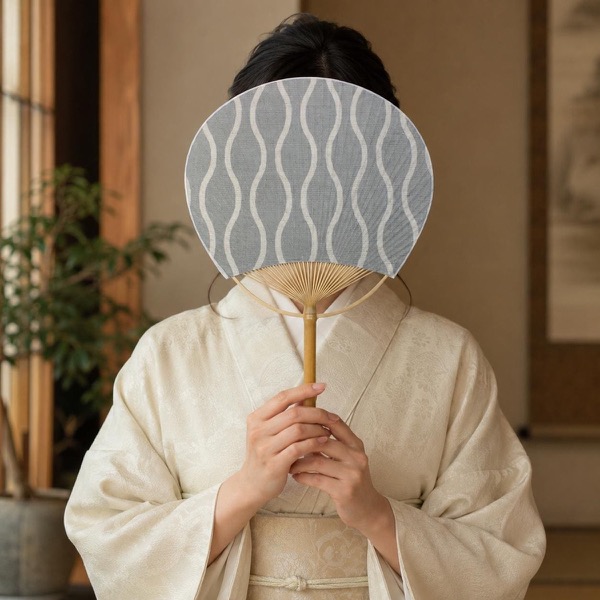
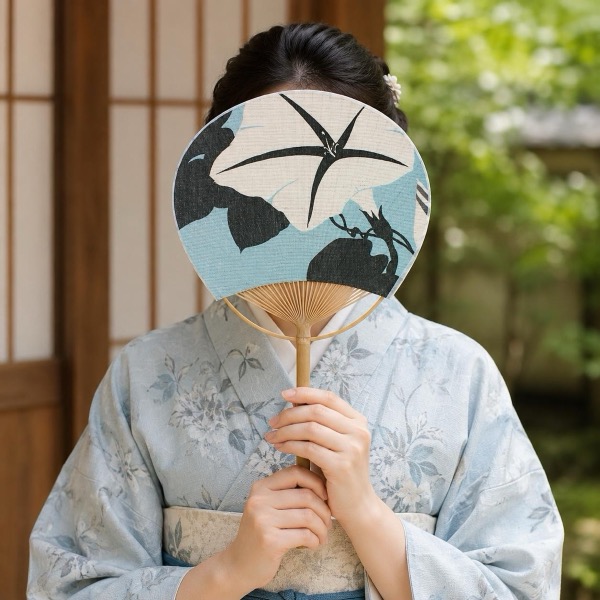
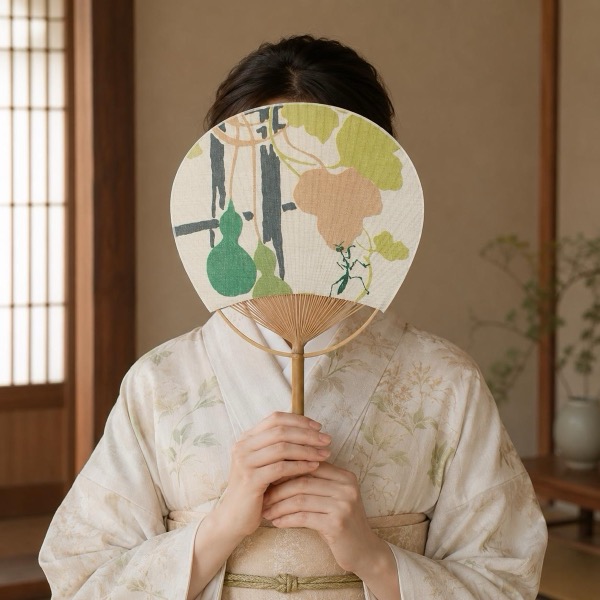
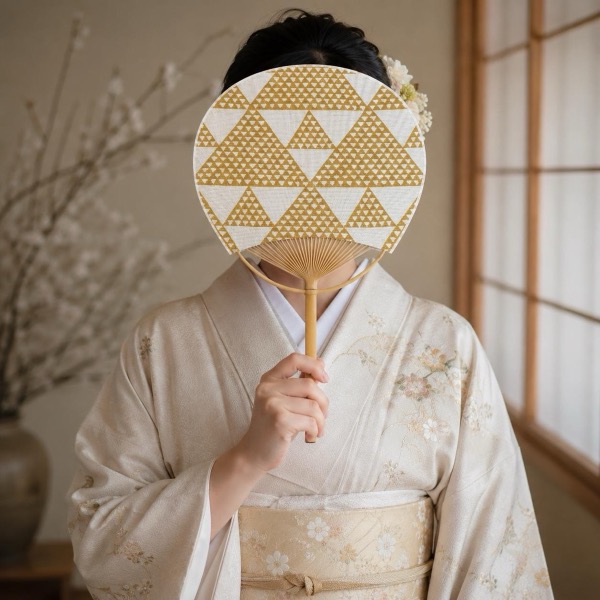
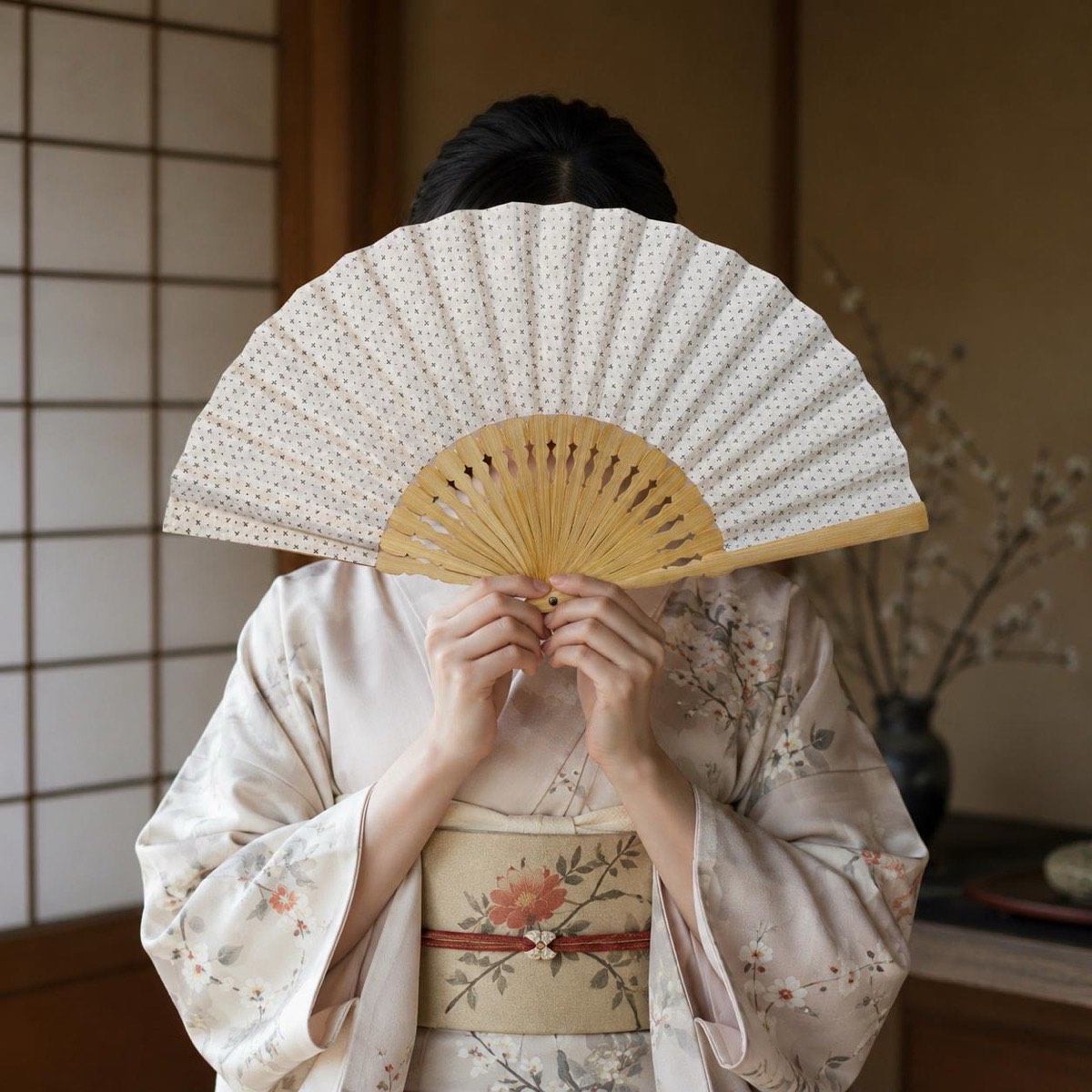
A Japanese fan makes sense when you want to give a useful craft object that needs very little space. An uchiwa is a rigid fan with a bamboo frame, while a sensu folds; both can be used in warm weather or displayed when not in use. A fan is especially practical for someone who likes natural materials, travel-friendly objects, or one quiet visual accent rather than a larger furnishing decision. Let one motif have visual breathing room instead of pairing it with several smaller ornaments. That restraint helps a fan feel considered on a shelf, desk, or wall. See the Japanese handcrafts collection and the fan display guide for useful placement ideas.
Could a Linen Textile Suit His Home?
A linen textile can be the right gift when you know there is a doorway, wall, or storage opening that would benefit from a softer boundary. A noren can separate two areas without closing them off, while a smaller hanging can add natural texture without taking over a room. It is more personal than a tea cup or fan because it needs a suitable place, so choose it when you have some sense of his space. Look for one pattern that works with the room's existing colors and let the textile be the main visual note. Explore the noren and wall hangings collection, then use the noren size guide to consider placement before giving one.
When Is a Kutani Koro the Right Gift?
A Kutani koro is a memorable choice for someone who already enjoys porcelain, incense, or a carefully arranged shelf. It can be appreciated as a decorative object between uses, which makes it a more lasting choice than a scent alone. Because burning incense requires a stable, heat-resistant surface, ventilation, and attention while it is lit, a koro suits a person whose habits and taste you know. It is not an automatic gift for every home, and it should never be chosen just because it looks impressive in a photograph. Choose it when the recipient will value both the painted porcelain and the quiet ritual around it. Visit the Japanese incense collection and the koro use guide before selecting one.
How Do You Choose Without Guessing?
Choose by daily use, scale, and material rather than by a generic idea of a gift for him. A tea cup suits a regular tea drinker. A linen textile works for someone who enjoys natural fibers and has a clear opening or wall. A fan is useful when he likes a small handmade accent, while a koro is better for a known incense or porcelain enthusiast. If you have not seen his home, avoid large decor, strongly scented items, or anything that needs special installation. Select the smallest object whose purpose will be obvious when it is opened. This gives the recipient freedom to make the piece part of his own routine instead of asking him to make room for an unfamiliar theme.
Should You Give One Object or a Small Pair?
Start with one object, then add a companion only when it supports the same habit. A tea cup can stand alone; a fan needs no extra item; and a koro may suit someone who already has an incense routine. Pairing a textile with another large decorative object can make the gift harder to place, while combining too many materials can dilute the choice. A small, clear gesture is more useful than a box of unrelated Japanese-themed items. Every NeoiAtelier piece is made in Japan and ships from Osaka. For a focused starting point, browse Japanese gifts for him or compare Japanese gifts under $150, then choose the piece that fits the person rather than the occasion alone.
Where Should You Start When Buying?
Start with the routine you know best. Choose a yunomi for someone who makes tea, a fan for someone who values a light handcrafted object, a linen textile for a familiar room, or a koro for a known incense or porcelain enthusiast. The Japanese gifts for him collection brings these choices together so you can compare one meaningful object at a time.