Japanese Gifts for Parents: 6 Thoughtful Ideas
Japanese gifts for parents are most thoughtful when they suit a shared routine rather than filling the home with more things. Choose one made-in-Japan piece that fits how they already pause, welcome people, or enjoy a room: a Kutani yunomi, a fan, a linen textile, or a koro for a known incense enthusiast.
What Makes a Japanese Gift Right for Parents?
A good gift for parents begins with an ordinary scene you know they share. It may be tea after dinner, a favourite chair near a window, a carefully kept shelf, or a doorway that could use softness. This is different from choosing two matching objects simply because there are two recipients. One well-chosen piece can feel more generous when it belongs naturally to their home and can be enjoyed together or in turn. Think first about their habits, their available space, and the materials they already like. Then choose the smallest object that has a clear purpose. A handmade gift need not transform the room or announce a milestone loudly; it can be a quiet, durable part of the life they already have.
Which Six Japanese Gifts Work for a Shared Home?
Six useful starting points are a Kutani yunomi for a regular tea drinker, a second cup only when you know both parents want one, a linen uchiwa, a folding sensu, a linen textile, and a Kutani koro for someone who already enjoys incense. These are not interchangeable. A cup supports a daily drink, while a fan adds a lightweight seasonal object. A textile needs a known wall or opening, and a koro needs an appropriate, heat-safe place when it is used for incense. The right choice is the one that asks the least of the recipients after it arrives. Begin with the routine you can describe clearly, rather than building a themed set from a general idea of Japanese craft.
When Is a Kutani Yunomi the Right Gift?
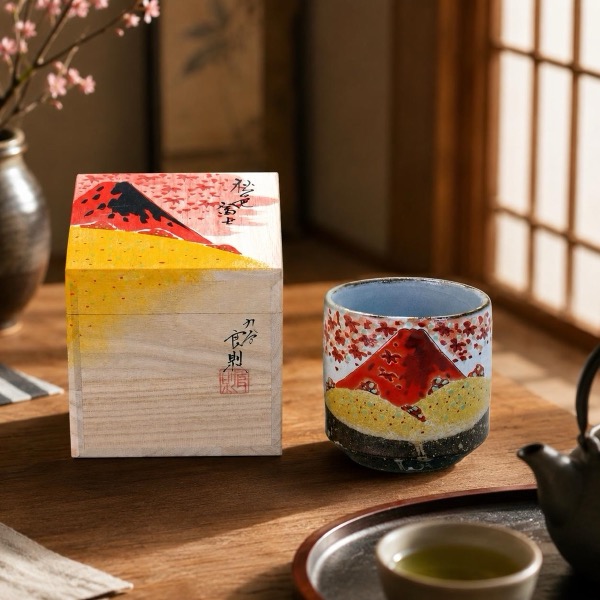
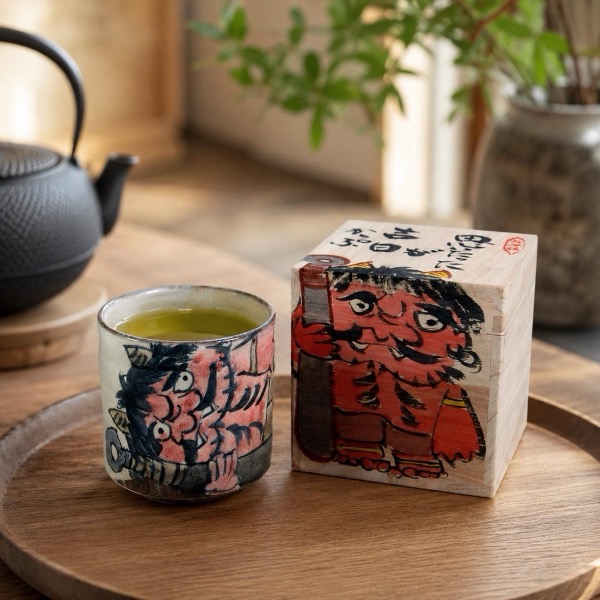
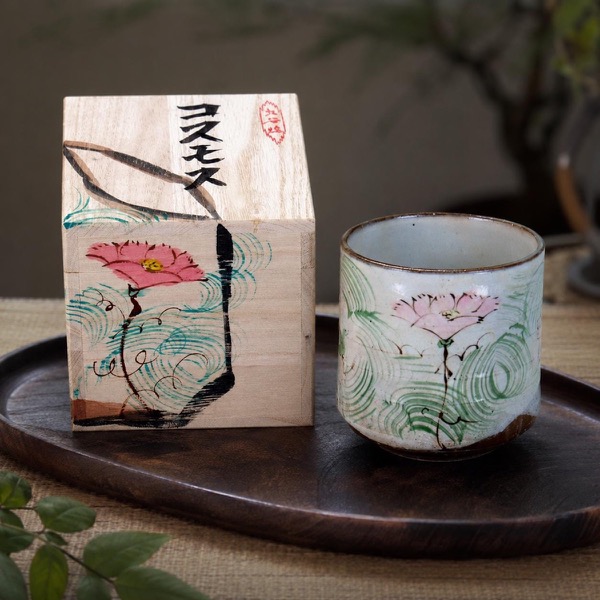
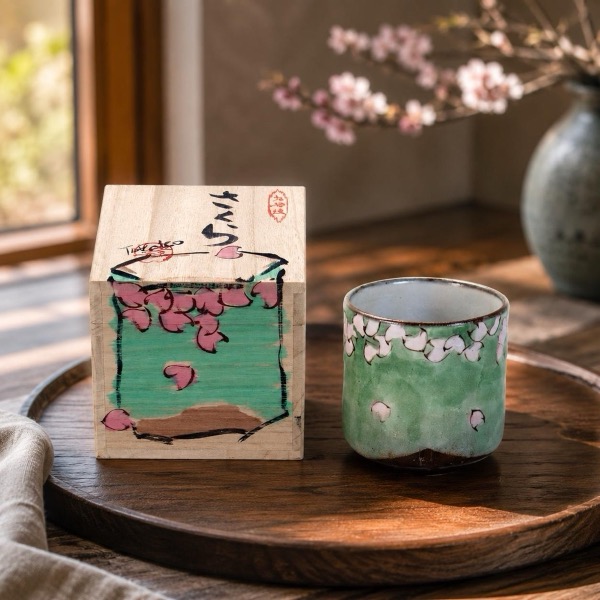
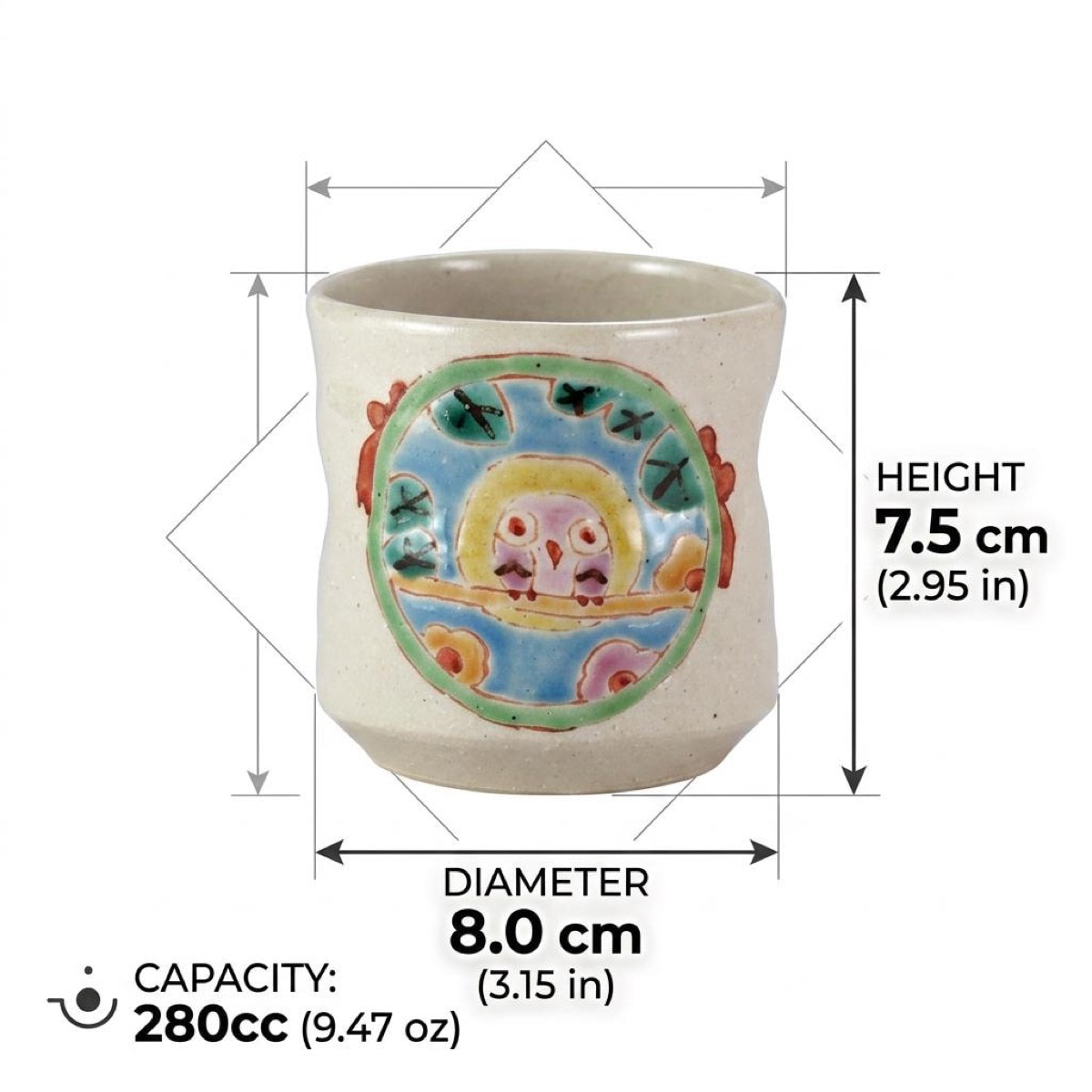
A Kutani yunomi is a strong gift when one or both parents already enjoy a regular warm drink and appreciate a handle-free cup. It can become part of a morning or evening pause without requiring a formal tea setting. Choose a single cup if one person has the clearer tea habit, and choose two only when you know that a pair suits their routine and cupboard space. Capacity, hand feel, and motif are more useful guides than an assumption that every parent gift should match. Current NeoiAtelier Kutani yunomi listings include 270 ml, 325 ml, and 385 ml options, so the individual product page is the right place to compare a more compact or more generous cup. Browse the Japanese tea cups collection, then use the Kutani yunomi selection guide before choosing a particular piece.
Could a Japanese Fan Suit Their Home?
A Japanese fan can suit parents who enjoy a tactile, easy-to-place object but do not need another cup or large decorative piece. An uchiwa has a rigid paddle form, while a sensu folds away; that difference helps you choose between a visible accent and a compact item that can be put away between uses. Both forms can be considered for warm weather or for a simple shelf or wall arrangement, provided the recipients enjoy the material and motif. A fan is often easier to give than a large object because it does not require a redesign of the room. It still needs a clear visual role, however. Choose one fan with a pattern they will be pleased to see rather than several pieces competing for attention. Explore the Japanese handcrafts collection, and see the Japanese fan display guide for practical placement ideas.
When Does a Linen Textile Make More Sense?
A linen textile is the more personal choice when you know the parents' home well enough to picture its place. A noren can soften an interior opening, while a wall hanging can give a calm wall one clear focal point. Neither is a safe default for an unfamiliar space: colour, scale, and installation all matter. But when you know their preference for natural fibre, a doorway, or a quiet reading area, a textile can become part of the room rather than another object on a shelf. Measure before choosing a piece for a particular opening, and keep the surrounding styling simple so the material can be noticed. Compare options in the noren and wall hangings collection, then consult the noren size guide before selecting a panel.
Is a Kutani Koro a Thoughtful Gift for Parents?
A Kutani koro is thoughtful for parents who already enjoy incense, hand-painted porcelain, or a carefully arranged shelf. It is not a general-purpose gift simply because it is beautiful. Burning incense requires a stable, heat-safe surface, ventilation, and attentive use, and household preferences about fragrance matter. If those conditions are known, a koro can be appreciated as porcelain between uses and used as part of an existing routine. If they are not known, a yunomi, fan, or textile is usually a more considerate choice. This distinction is important: a meaningful gift should meet an interest the recipients already have, not assign them a new ritual to maintain. For styles and selection considerations, visit the Japanese incense collection and read the guide to choosing a Kutani koro.
How Do You Choose Without Guessing?
Choose by shared routine, available space, and the amount of care the object asks for. A yunomi is a clear choice when you know a tea habit. A fan works when they value a small material accent. A linen textile works when you know the room and have measured the likely location. A koro works only for known interest in incense or painted porcelain. If you are unsure between two categories, choose the one that is easier to use, store, and enjoy without a change to the home. A short note can make the choice personal: mention the tea break, room, colour, or material that made you think of them. That is more useful than giving a long explanation of what the gift is supposed to mean.
Where Should You Start?
Start with the one shared moment you recognize: tea after a meal, a quiet chair, a doorway, or a shelf they have already made their own. Then choose one object that supports that moment without creating clutter or obligation. Every NeoiAtelier piece is made in Japan and ships from Osaka. Begin with the Japanese gift guide, then choose the tea cup, fan, textile, or koro that fits the parents' real home rather than an imagined version of it.