Japanese Guest Room Ideas for a Calm Welcome
A Japanese guest room works best when it feels useful before it feels styled. Start with a clean sleeping surface, one soft textile, one tea or water vessel, one gentle scent option, and one handmade object with space around it. The result is calm, welcoming, and easy for visitors to understand.
What makes a Japanese guest room feel welcoming?
A welcoming Japanese guest room is edited, tactile, and practical. Current 2026 home coverage is moving away from cold showrooms and toward warmer rooms with craft, texture, and personality. For a guest space, that does not mean adding more decor. It means choosing fewer objects with clearer roles: a textile that softens the room, a cup for the bedside tray, a small scent ritual used before the guest arrives, and a lightweight accent that can be moved if the visitor needs space. Keep surfaces open for a phone, glasses, book, and water. The most respectful guest room is one that looks considered but still lets the guest unpack, rest, and use the room without asking how anything works.
Where should you start in a small guest room?
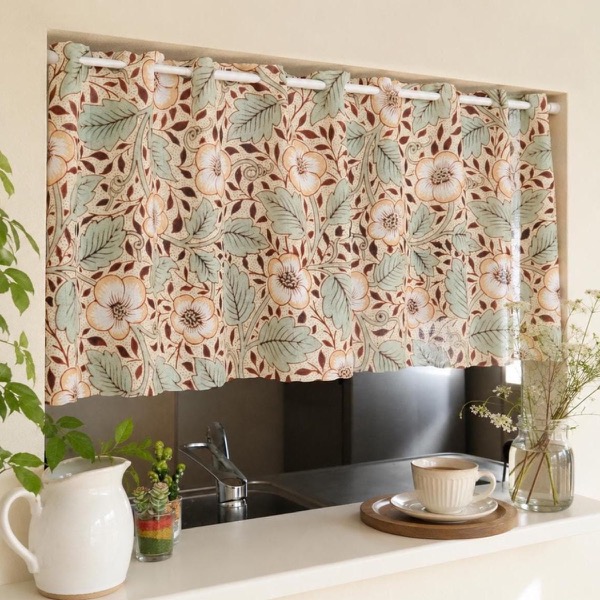
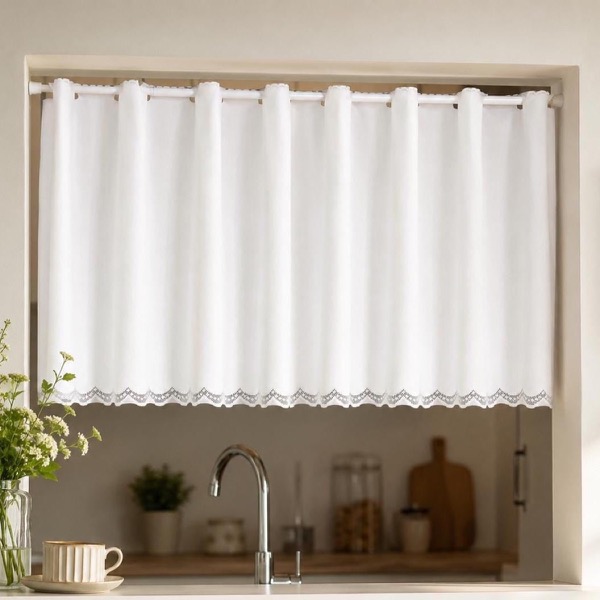
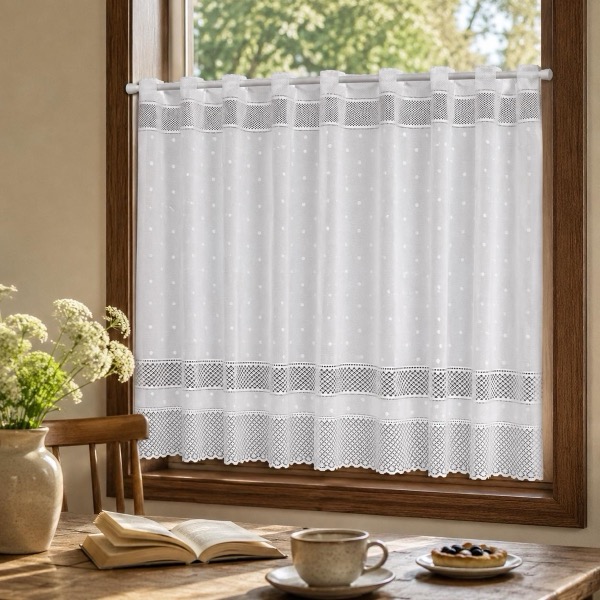
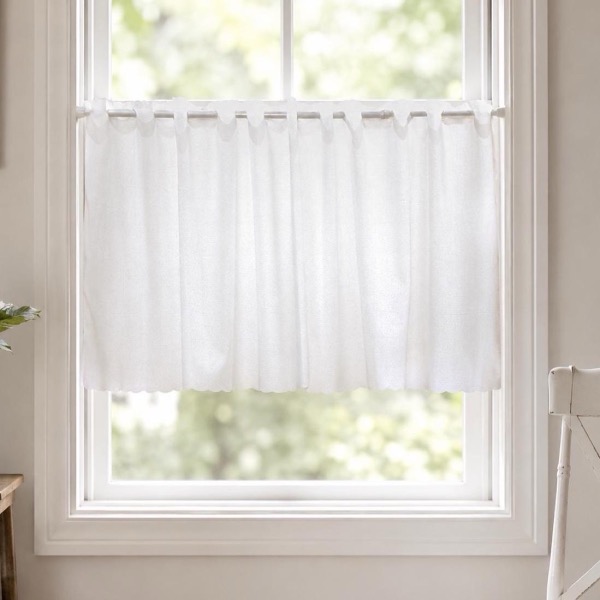
Start with the threshold, because guests read the room before they sit down. A noren can soften a closet, storage opening, or doorway without installing a heavy door, and a cafe curtain can filter light at a small window while keeping the room quiet. NeoiAtelier textile listings include 33.1 x 47.2 in, 33.5 x 59.1 in, and 59.1 x 17.7 in formats, so the scale can match an opening rather than forcing a full makeover. Browse the noren and textile collection for room dividers, wall hangings, and cafe curtains.
How can a tea cup improve a guest room?
A tea cup improves a guest room because it gives the visitor a real object to use, not only something to look at. Place one yunomi on a tray with water, tea bags, or a small welcome note, and the room immediately feels prepared. NeoiAtelier current Kutani yunomi listings include practical capacities such as 270 ml, 325 ml, and 385 ml, enough for tea, water, or a bedside drink. For a giftable option, compare the Japanese tea cups collection with the guide to what a yunomi is.
Can incense belong in a guest room?
Incense can belong in a guest room only when it is used lightly and safely before the guest arrives. Burn a short, low-smoke incense session while airing the room, then put the burner away or leave it unlit as a decorative object. Never burn incense unattended, near bedding, curtains, paper, pets, or open luggage. Guests may be sensitive to fragrance, so avoid strong scents and let the room settle. For a restrained option, compare the Japanese incense collection and read the guide to using a Japanese koro.
What textiles make the room softer without clutter?
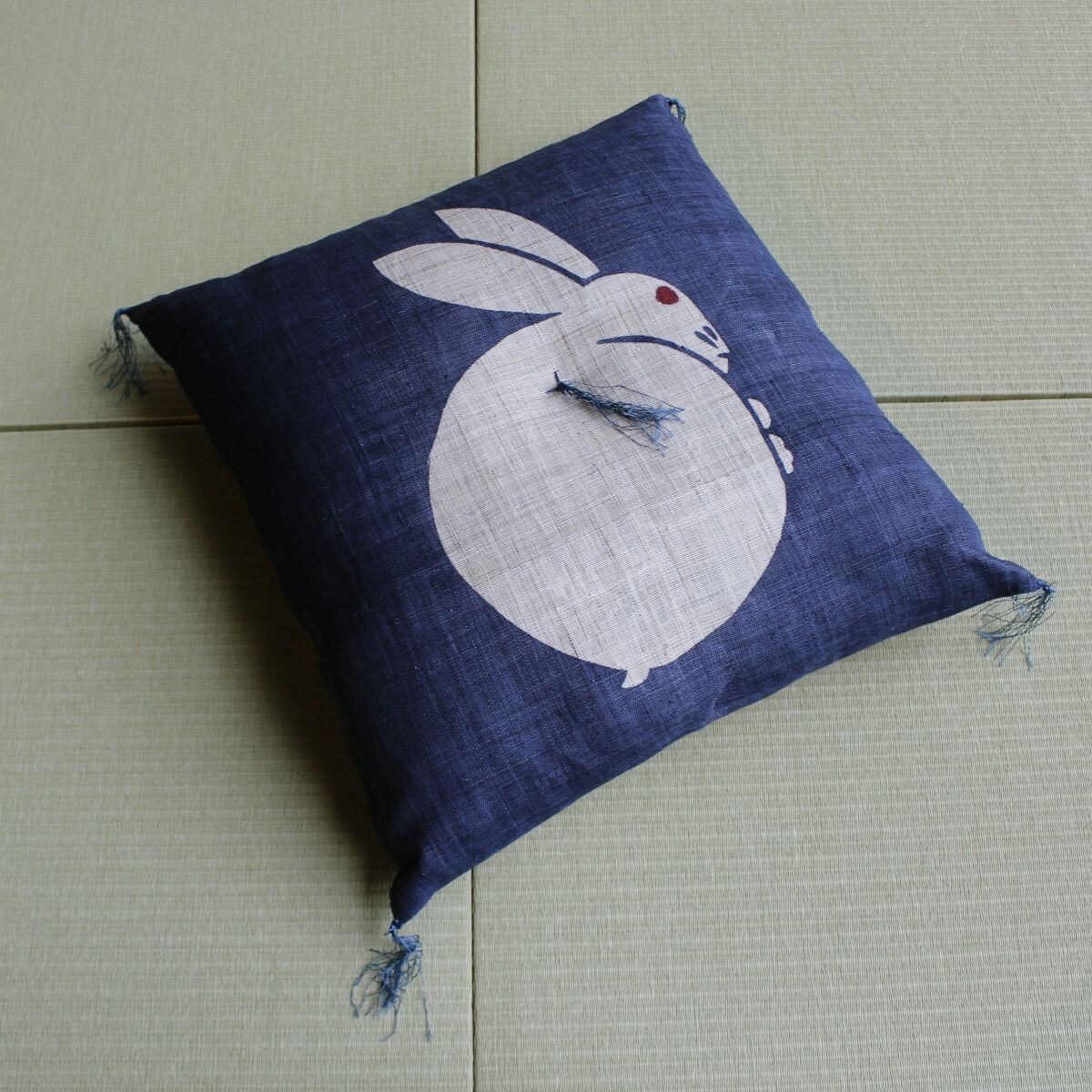
Choose one textile that solves a physical problem. A linen noren can hide storage, a wall hanging can warm a blank wall, a cafe curtain can soften daylight, and a small zabuton can make a low chair, bench, or floor corner more inviting. One verified NeoiAtelier tea cushion measures 16.5 x 17.7 in, a compact scale that suits a side chair or small reading corner. If the guest room doubles as work space, keep the textile movable rather than permanent. The indigo linen tea cushion is one example of a useful accent rather than a full room theme.
How do you add a handmade accent without over-styling?
Add one handmade accent where it will not compete with the guest's belongings. A linen uchiwa fan on a shelf, a small wall hanging beside the bed, or a single porcelain koro on a tray can give the room a Japanese craft note while leaving the desk and bedside table open. This fits the current design move toward personal, tactile rooms without turning the guest room into a display. For lightweight wall options, see the Japanese fan wall decor collection and the guide to displaying Japanese fans as wall art.
What should you avoid in a guest room?
Avoid objects that create work for the visitor: complicated incense tools, fragile crowded surfaces, heavy decorative sets, strong fragrance, overly personal art, and anything placed where luggage needs to go. Avoid assuming every guest wants a themed room. Japanese craft works best here when it is quiet and functional: a cup, a textile, a fan, a cushion, or one small vessel. Leave empty hangers, a visible outlet, a clean surface, and a path to the bed. If a decorative object must be moved before the guest can use the room, it probably does not belong there.
How do you choose one complete guest-room gift?
Choose by the room problem. For light and privacy, choose a cafe curtain or noren. For the bedside tray, choose a yunomi. For texture, choose a small linen cushion or wall hanging. For atmosphere, choose low-smoke incense only when the host already uses scent safely. Every NeoiAtelier piece is made in Japan and ships from Osaka, and the curation favors practical handmade objects that can stand alone. For broader browsing, compare the Japanese gifts collection with Japanese gifts under $150, then pick one piece the host can place before the next visitor arrives.