Japanese Hostess Gifts: 6 Thoughtful Ideas
Japanese hostess gifts work best when they are useful, easy to place, and chosen for the host rather than the occasion. A made-in-Japan tea cup, small textile, fan, or porcelain koro can feel personal without asking the recipient to rearrange their home. Start with how they welcome people, then choose one well-made object.
What Makes a Japanese Hostess Gift Thoughtful?
A thoughtful Japanese hostess gift has a clear place in the recipient's routine. It might be a cup for someone who always offers tea, a textile for someone who enjoys arranging a table or doorway, or a small decorative piece for a host who notices craft. The important part is not making the gift look elaborate; it is choosing something that does not create work. Avoid large objects when you do not know the home well, and avoid items that need a specific installation or a complicated care routine. A single handmade object with room around it can feel more generous than a basket of unrelated things. Choose a material, color, or use that connects to the way your host welcomes people, then let the gift remain simple.
When Is a Japanese Tea Cup the Right Gift?
A Japanese tea cup is a strong hostess gift when the recipient regularly serves tea, coffee, or another warm drink. A yunomi is handle-free, compact, and intended for everyday use, so it can live on a tray, shelf, or table without demanding a formal tea setup. Rather than choosing a matching set for a home you have not seen, choose one distinctive cup as a personal object for the host. It can become the cup they reach for during a quiet moment after guests leave. Browse the Japanese tea cups collection and read the yunomi guide to understand the form before choosing.
Can a Kutani Koro Make a Good Hostess Gift?
A Kutani koro can make a memorable hostess gift for someone who already enjoys porcelain, incense, or a carefully arranged shelf. Kutani ware has been made in Ishikawa since 1655, and a hand-painted koro can be appreciated as a decorative object even when it is not being used for incense. If the recipient does burn incense, they need a stable, heat-resistant surface and the same attention to ventilation and never leaving it unattended that any flame or ember requires. That makes a koro best for a host whose taste and home you know reasonably well. See the Japanese incense collection and the koro use guide before selecting one.
Where Does a Linen Textile Fit Best?
A linen textile suits a host who values texture, soft light, or an inviting threshold. A noren can soften an open doorway, cover a storage recess, or add a visual pause between rooms while remaining easy to pass through. It is more personal than a generic home accessory, so choose it only when you know there is an appropriate opening, wall, or display area. A smaller wall textile may be the safer choice for a compact home. Keep the pattern as the focus, then let the surrounding room stay simple. The noren and wall hangings collection shows the range of textile-led options, while the noren size guide can help you think through placement.
When Should You Choose a Japanese Fan?
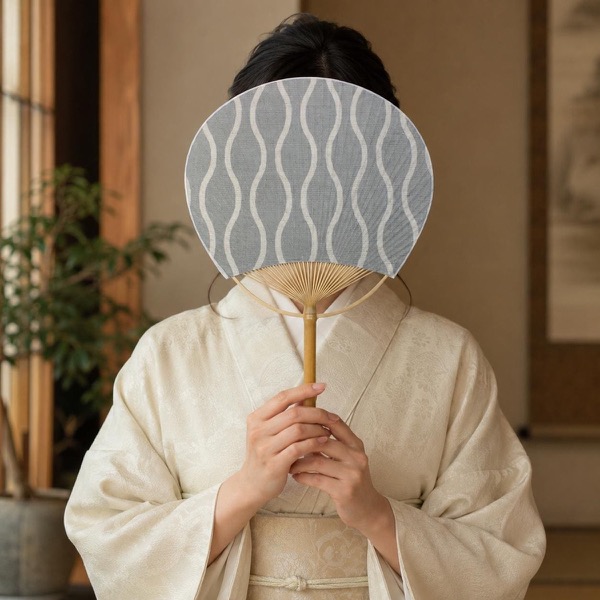
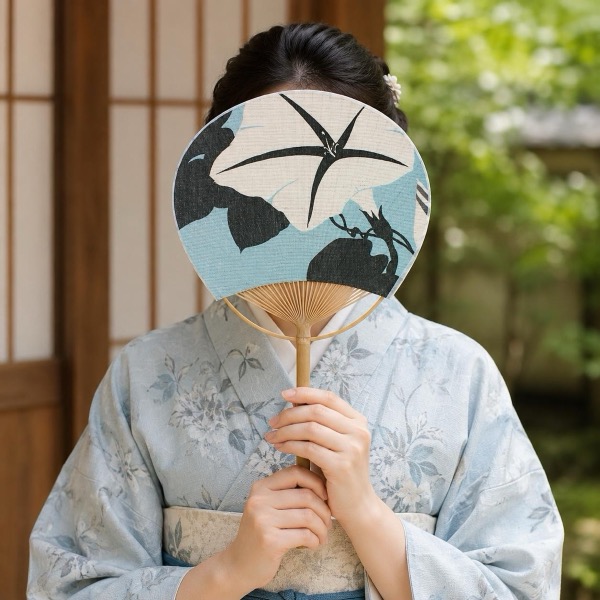
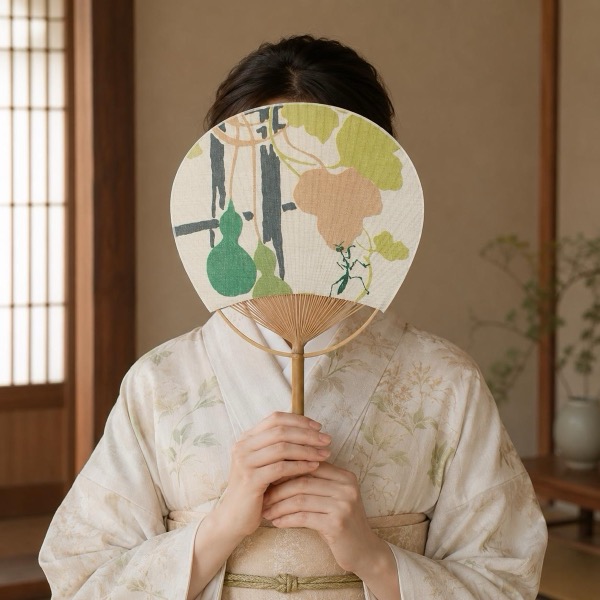
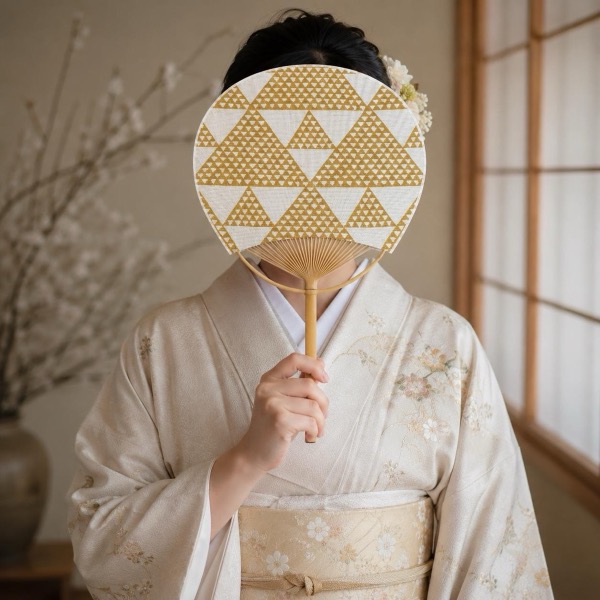
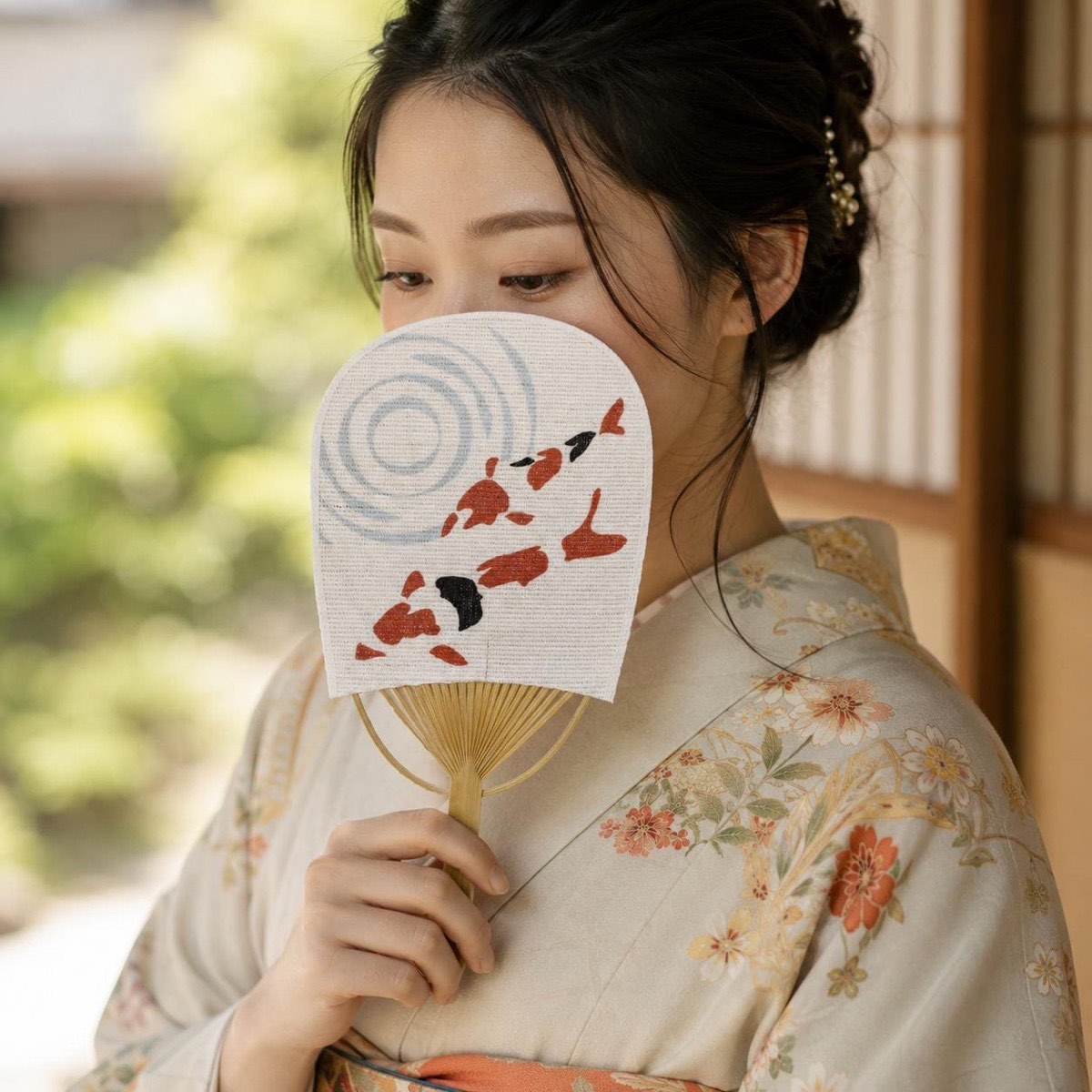
Choose a Japanese fan when the host enjoys a light decorative accent or has a small amount of clear wall space. An uchiwa is a rigid fan with a bamboo frame, while a sensu folds; either can be appreciated as a practical summer object or as wall decor when it is not in use. A fan is especially useful when you want to bring a handmade gesture without giving the host another large vessel to store. Let one fan have its own breathing room instead of pairing it with several competing ornaments. Explore the Japanese fan wall decor collection and the fan display guide for a practical way to choose and place it.
How Do You Choose Without Guessing?
Choose by the host's habits, not by a general idea of what their home should look like. Notice what they offer guests: tea, a place to sit, a carefully set table, a shelf of collected objects, or a room that benefits from a softer threshold. If you are unsure, select the smallest useful object in a material they already enjoy. A tea cup is usually easier to place than a large textile; a fan is easier to display than a complex arrangement; and a koro should be saved for someone whose interests you know. If you are attending a more formal dinner, bring the gift rather than expecting it to be opened or used immediately. The gesture is a thank-you, not another task for the host to manage.
How Should You Present a Handmade Gift?
Present a handmade gift simply and explain only the part that makes it easier to appreciate. You might say that a yunomi is for everyday tea, that a fan can be used or displayed, or that a koro should be placed safely if incense is burned. There is no need to turn a small thank-you into a lesson about craft history. A short note can be especially useful when the gift marks a dinner invitation, a weekend stay, or a new-home visit. If you order the gift in advance, consider the recipient's timing and storage space rather than sending something that must be unpacked during a busy gathering. Good presentation protects the gift's sense of ease.
What Is the Simplest Final Choice?
The simplest final choice is one piece that the host can use or enjoy on an ordinary day after the gathering. Start with a tea cup for a regular tea drinker, a fan for a design-minded host with a spare wall, a linen textile for someone who loves natural texture, or a koro for a known porcelain or incense enthusiast. Every NeoiAtelier piece is made in Japan and ships from Osaka. For a focused starting point, visit the Japanese gifts collection or browse Japanese gifts under $150, then choose the one object that suits the person rather than the party.