Japanese Gifts for Art Lovers: 6 Handmade Home Ideas
Japanese gifts for art lovers work best when the object has both a visual point of view and an honest place in daily life. A hand-painted tea cup, a linen wall hanging, a fan, or a porcelain koro can bring craft into a home without asking the recipient to build a whole room around it.
What Makes a Japanese Gift Meaningful for an Art Lover?
A meaningful Japanese gift for an art lover is not simply decorative. It gives the recipient something to notice in the hand, on a wall, or in a quiet corner, while still respecting the way their home already works. Begin with scale. A small cup or fan is easy to place in an apartment; a textile needs a clear wall or doorway; and a koro needs a stable surface if it will ever be used with incense. Then consider the role of pattern. A painted floral motif, a woven surface, or a strong fan silhouette can provide one focused visual note without forcing a complete theme. The most useful choice is usually one well-made object, selected for a real habit or available space, rather than a set of generic accessories.
Which Japanese Wall Piece Suits an Art-Focused Home?
A linen wall hanging or noren is a strong choice for someone who enjoys color, line, and textile texture, but it should be matched to a specific place before it is given. A wall hanging can make a narrow wall or calm corner more personal, while a split noren can frame a doorway without blocking the route through it. Look first at the available width, the light in the room, and whether the recipient can use a tension rod or existing hardware. That small amount of planning makes the gift feel considered rather than imposing. Explore the noren and wall hangings collection for the available textile forms, then read the Japanese wall art guide for small spaces for placement ideas that keep the room practical.
Why Is a Japanese Hand Fan an Easy Art Gift?
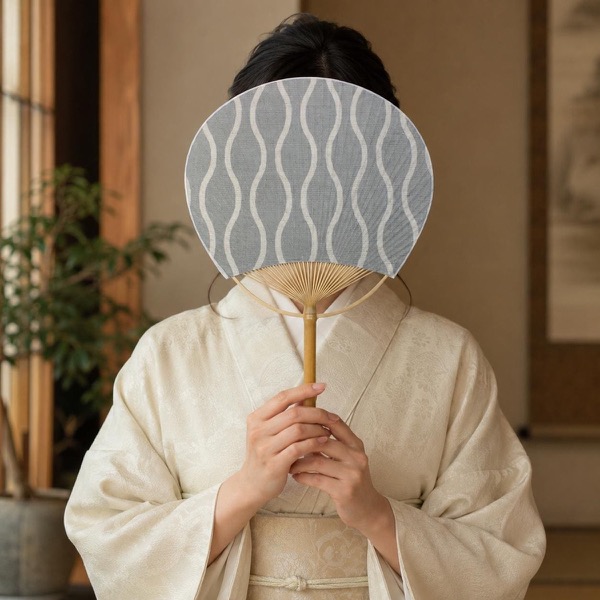
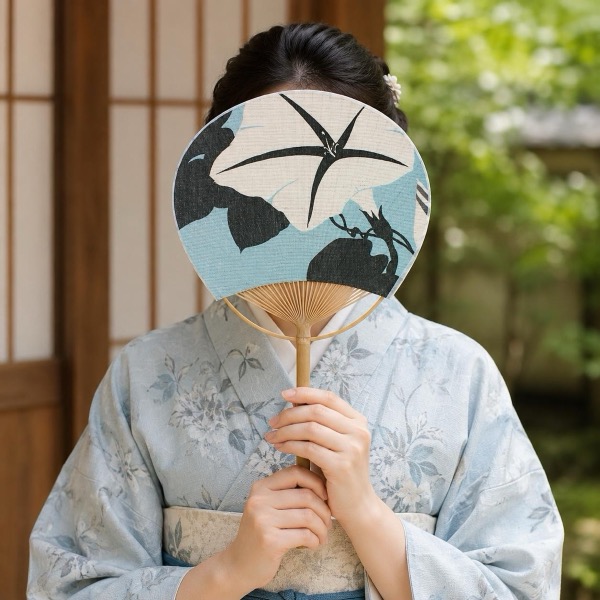
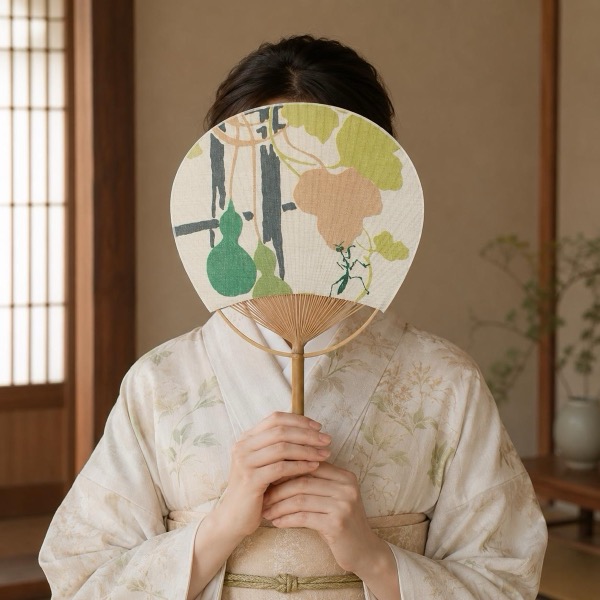
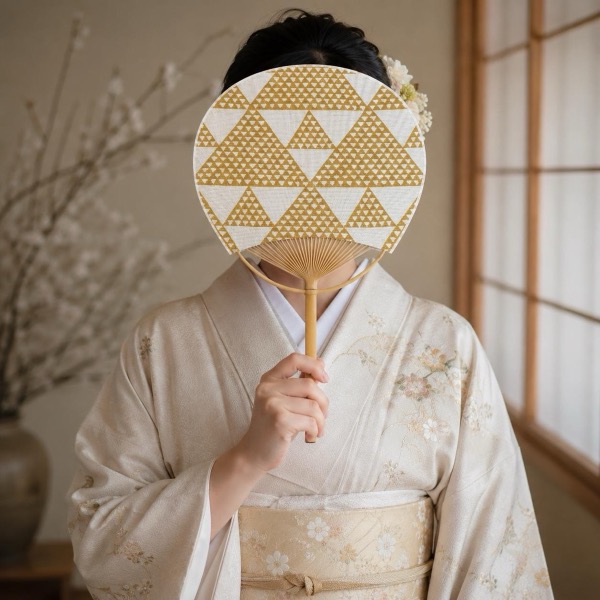
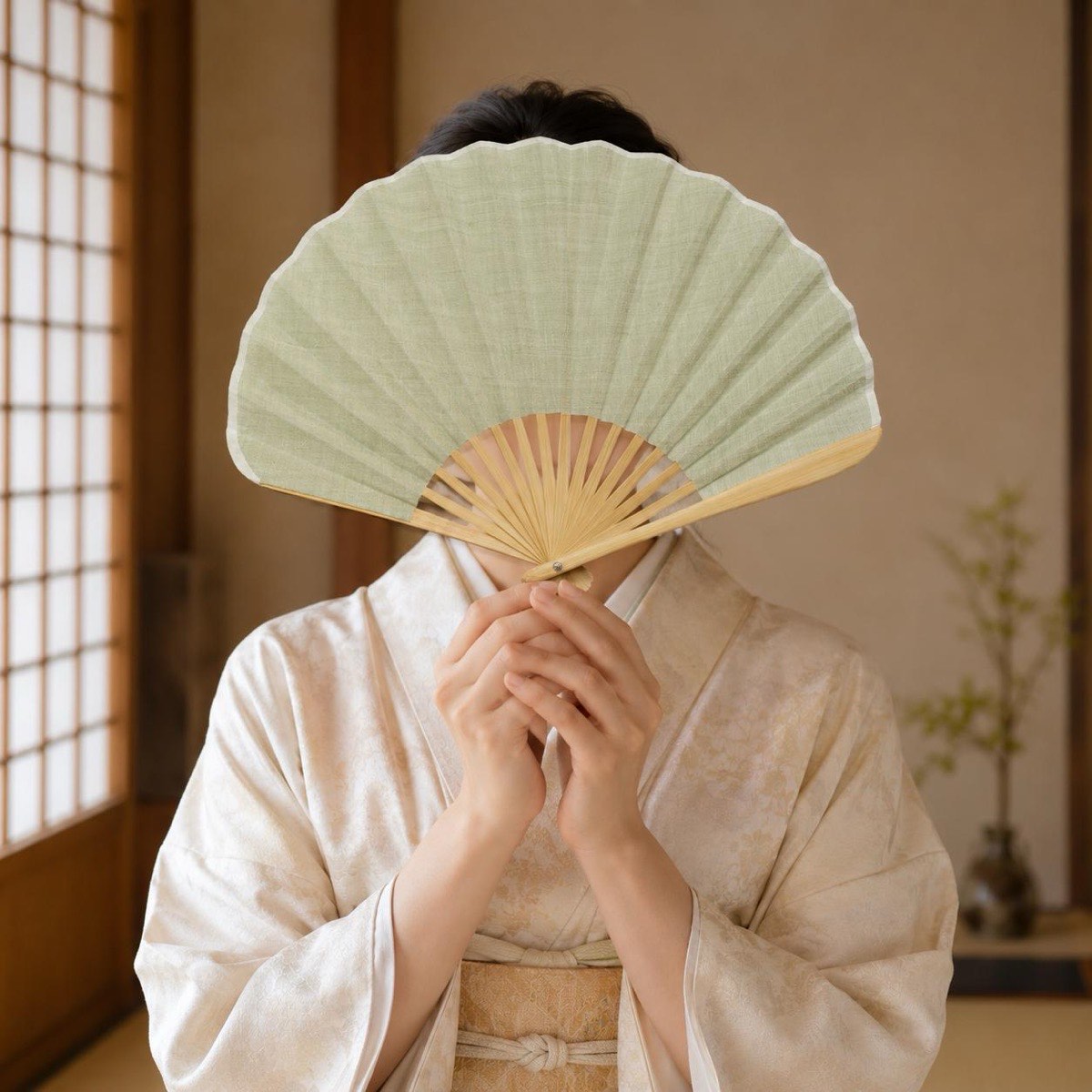
A Japanese hand fan is an easy art gift because its graphic shape is visible when displayed but it can also remain useful and compact. An uchiwa is a rigid fan with a bamboo frame, while a sensu folds for storage or carrying. That distinction lets the giver match the object to the person: choose an uchiwa for a shallow shelf, hook, or wall, and a sensu for someone who values a piece that can disappear into a drawer or bag between uses. A fan can add pattern to a quiet room without claiming much surface area, which makes it a sensible option when you do not know the recipient's home closely. Browse the Japanese handcrafts collection and compare the forms in our Japanese hand fan guide.
Can a Kutani Tea Cup Be an Art Gift and an Everyday Object?
Yes. A Kutani yunomi can work as both an art gift and an everyday object because it brings hand-painted porcelain to an ordinary tea break. The handle-free form is made for everyday tea, so it can live naturally on a kitchen shelf, tray, or side table rather than needing to be kept behind glass. For an art lover, the appeal is in choosing one motif with enough character to reward a closer look, not in trying to assemble a matching collection for them. A single cup also keeps the gift personal without assuming how many people share the household. NeoiAtelier's tea cups are made in Japan, and every NeoiAtelier piece ships from Osaka. See the Kutani Japanese tea cups collection and our guide to the everyday yunomi before selecting a painted finish.
When Does a Kutani Koro Make the Right Gift?
A Kutani koro is right for an art lover who already enjoys incense or appreciates a porcelain object on its own. Its painted surface can bring a small focal point to a shelf or table, but incense should never be treated as decoration alone. If it is used, it needs a stable, heat-resistant surface, ventilation, and attention while it burns; it should stay clear of paper, textiles, children, pets, and drafts. That makes a koro more personal than a fan or cup, yet especially rewarding when it matches the recipient's existing routine. If you are unsure about fragrance, choose a fan, cup, or textile instead. Explore the Kutani incense burners collection and read the koro use guide for the practical considerations.
How Do You Choose Without Adding Clutter?
Start with one question: where will this object live on an ordinary day? A wall hanging needs a dry wall or doorway; a fan can suit a hook, shelf, bag, or drawer; a yunomi belongs with a familiar drink; and a koro is only suitable when incense use is already welcome and safe. This keeps the gift focused on the recipient rather than on an idea of Japanese-style decoration. When in doubt, choose the smallest object with a clear role and a material or motif they will enjoy seeing over time. To compare a practical range of options, visit Japanese handcrafts, Kutani tea cups, noren and wall hangings, and Japanese gifts under $150, then choose one piece that fits the recipient's real home.