
Notes on Japanese Craft
Guides to the traditions behind our collection — noren weaving, Kutani porcelain, incense culture and the quiet objects of Japanese daily life. Written by K. Morita in Osaka.
Showing articles 49–60 of 84
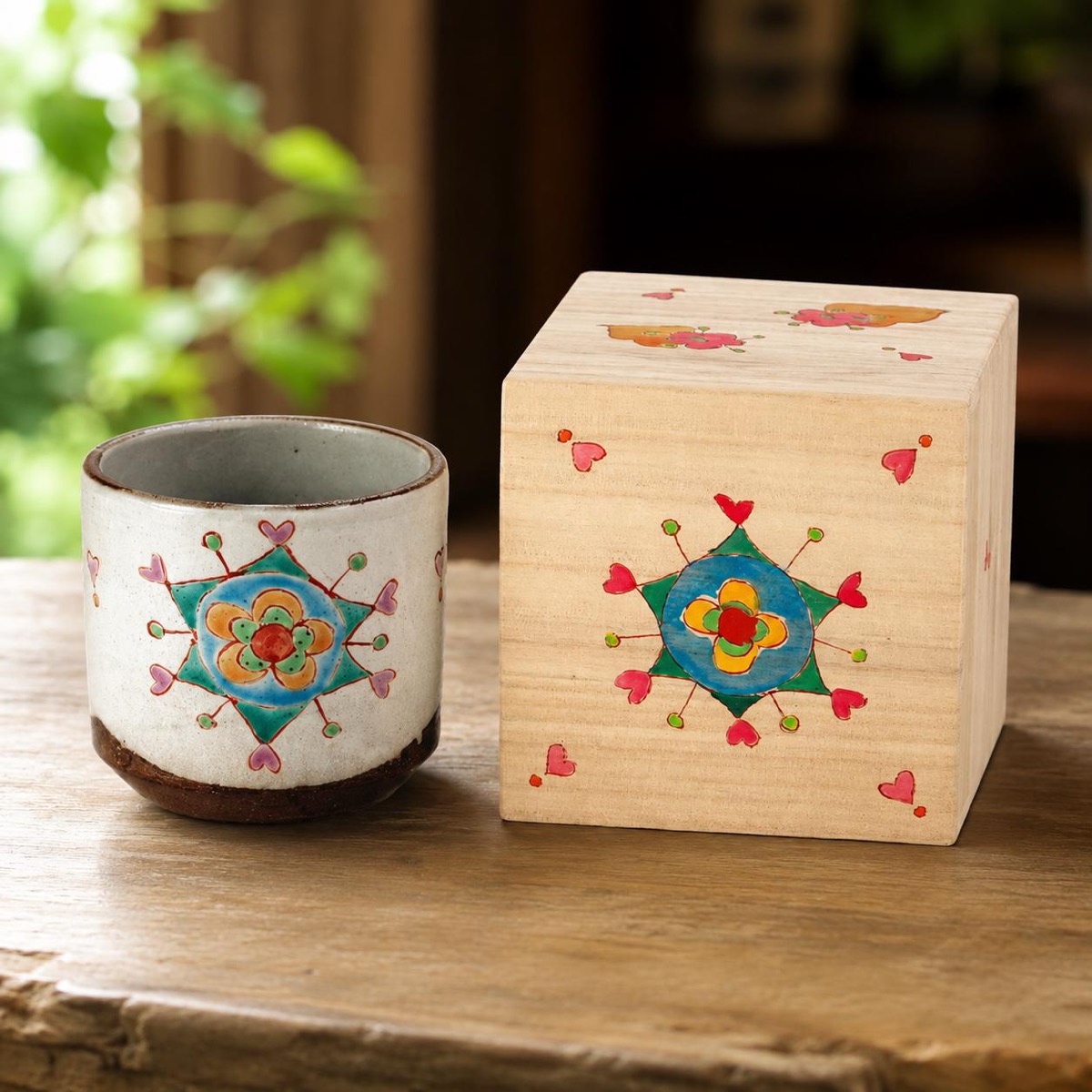
Japanese Coffee Table Decor Ideas for a Calm Living Room
Japanese coffee table decor ideas for calm living rooms: style tea cups, koro, fans, and textiles with space, balance, and handmade detail too.
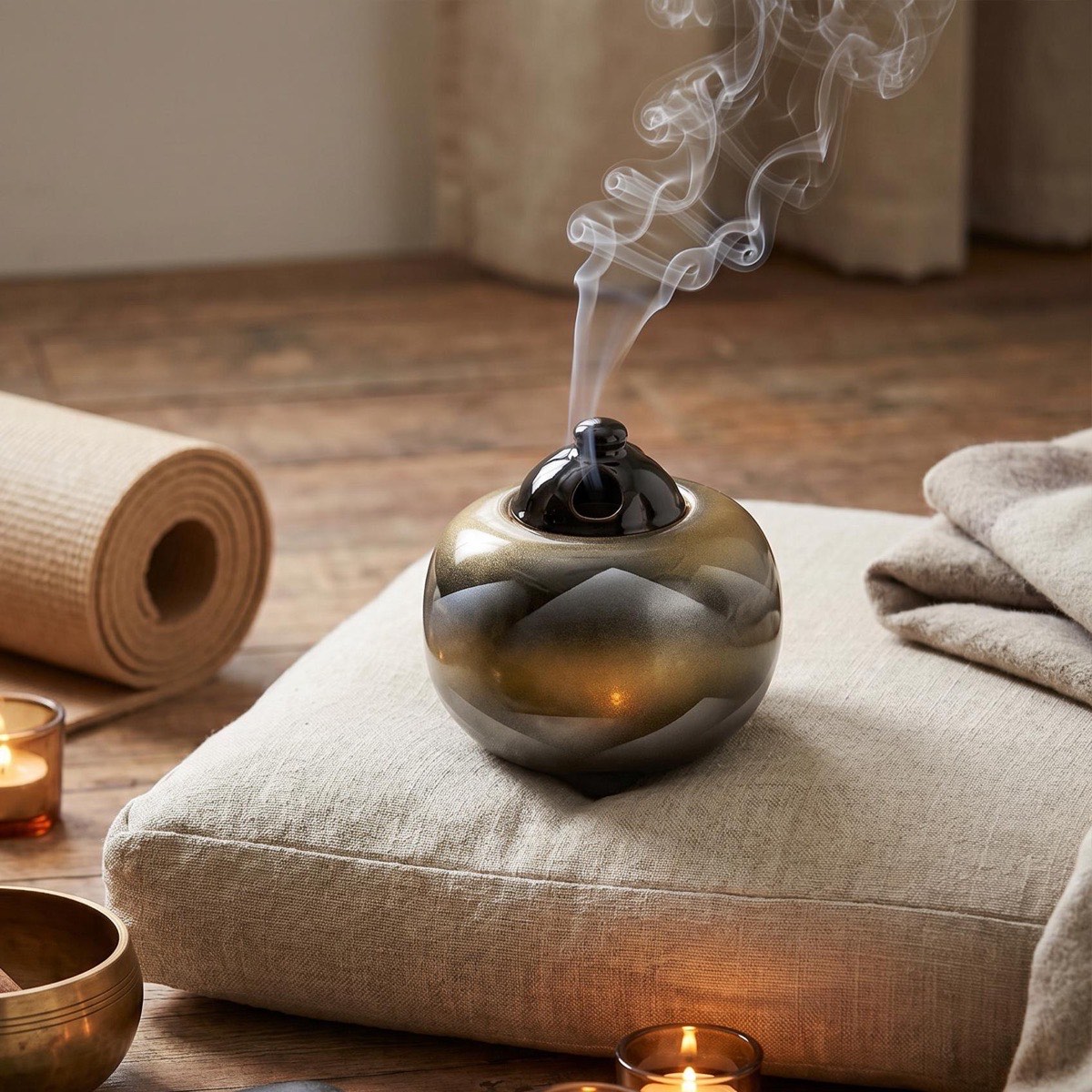
Japanese Shelf Decor Ideas for a Calm Home
Japanese shelf decor ideas for calm homes: style Kutani koro, tea cups, fans, and textiles with practical spacing, balance, and made-in-Japan craft.
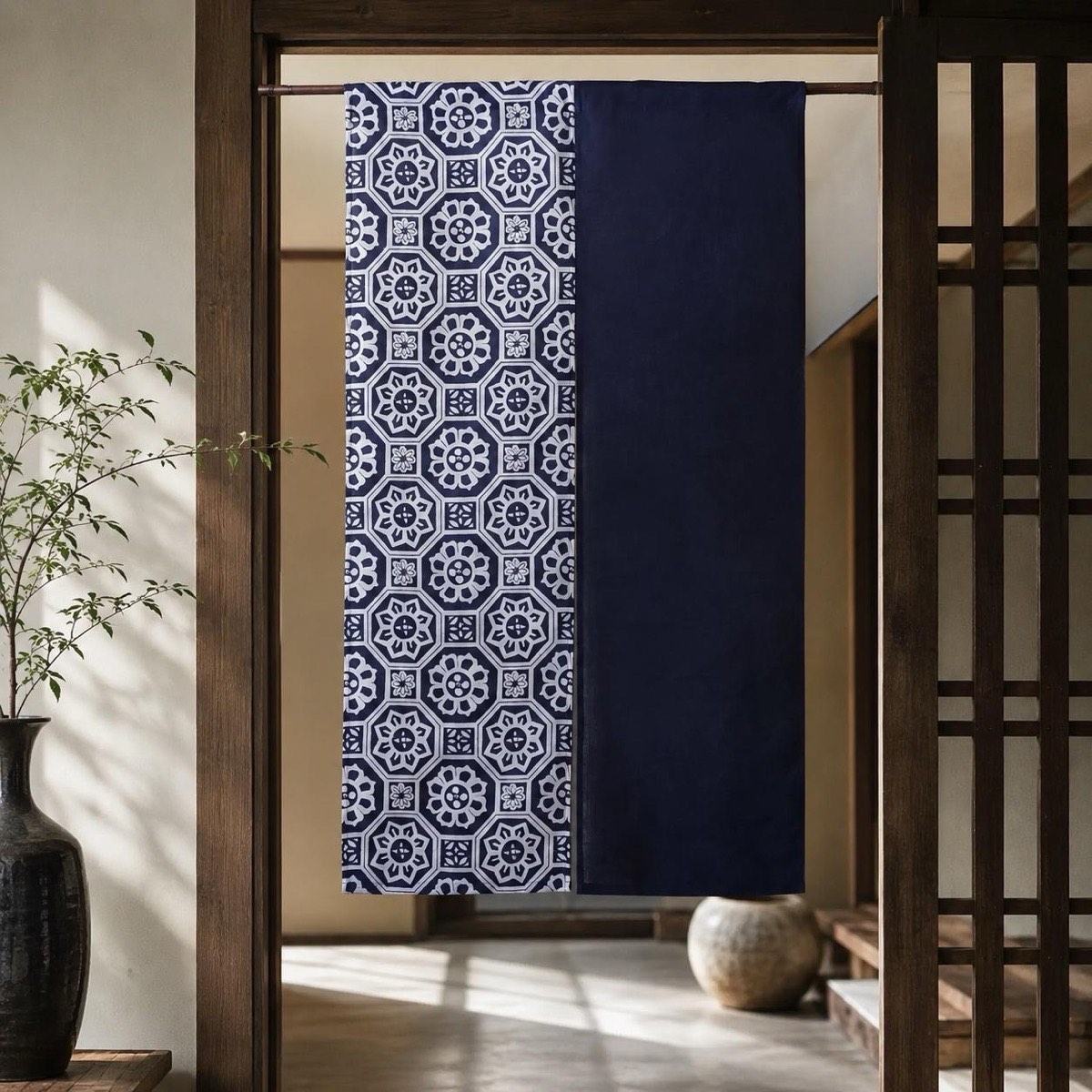
Japanese Entryway Ideas for a Calm Welcome
Japanese entryway ideas for small homes: use storage, noren, incense, and handmade accents to create a calm genkan-inspired welcome by the door.
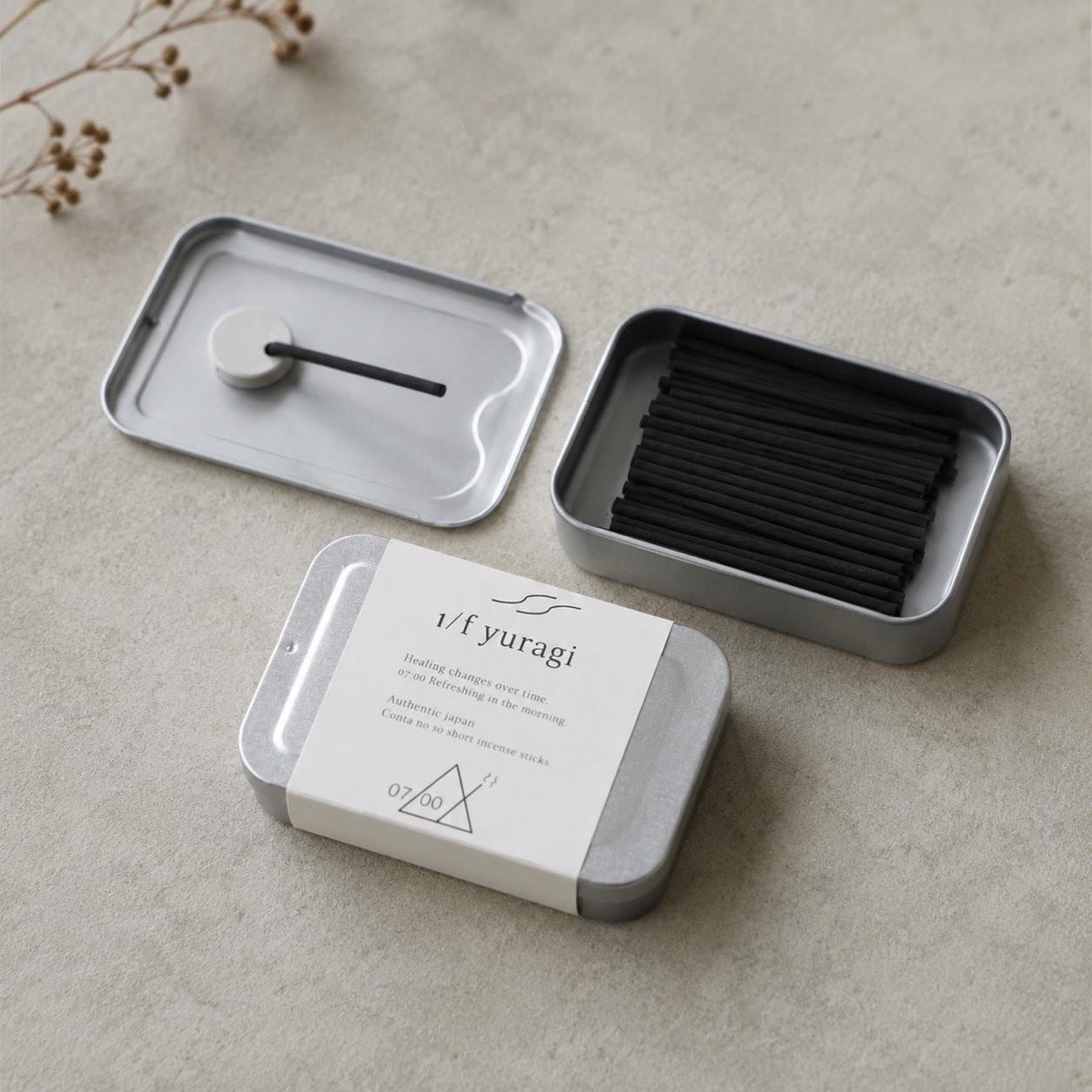
Japanese Desk Decor Ideas for a Calm Home Office
Japanese desk decor ideas: use incense, tea cups, linen textiles, and handmade accents to make a calm, useful home office without visual clutter.
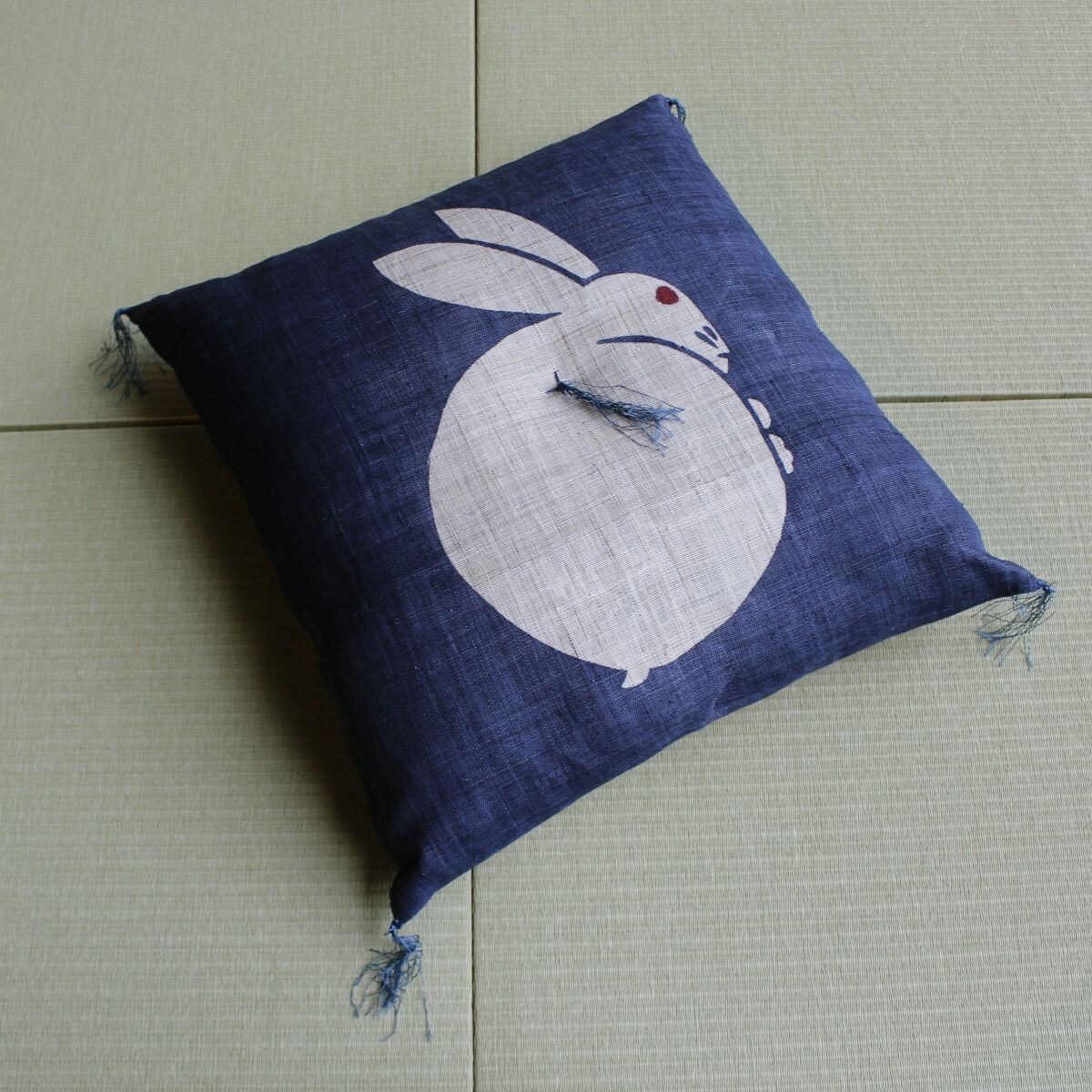
Japanese Guest Room Ideas for a Calm Welcome
Japanese guest room ideas: use made-in-Japan tea cups, linen textiles, incense, and handmade accents to create a calm visitor space at home.
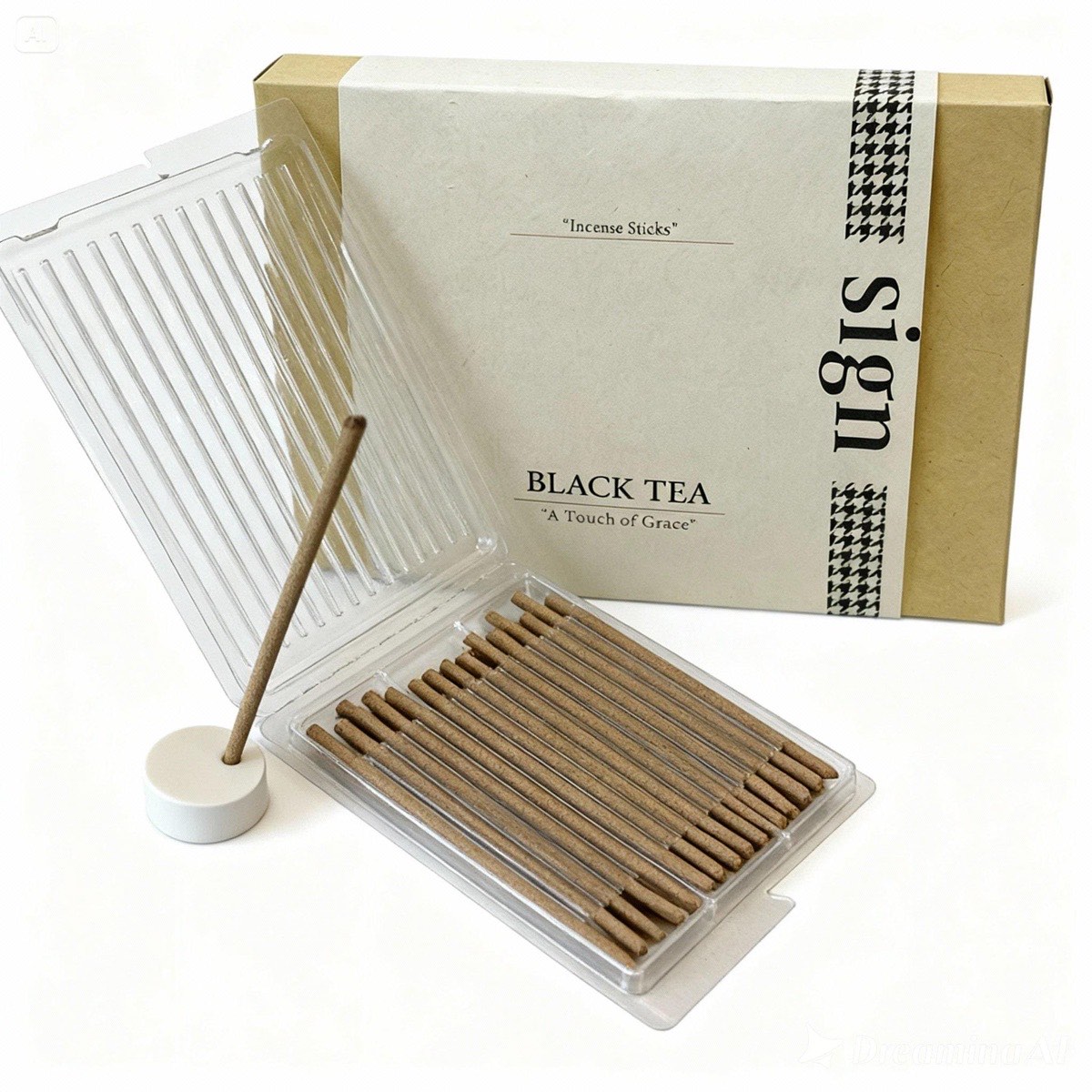
Japanese Reading Nook Ideas for a Quiet Corner
Japanese reading nook ideas: choose made-in-Japan tea cups, incense, linen textiles, and fan decor for a calm, useful quiet corner at home today.
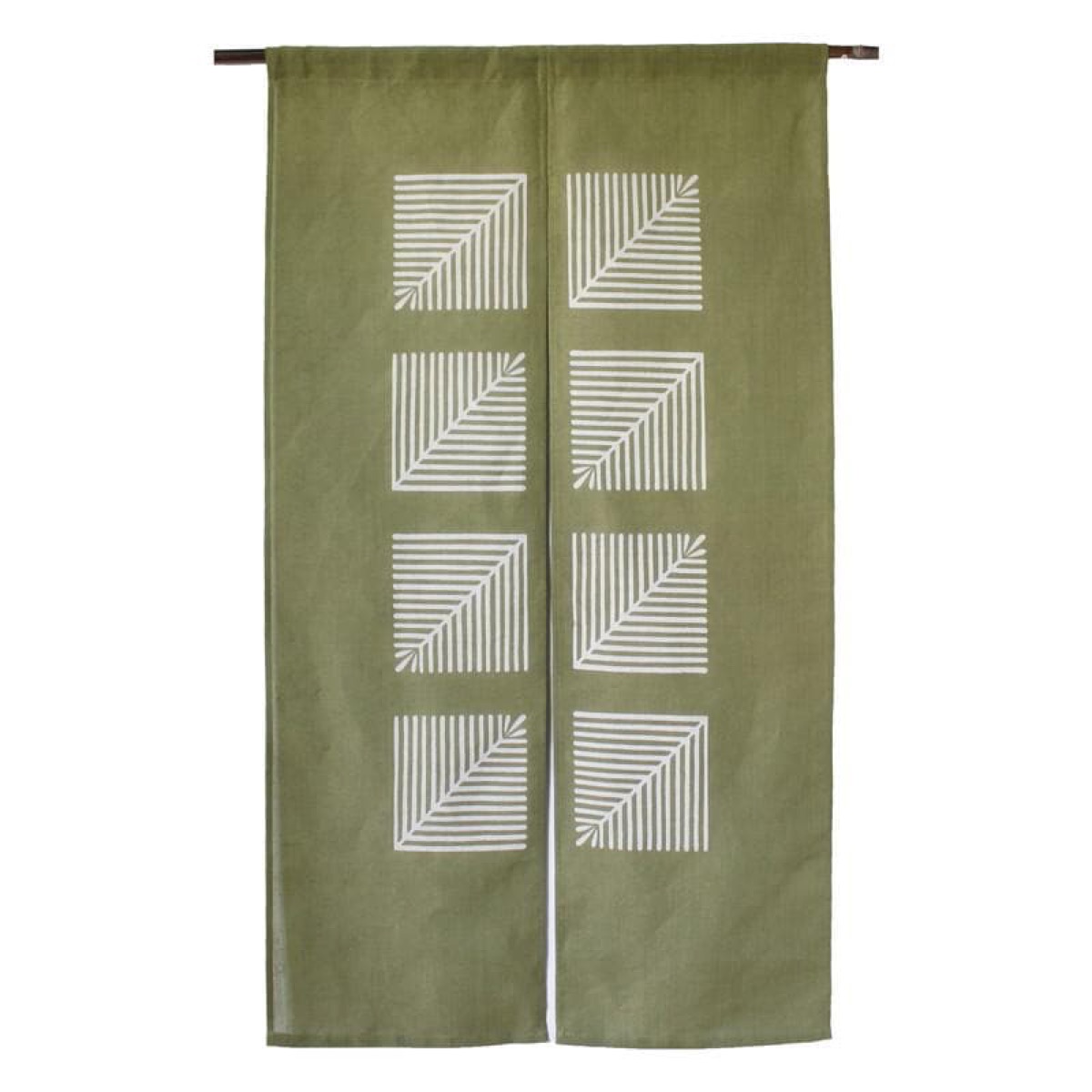
Japanese Gifts for Minimalist Homes
Japanese gifts for minimalist homes: choose made-in-Japan tea cups, incense, linen textiles, and fan decor with quiet, practical presence today.
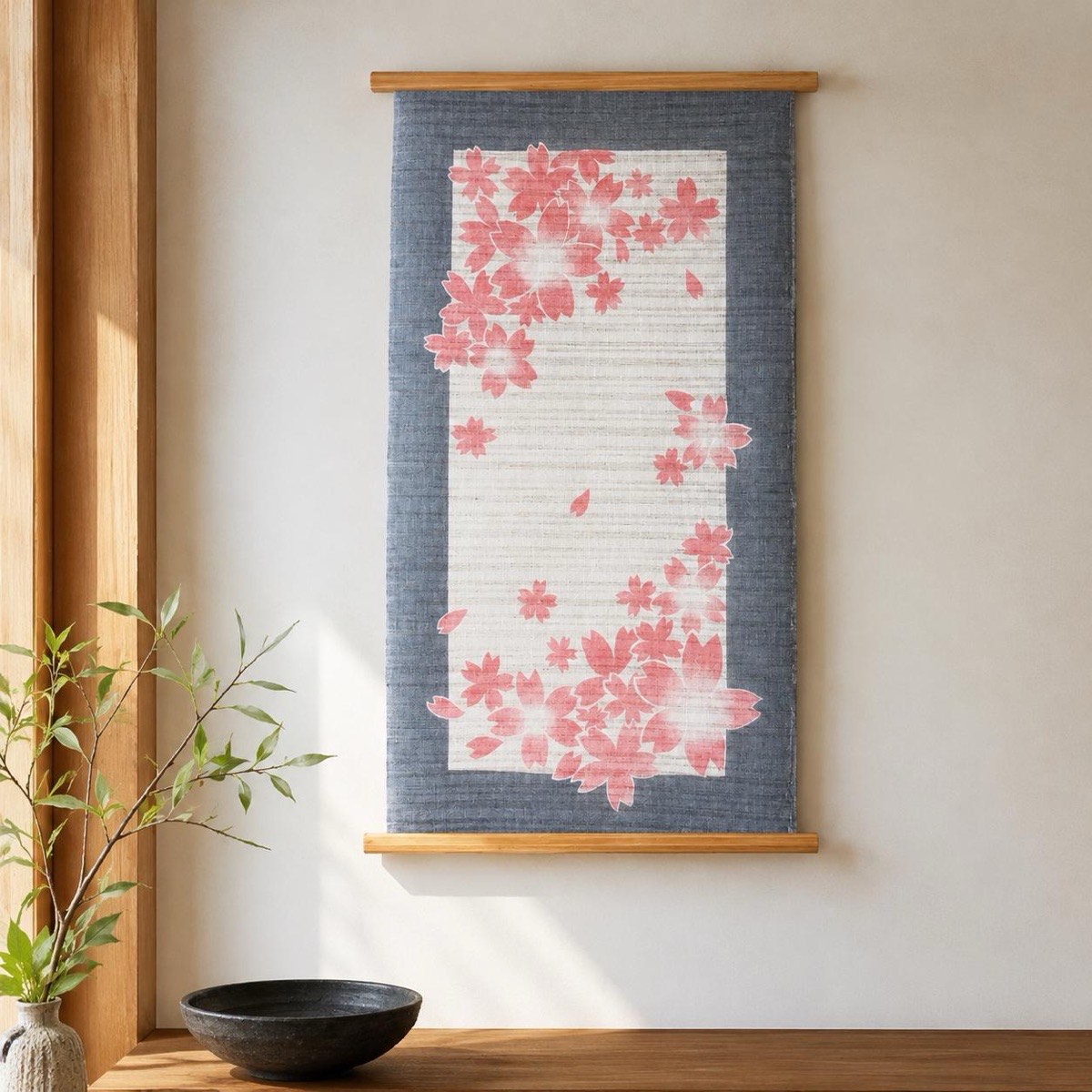
Japanese Housewarming Gifts for Small Apartments
Japanese housewarming gifts for small apartments: choose made-in-Japan tea cups, textiles, incense, and fan decor that fit compact rooms well.
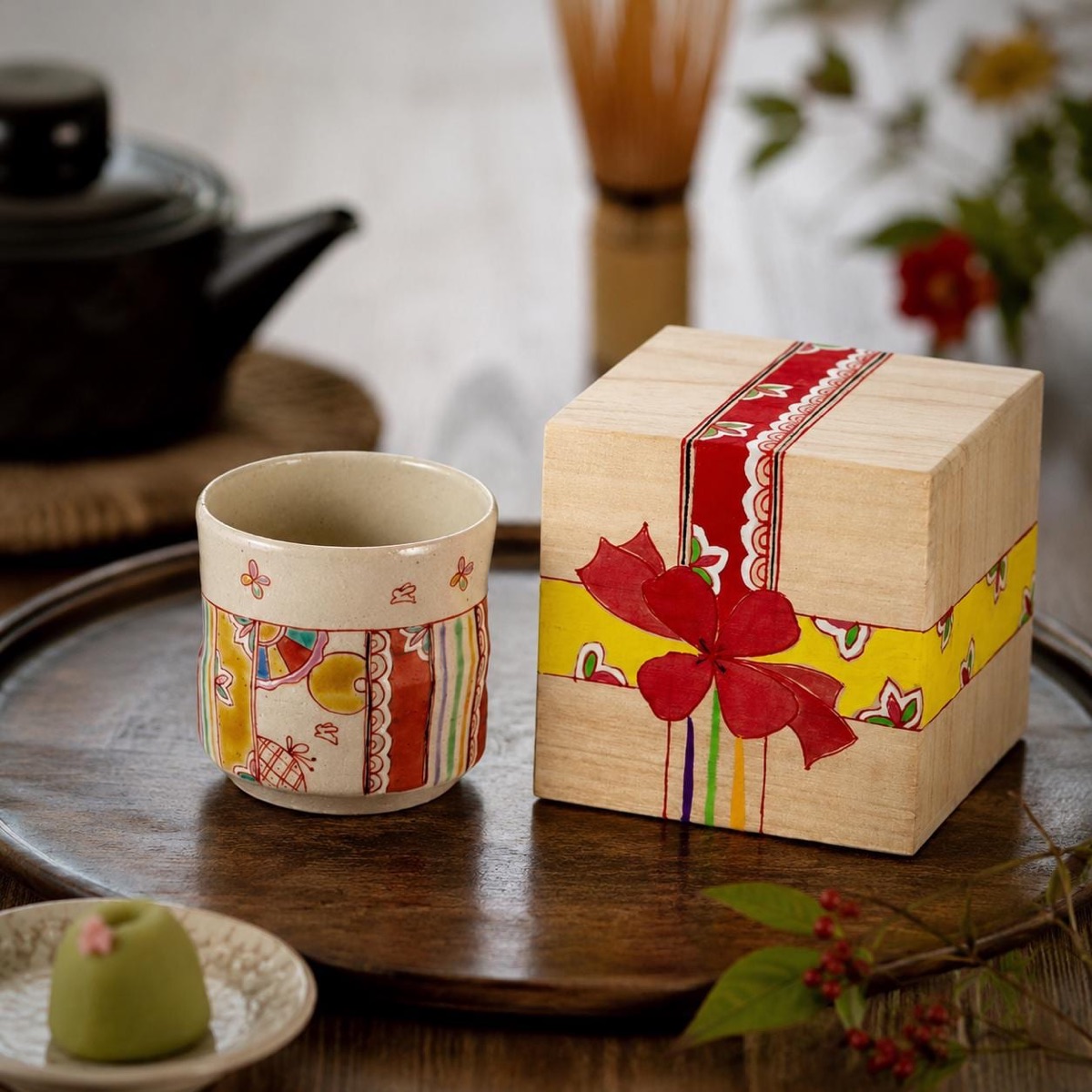
Japanese Gifts for Tea Lovers: A Practical Guide
Japanese gifts for tea lovers: choose a Kutani yunomi, low-smoke incense, textiles, or small decor with practical made-in-Japan buying advice.
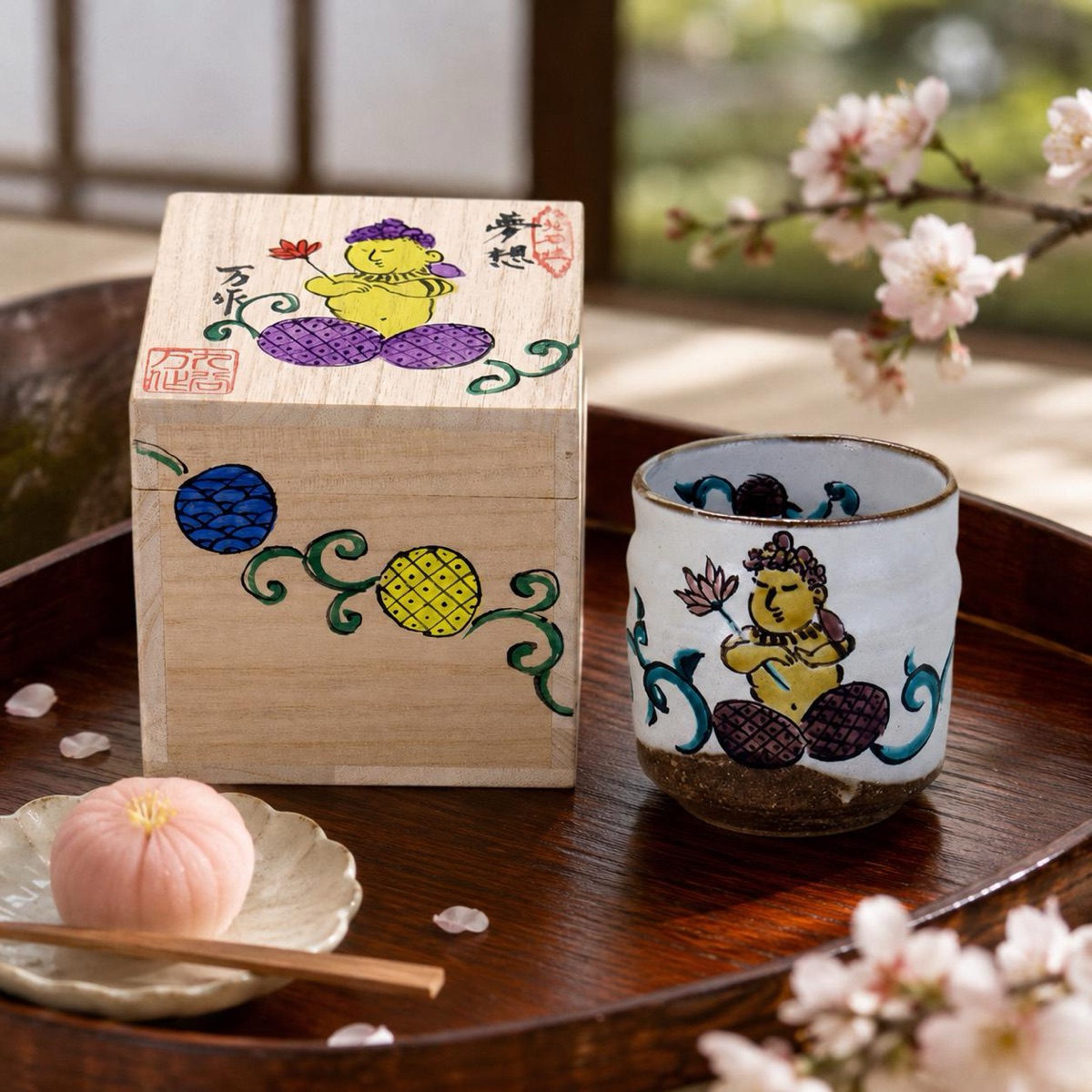
Japanese Tea Corner at Home: A Simple Setup Guide
Create a Japanese tea corner at home with a yunomi, tray, cushion, incense, and quiet storage using made-in-Japan pieces curated in Osaka today.
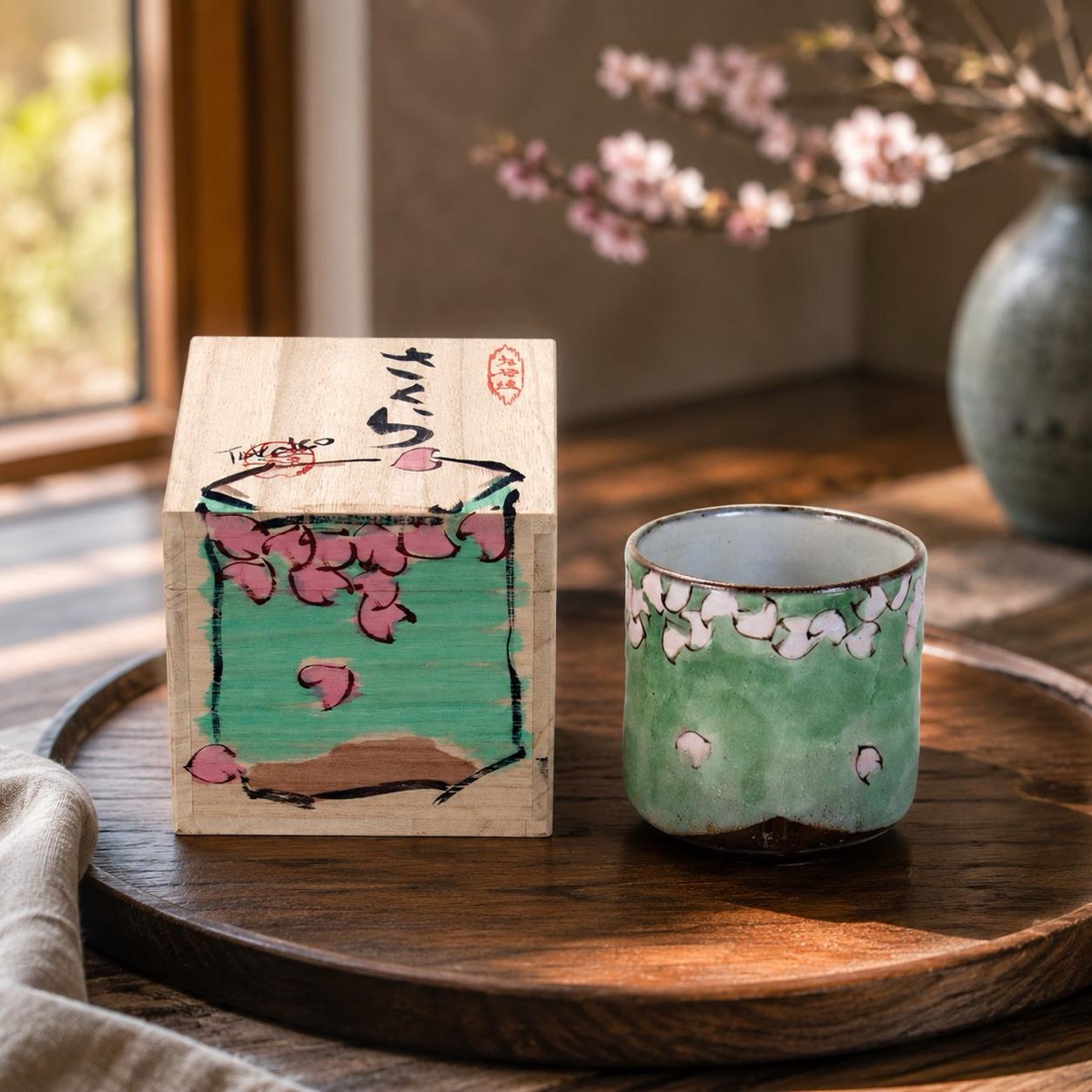
Yunomi vs Chawan: Which Japanese Tea Cup Should You Use?
Yunomi vs chawan guide: learn which Japanese tea cup fits sencha, matcha, daily tea, gift shopping, and display with practical buying advice.
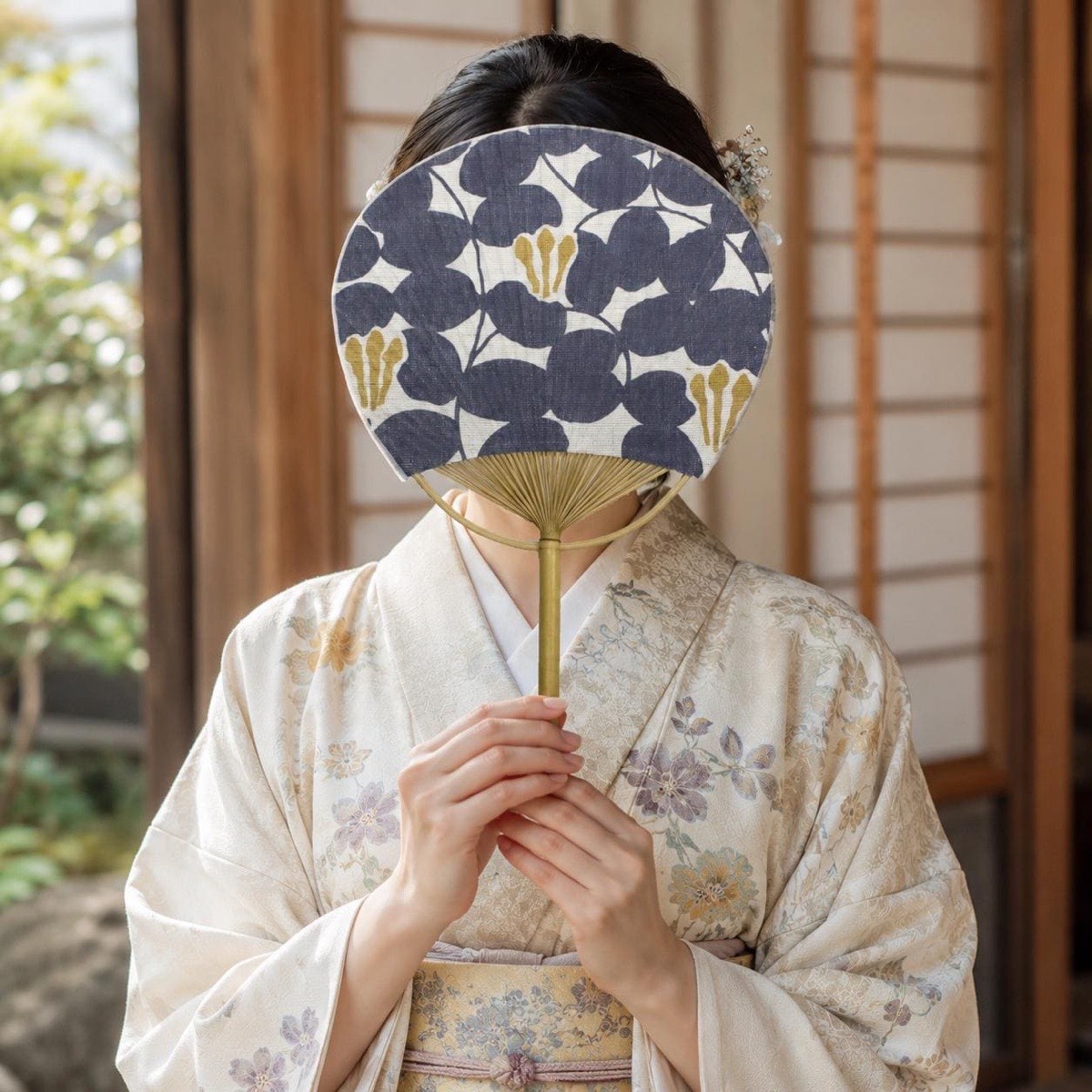
Uchiwa Fan Summer Decor and Gift Guide
Uchiwa fan guide for summer home decor and gifts: learn when to choose a rigid Japanese fan, where to display it, and which motif fits best.