
Notes on Japanese Craft
Guides to the traditions behind our collection — noren weaving, Kutani porcelain, incense culture and the quiet objects of Japanese daily life. Written by K. Morita in Osaka.
Showing articles 73–84 of 84
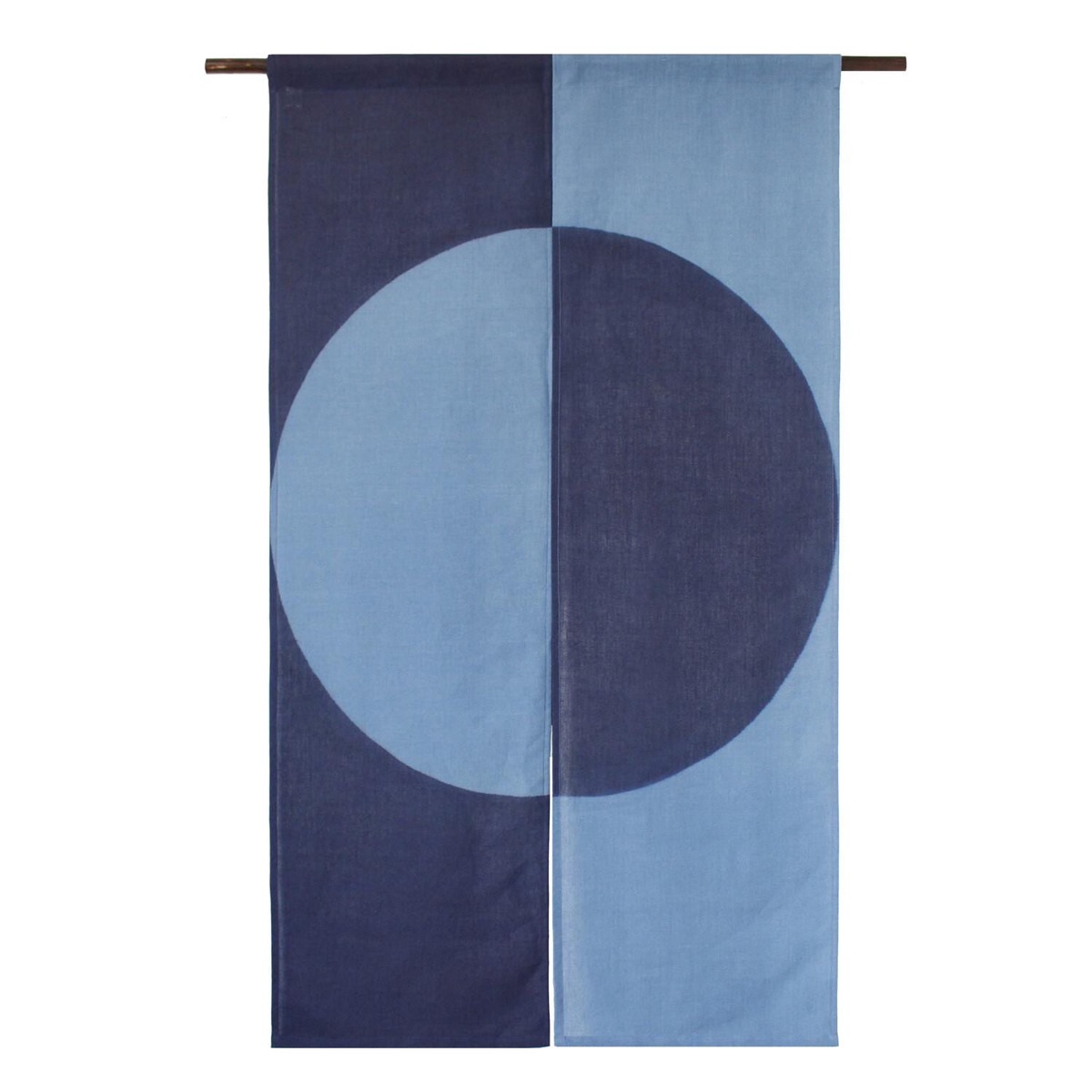
Noren Size Guide: What Size Noren Do You Need?
What size noren do you need? Standard panels are about 33.5 in wide, in 35.4, 47.2, and 59.1 in lengths. How to measure, size, and hang, made in Japan.
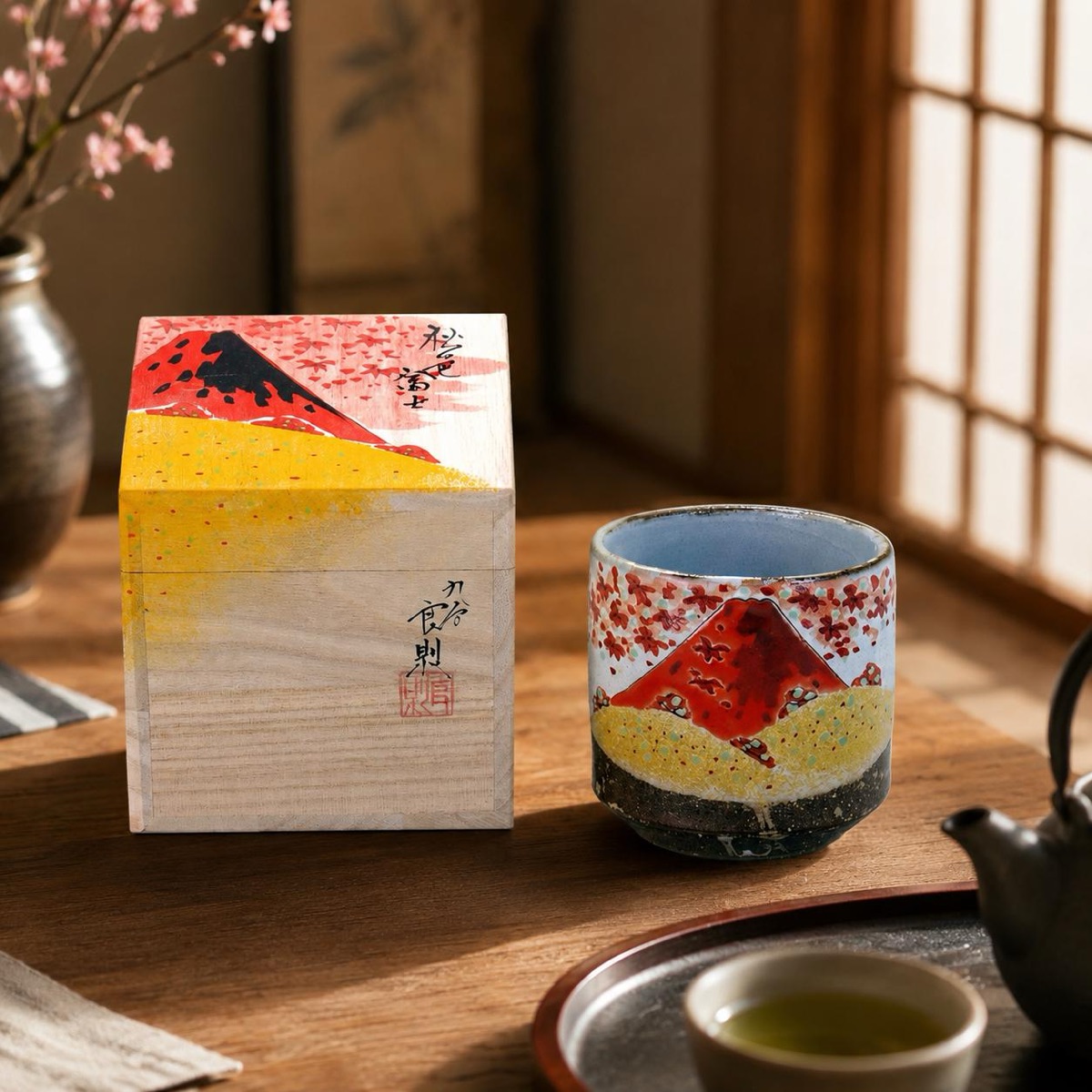
What Is a Yunomi? The Everyday Japanese Tea Cup, Explained
What a yunomi is, how it differs from a chawan and a Western teacup, and what makes Kutani yunomi collectible — the everyday Japanese tea cup, explained.
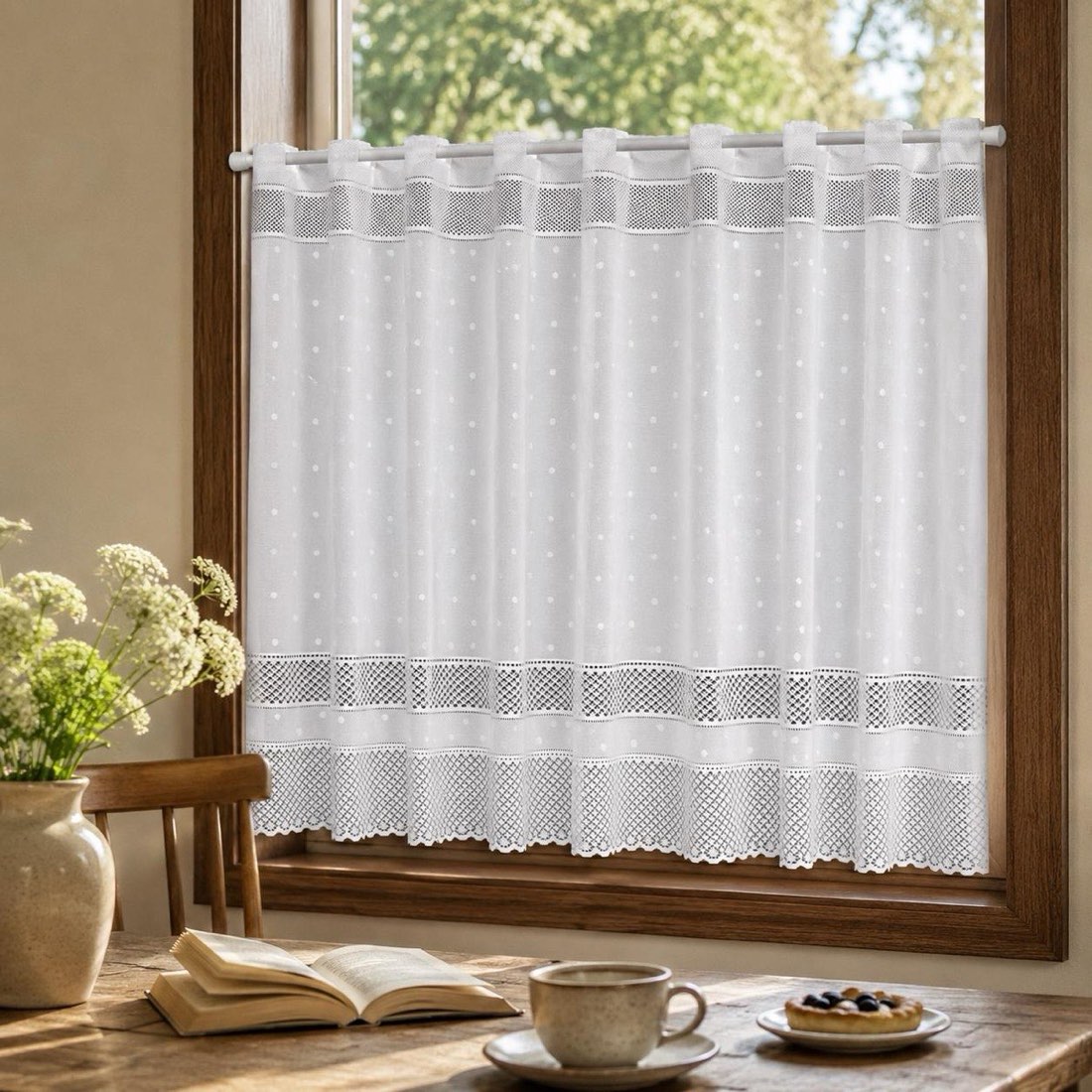
Linen vs Cotton Noren: Which Fabric Should You Choose?
Linen or cotton noren? Linen drapes drier and lasts longer; cotton prints bolder and costs less. Compare durability, care, and price, made in Japan.
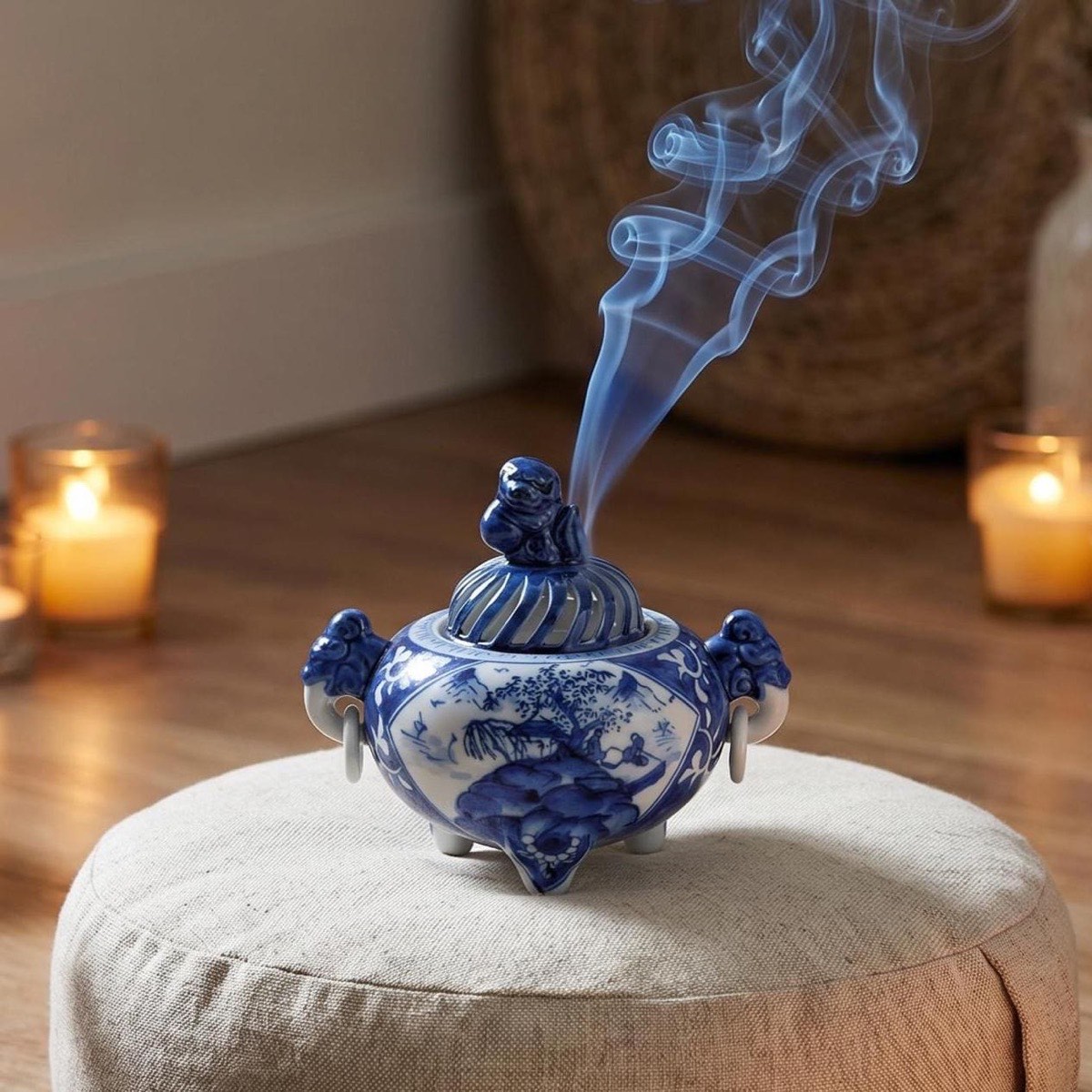
How to Use a Japanese Incense Burner (Koro): Step by Step
Learn how to use a Japanese incense burner (koro): prepare rice-chaff ash, burn sticks fully, and care for the ash, with Kutani porcelain koro made in Japan.
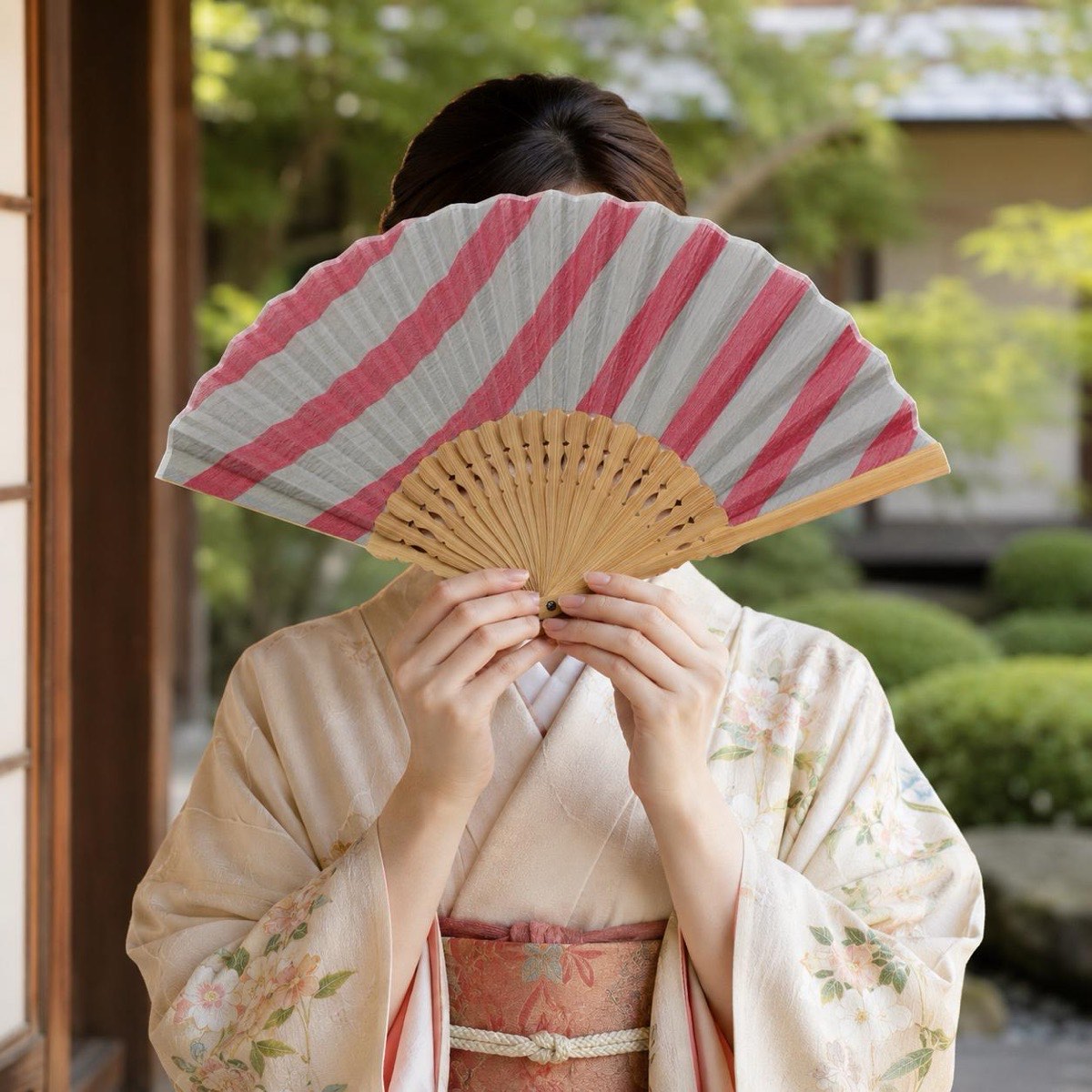
How to Use a Japanese Folding Fan (Sensu): Etiquette and Care
Learn how to open, hold, and care for a Japanese sensu folding fan, plus summer etiquette and gift tips, with linen-and-bamboo fans made in Japan.
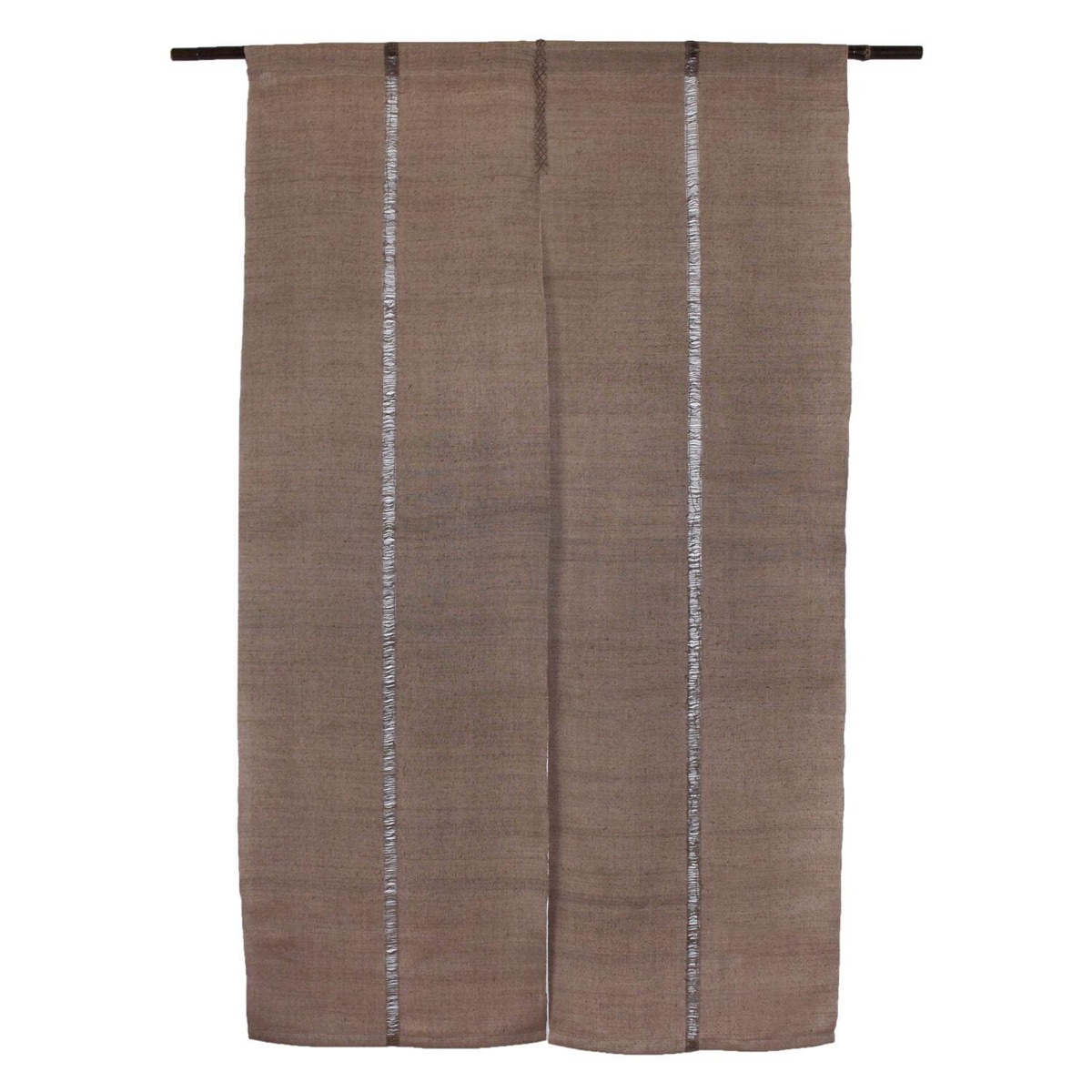
How to Use a Noren Curtain Instead of a Door
Yes, a noren can replace an interior door. Learn hanging methods, standard sizes, and styling ideas for small apartments, with linen noren made in Japan.
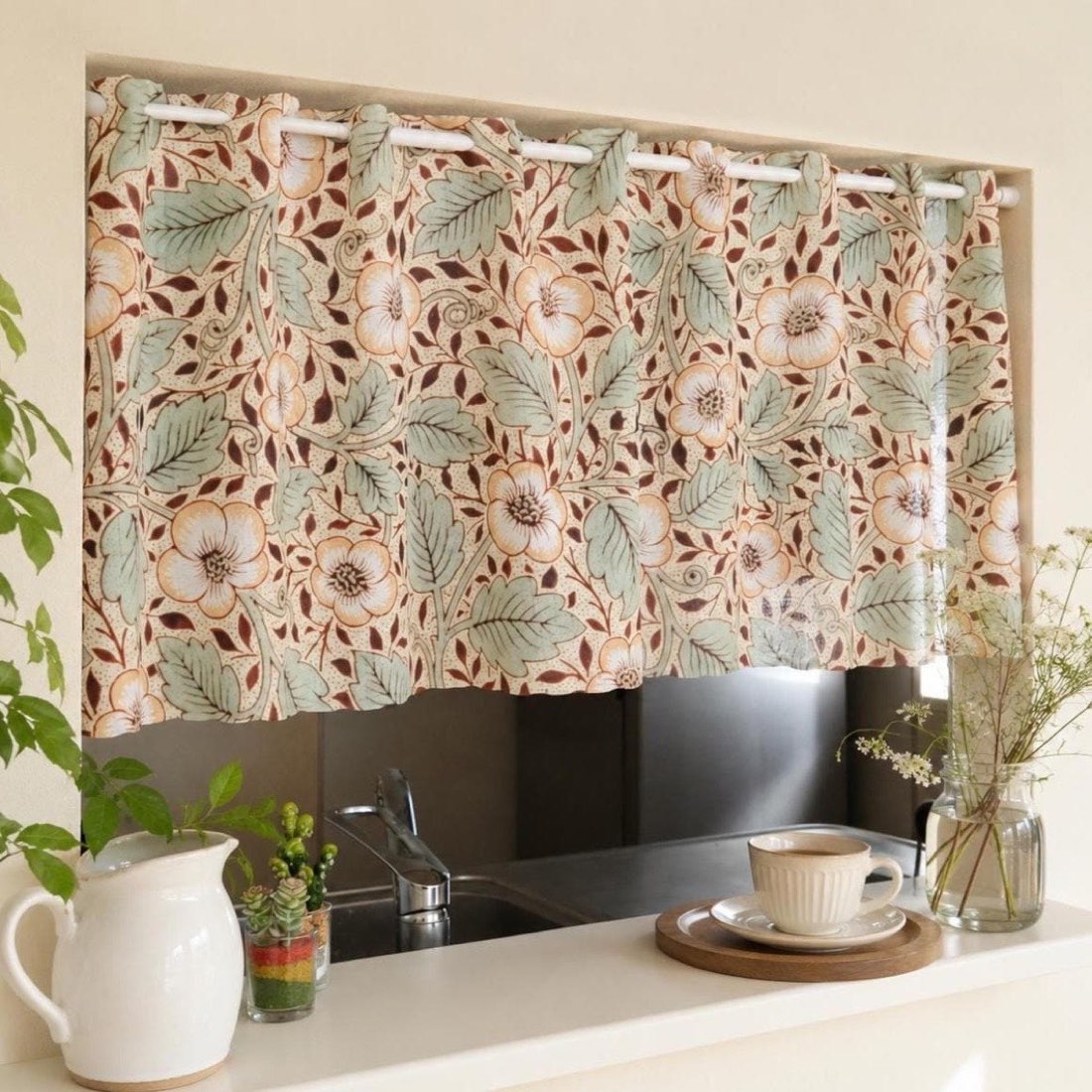
What Is a Noren? The Japanese Doorway Curtain, Explained
What a noren is, where it comes from, and how to hang a Japanese doorway curtain at home — sizes, fabrics, and care, explained by NeoiAtelier in Osaka.
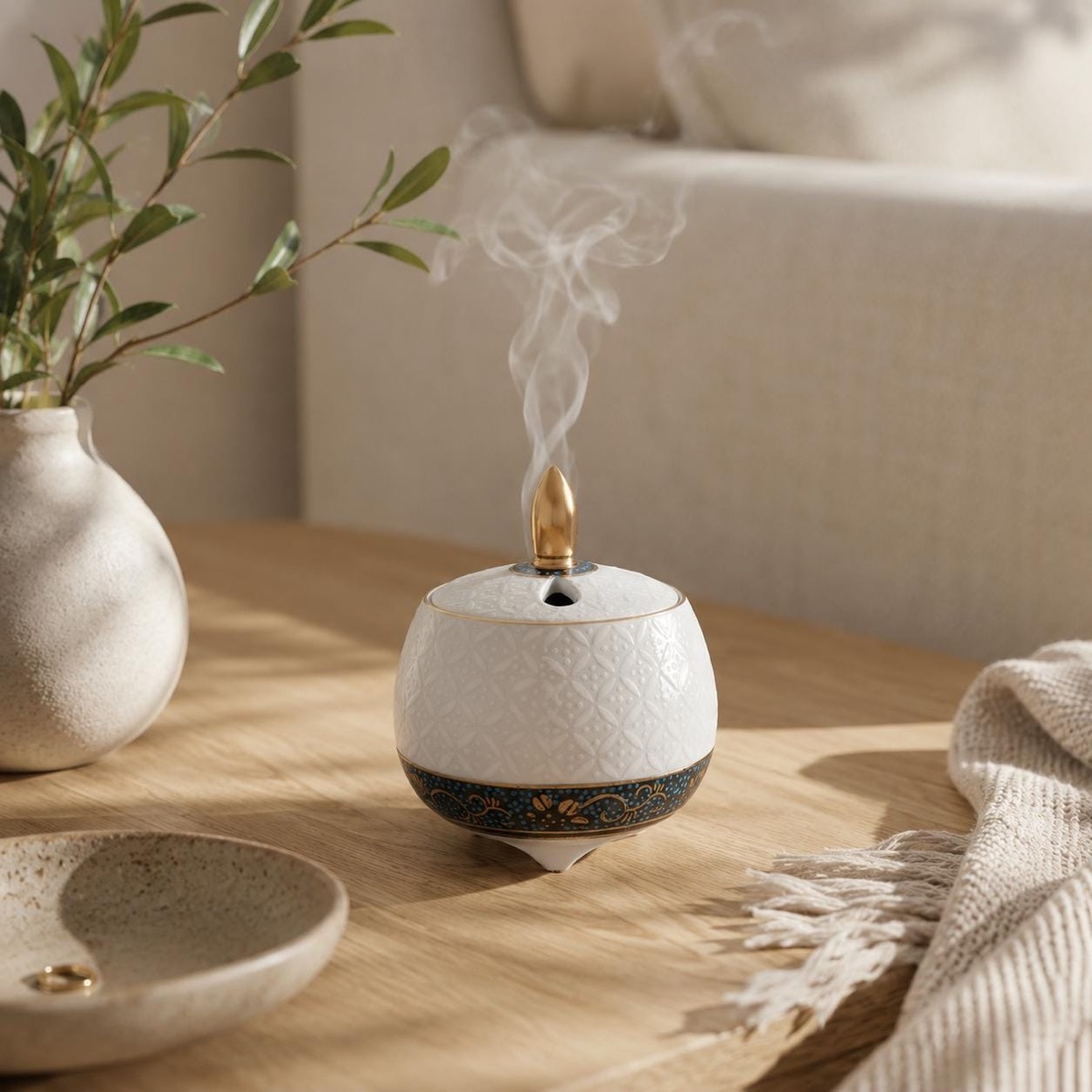
A Collector's Guide to Kutani Ware Incense Burners (Koro)
What a koro is, why Kutani porcelain matters, and how to choose and use a Japanese incense burner — a collector's guide from NeoiAtelier, Osaka.
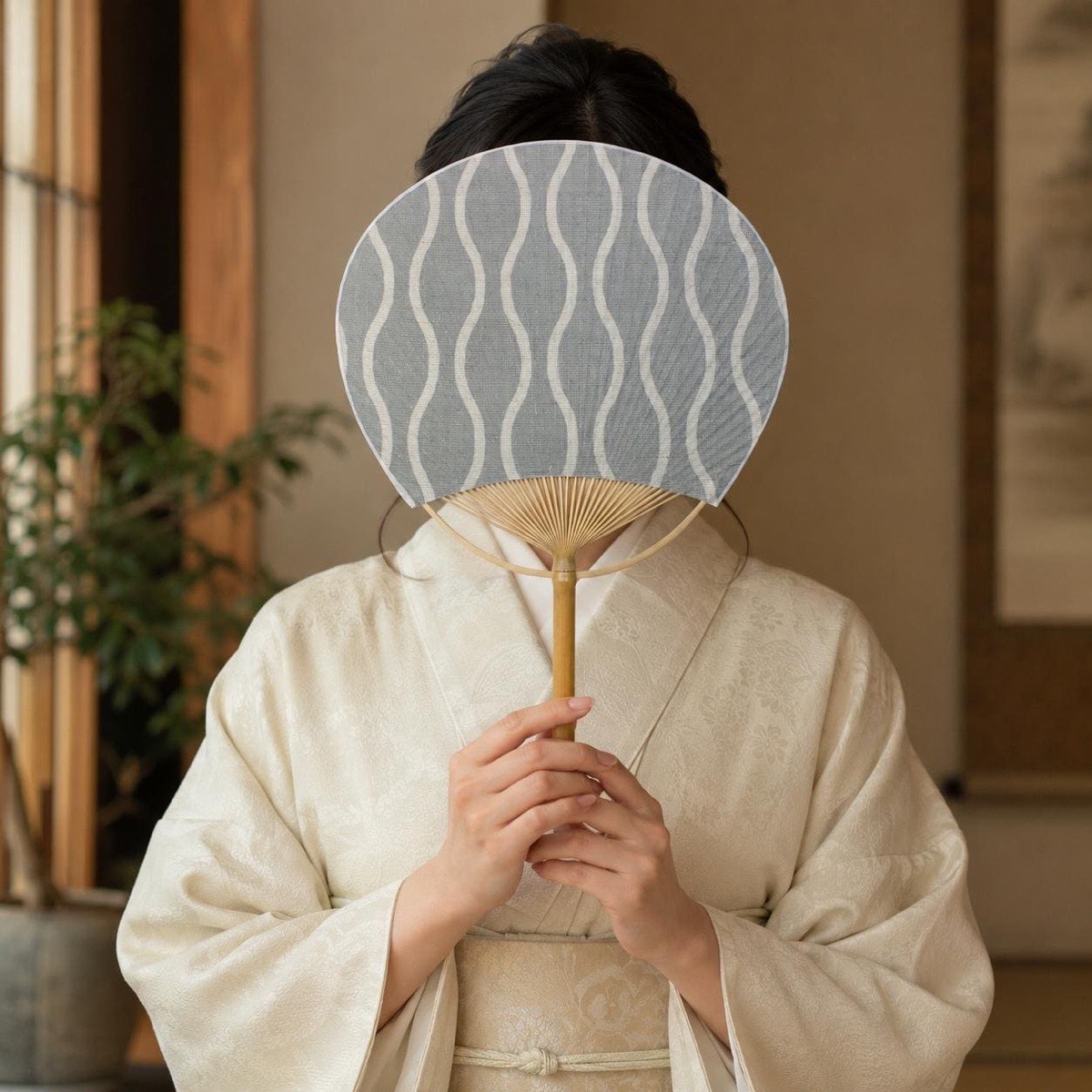
Uchiwa and Sensu: Japan's Two Traditional Hand Fans
The difference between uchiwa (rigid) and sensu (folding) Japanese fans, their history, and how to display them as wall art — by NeoiAtelier, Osaka.
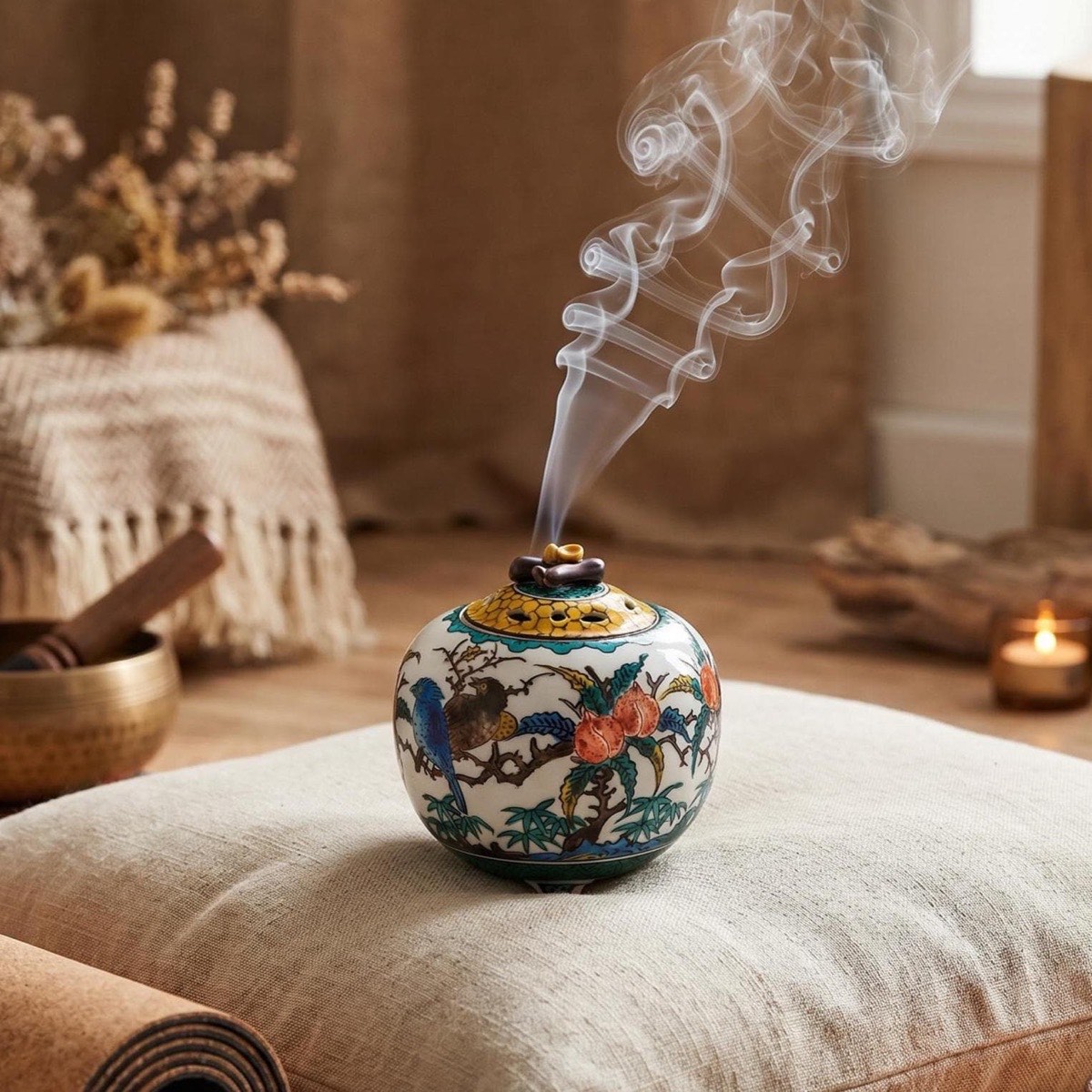
What Is a Koro? 15 Things to Know About Japanese Incense Burners
What a koro is, how to use one with ash, cones or sticks, what Kutani koro cost, and how to choose your first Japanese incense burner — answered by NeoiAtelier.
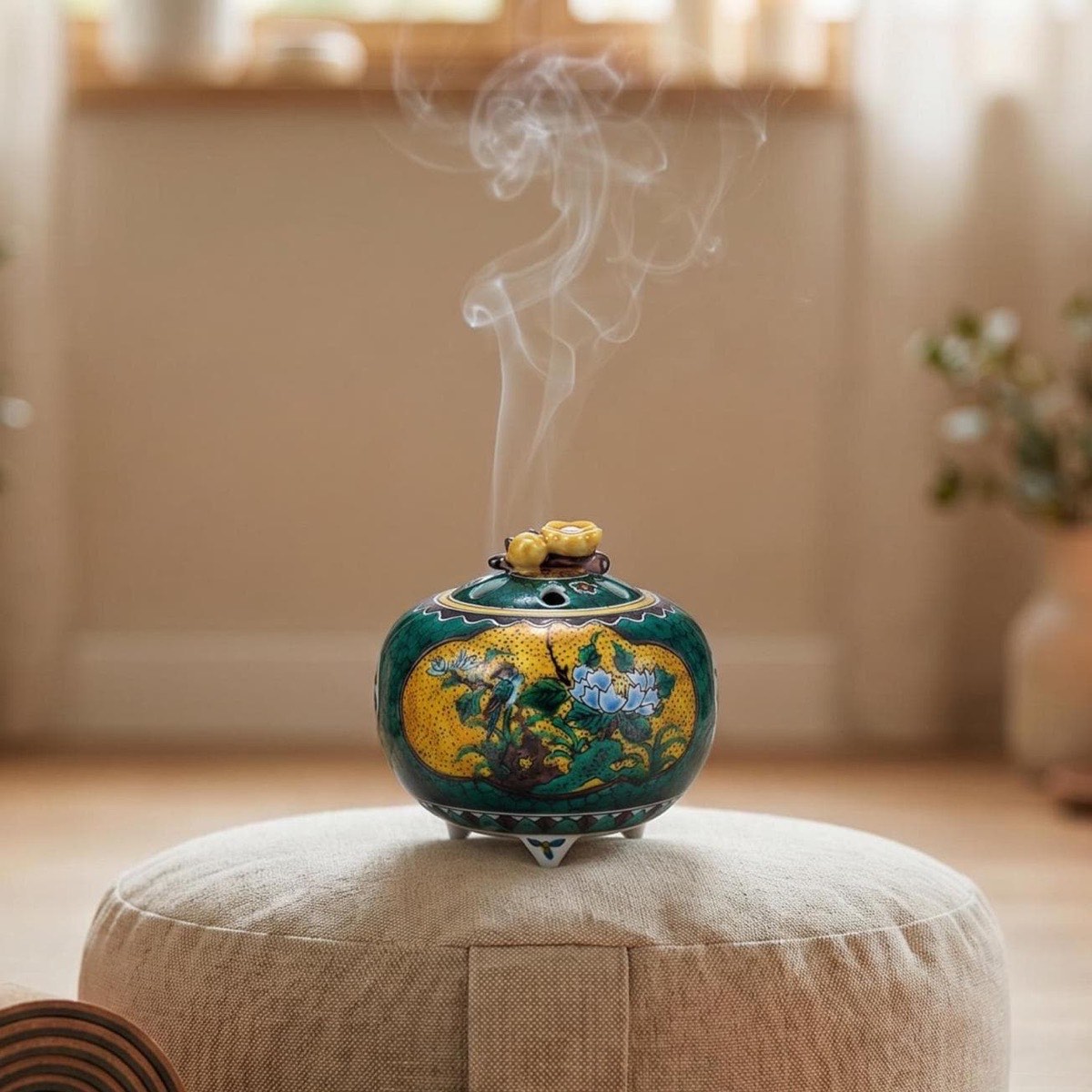
What Is Kutani Ware? A Guide to Japan's 360-Year-Old Painted Porcelain
The history, styles and five colors (gosai) of Kutani ware porcelain from Ishikawa, Japan — and how to recognize Ko-Kutani, Yoshidaya and Mokubei styles.
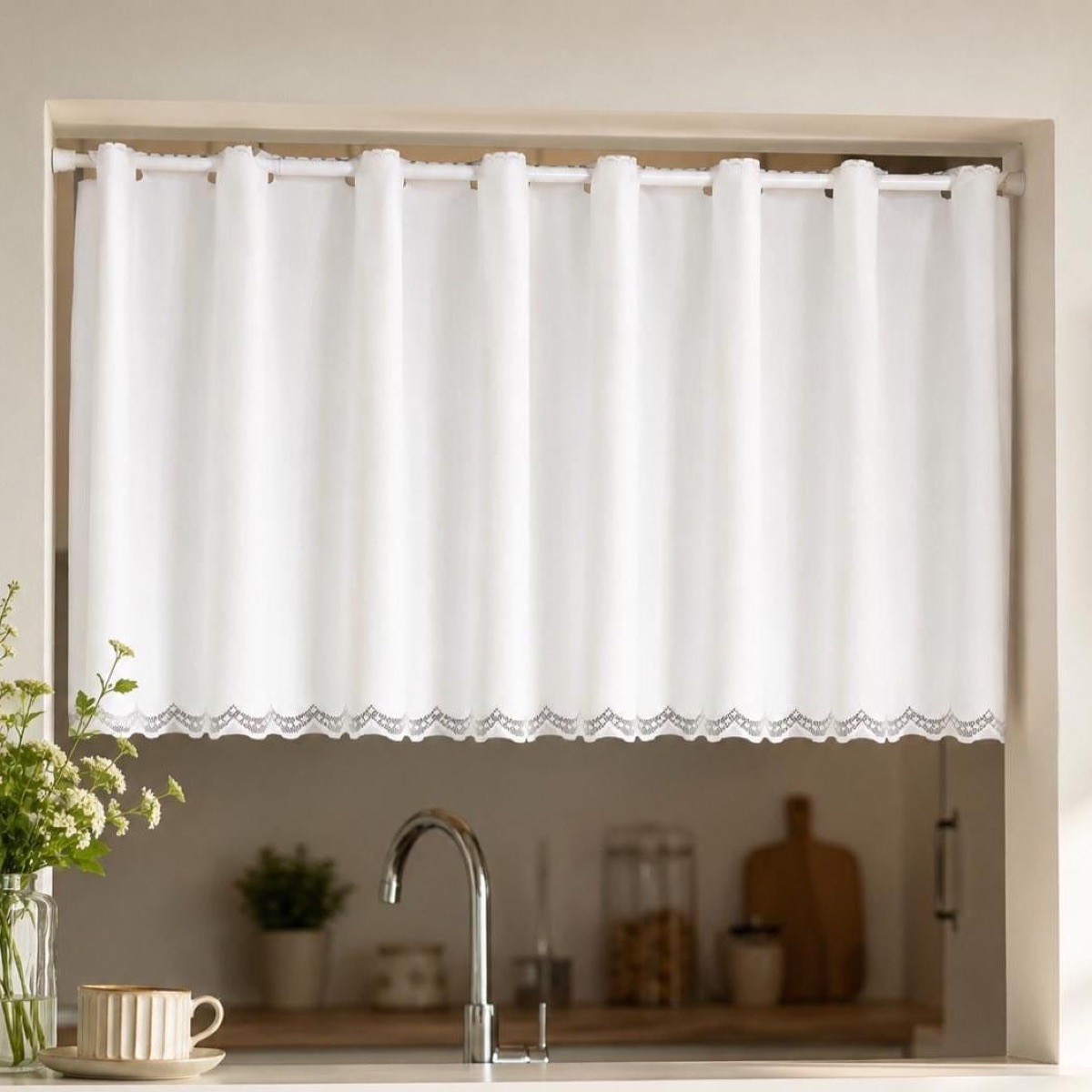
Best Japanese Gifts 2026: 18 Authentic Artisan Pieces (Koro, Noren & More)
The 18 best Japanese gifts of 2026, all genuinely made in Japan: Kutani koro incense burners, handwoven linen noren, uchiwa fans and more, from $66 to $550.